
Plants
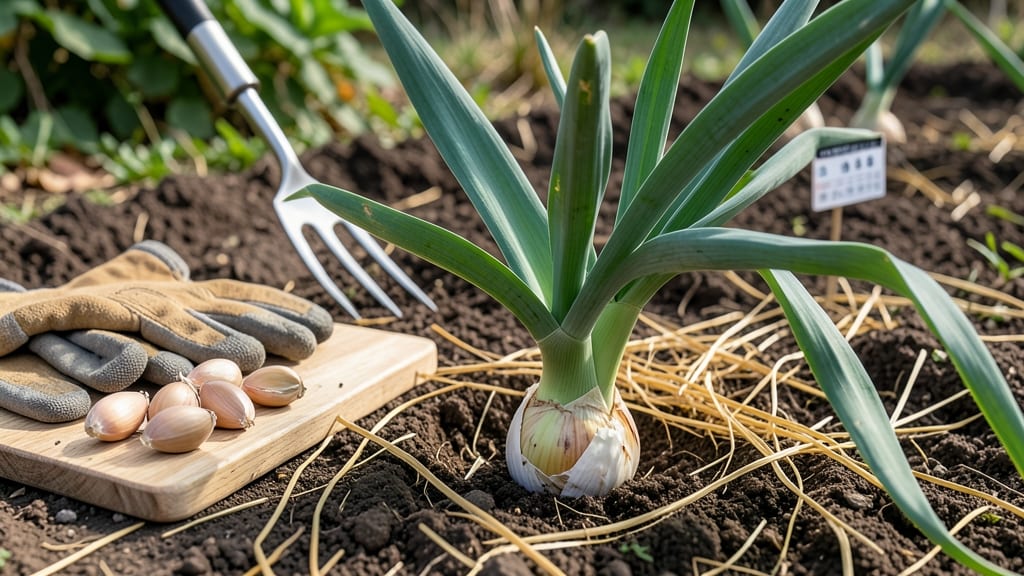
If you're planting garlic in Zone 4B, timing is the secret weapon between a disappointing harvest and a pantry full of plump bulbs. The best window is late fall—October to November—when soil temps drop but before the ground freezes solid.
This cold stratification trick forces your 🧄 cloves to root deeply, setting the stage for stronger plants and bigger yields next summer.
Why rush? Planting too early means your garlic might bolt (sprout prematurely) or rot in soggy soil, while waiting too long risks frozen cloves that refuse to grow.
The ideal moment is 4–6 weeks before your first frost, giving your garlic enough time to establish roots before winter settles in. For Zone 4B gardeners, that’s usually mid-October—but don’t stress if your schedule slips.
Hardneck varieties, the star of Zone 4B gardens, thrive with this fall timing, while softnecks (less common in cold climates) can sometimes handle early spring planting. But here’s the kicker: hardnecks need cold to form scapes and bulbs, so skipping fall means missing out on that signature crunchy, flavorful harvest.
Let’s break down exactly how to nail this window—and what to do if your season throws curveballs.
From soil prep to mulching for winter protection, I’ll walk you through every step to ensure your garlic survives the freeze and delivers next summer’s best crop.
Whether you’re a first-timer or a seasoned gardener, these tips will help you plant with confidence—and maybe even impress your neighbors with your garlic know-how.
Best planting months for hardneck garlic in zone 4B
In Zone 4B, the ideal window for planting hardneck garlic is between mid-October and early November. This timing ensures the cloves experience cold stratification—a natural process where garlic develops flavor and bulb size during winter's chill.
The 4-6 weeks before ground freeze rule is your golden benchmark, typically aligning with late October in most of Zone 4B.
Why this timing? Hardneck varieties (like 'German White' or 'Music') need winter's cold to trigger bulb formation.
Planting too early risks rot from excess moisture, while planting too late may not provide enough cold exposure for proper development. Zone 4B's average first frost (mid-April) and last frost (mid-October) create this perfect window.
Here's the science: Soil temperatures between 40-50°F (4-10°C) during the dormant period help garlic store energy for spring growth. In Zone 4B, this happens naturally between November and March.
If you miss the fall window, spring planting is possible but yields are 30-50% smaller due to lack of cold stratification.
🌱 Garlic Planting Comparison: Hardneck vs. Softneck in Zone 4B
| Factor | Hardneck Garlic | Softneck Garlic |
|---|---|---|
| Best Planting Time | Fall (Oct-Nov) | Spring (March-April) |
| Cold Requirement | Essential (40-50°F) | Not required |
| Yield Potential | High (large bulbs) | Moderate (smaller bulbs) |
| Harvest Time | Mid-summer (July-Aug) | Late summer (Aug-Sept) |
| Zone 4B Success Rate | 90-95% | 70-80% |
For Zone 4B gardeners, sticking to the fall schedule maximizes hardneck garlic's potential. The first frost date (around October 15th) signals your planting deadline. If your area gets frost earlier, adjust by planting 2-3 weeks sooner.
Use a soil thermometer to confirm temperatures are below 50°F (10°C)—this confirms your garlic is getting the cold it needs.
Pro Tip: Break garlic bulbs into individual cloves right before planting. Use the largest, firmest cloves for the best yields. The pointed end should face upward—this is where the shoot will emerge. Planting depth of 2 inches ensures proper insulation while allowing roots to establish.
Mulching after planting is non-negotiable in Zone 4B. Apply 4-6 inches of straw or leaves to insulate bulbs from extreme cold and prevent heaving (when soil freezes and pushes plants out).
This mulch layer also suppresses weeds and retains moisture during spring thaw. Remove it in early spring once new growth appears.
If you're new to garlic growing, test your soil pH before planting—aim for 6.0-7.0. Zone 4B soils often lean acidic, and garlic prefers slightly alkaline conditions. Amend with lime or wood ash if needed, but do this 4-6 weeks before planting to avoid burning cloves.
A simple $10 soil test kit from your local garden center is worth the investment.
Remember: Hardneck garlic planted in fall will produce scape shoots in late spring—the curly stems that appear above the leaves. These are edible and can be harvested (but not removed) to increase bulb size.
In Zone 4B, scapes typically appear in May or early June, signaling your garlic is thriving.
Best planting months for hardneck garlic in zone 4B
In Zone 4B, the ideal time to plant garlic is between mid-October and early November. This window ensures your cloves get the 4–6 weeks of cold they need before the ground freezes solid—a process called cold stratification.
Without this chill, your garlic may bolt (shoot up too fast) or produce weak bulbs. Think of it like giving your garlic a winter nap to wake up strong in spring.
For hardneck varieties (the best for Zone 4B), this fall timing is non-negotiable. Their bulbs form scapes and develop flavor during the cold months, while softneck varieties (less common in cold climates) can sometimes tolerate early spring planting—but they won’t taste as robust.
If you’re growing German White or Music, stick to the fall schedule for the best results.
The key is planting 4–6 weeks before your first hard frost. In Zone 4B, that’s usually mid-October, but check your local frost dates. Soil temps should be below 40°F but not frozen yet.
Use a soil thermometer if you’re unsure—your garlic cloves need to root before winter sets in.
🌱 Hardneck vs. Softneck Planting Comparison
| Factor | Hardneck (Zone 4B Ideal) | Softneck (Less Common) |
|---|---|---|
| Best Planting Time | Fall (Oct–Nov) | Fall or Early Spring |
| Cold Requirement | Essential (4–6 weeks) | Optional |
| Bulb Development | Scapes + flavor | Smaller, milder |
| Zone 4B Success Rate | 90%+ with proper timing | 50–70% (risk of bolting) |
If you miss the fall window, don’t panic—early spring planting (March) is your backup. However, spring-planted garlic in Zone 4B often produces smaller bulbs because it lacks the cold stratification. For the best results, prioritize fall planting and adjust your schedule based on your last frost date.
Pro tip: Mark your calendar for 6 weeks before frost—that’s your garlic’s sweet spot.
Once planted, mulch heavily with straw or leaves to insulate the soil. This protects your cloves from freezing and keeps them cozy until spring. In Zone 4B, where winters can be harsh, this step is critical for survival.
Skip the mulch, and you risk frozen cloves that won’t sprout—or worse, rot in soggy soil.
Remember, garlic is a perennial crop in Zone 4B, meaning it can come back year after year if cared for properly. But the first year sets the stage for everything. Plant at the right time, and you’ll reward yourself with juicy, flavorful bulbs next summer—worth every minute of planning!