
Plants
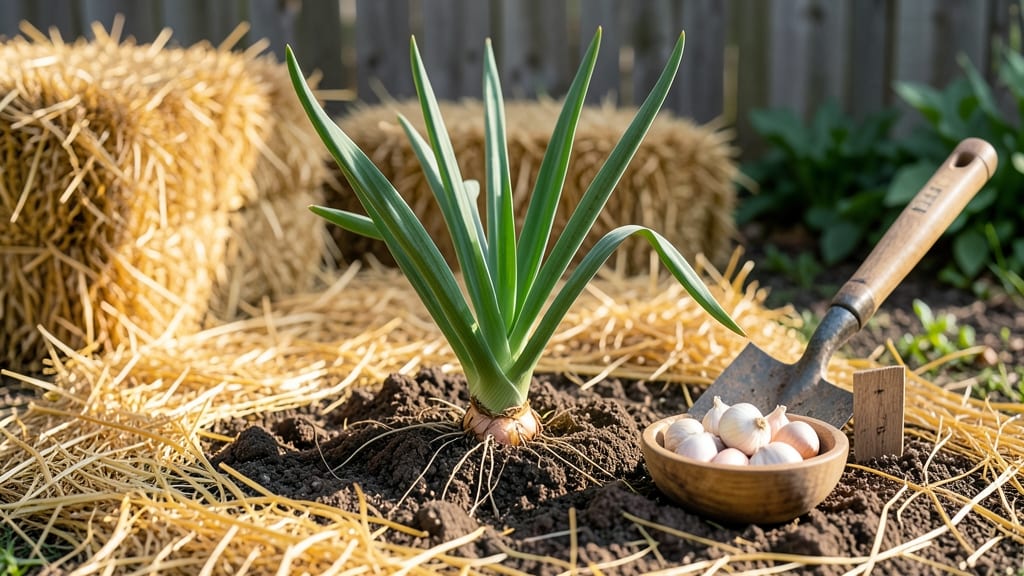
If you're growing 🧄 garlic in Zone 5a, timing your planting could mean the difference between a thriving harvest and wasted effort. The key to success lies in understanding when soil temperatures drop just enough to trigger root growth—but not so much that frost ruins your crop.
Most gardeners in Zone 5a swear by fall planting, but there’s more to it than just picking a month. Soil temperatures between 40-50°F are ideal for garlic to establish roots before winter sets in.
Plant too early, and you risk frost damage; too late, and your bulbs won’t mature in time for next summer’s harvest.
In this guide, I’ll break down the exact window for planting 🧄 garlic in Zone 5a, including how to use soil temperature tricks to give your crop a fast start.
Whether you’re a beginner or a seasoned gardener, these tips will help you avoid common mistakes and maximize your yield.
Ready to grow bigger, healthier garlic bulbs? Let’s dive into the best planting strategies tailored for your climate—so you can enjoy a bountiful harvest come July or August.
Optimal planting windows for garlic in Zone 5a based on soil temperature
In Zone 5a, garlic thrives when planted during the fall season, specifically between October and November. This timing allows the bulbs to establish strong roots before winter dormancy. The key is planting when soil temperatures drop to between 40-50°F—this triggers root growth while avoiding early frost damage.
Fall planting gives garlic a 6-8 month growing season, ensuring bulbs mature by mid-summer. If you miss this window, spring planting is possible but yields are typically smaller.
The last frost date in Zone 5a (around mid-November) sets your deadline—plant 4-6 weeks before to give roots time to anchor.
Northern areas of Zone 5a (e.g., Minnesota, Maine) have earlier frosts, so aim for early October planting. Southern regions (e.g., Ohio, Pennsylvania) can plant until mid-November. A soil thermometer is your best tool—plant when temps consistently hover around 50°F.
| Planting Window | Soil Temp | Zone 5a Region | Key Action |
|---|---|---|---|
| Early October | 40-45°F | Northern Zone 5a | Plant cloves 2" deep |
| Mid-October | 45-50°F | Central Zone 5a | Add 4" mulch |
| Late November | 35-40°F | Southern Zone 5a | Cover with straw |
| Spring (March) | 45-50°F | All regions | Smaller bulbs expected |
Spring planting in Zone 5a is not ideal but works if you're late. Plant in early March when soil reaches 45°F, but expect 50% smaller bulbs compared to fall planting. The trade-off? No winter prep needed—just direct sow after the last frost threat passes.
For precision, use a soil thermometer to confirm temps. Dig 2" deep and check readings at 10 AM for accuracy. If temps fluctuate above 50°F during the day, delay planting by 1-2 weeks to avoid early sprouting before roots establish.
Hardneck varieties like 'German White' or 'Music' are best for Zone 5a—they handle cold well and produce scapes (edible stems) in summer. Softneck types ('Silverskin') struggle in harsh winters but store longer. Choose based on your climate's coldest month—northern areas favor hardnecks.
Mulching is critical in Zone 5a. Apply 4-6 inches of straw or leaves after planting to insulate bulbs through winter. Remove mulch in early spring (March) to prevent rot. This simple step can double your yield by protecting roots from freeze-thaw cycles.
Remember: Garlic is a cool-season crop. It grows best when days are short and nights are cold. Planting too late in fall or too early in spring disrupts this cycle, leading to poor bulb formation. Use local frost date maps to refine your timing—every week counts!
🌱
Optimal planting windows for garlic in Zone 5a based on soil temperature
In Zone 5a, the ideal planting window for 🧄 garlic hinges on soil temperatures between 40-50°F. This range triggers root growth while avoiding frost damage. Most gardeners here plant in late September to November, but exact timing depends on your sub-region within Zone 5a.
Northern areas of Zone 5a (like Minnesota or Maine) should plant by early October to ensure roots establish before hard frost. Southern areas (like Pennsylvania or Virginia) can extend planting until mid-November, as milder winters allow for later root development.
Spring planting is possible but risky—only attempt it if you’re in a warmer microclimate and plant by early March. Spring garlic rarely reaches the same size as fall-planted varieties, but it’s a backup option for forgotten fall plantings.
🌱 Pro Tip: Use a soil thermometer to confirm temperatures. Aim for 50°F at a 4-inch depth—this is your cue to plant.
| Planting Window | Soil Temp | Zone 5a Region | Notes |
|---|---|---|---|
| Late September | 50°F+ | Northern Zone 5a | Best for early root start |
| October | 45-50°F | Central Zone 5a | Ideal for most gardeners |
| November (early) | 40-45°F | Southern Zone 5a | Riskier but possible |
| Early March | 45°F+ | All (backup) | Smaller bulbs expected |
If you miss the fall window, don’t panic—spring planting still works, but expect smaller bulbs. The key is to plant 6-8 weeks before your last frost date, which in Zone 5a is typically mid-May. This gives garlic enough time to mature before summer heat sets in.
For hardneck varieties (like Rocky Mountain or Silverskin), fall planting is non-negotiable—they need cold exposure to form bulbs. Softneck varieties (like Artichoke) are slightly more flexible but still thrive with fall planting.
🌡️ Remember: Soil temperature is more critical than air temperature. A soil thermometer is your best friend—it tells you exactly when conditions are right for planting.