
Plants
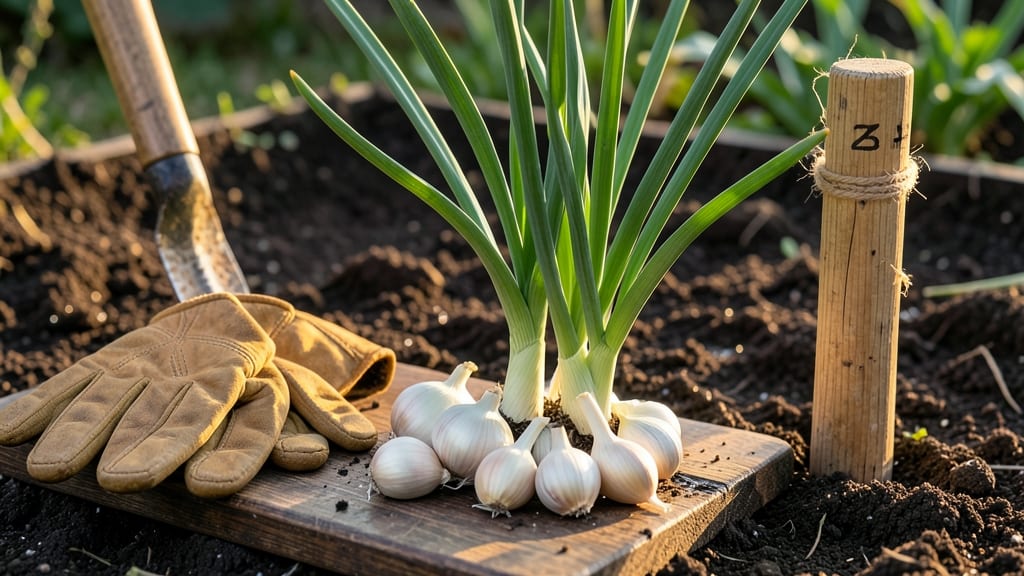
Timing your garlic bulbs planting in Zone 5 can make or break your harvest—especially for hardneck varieties that thrive in cold climates. Plant too early, and you risk rot; too late, and your 🧄 might not establish strong roots before winter.
The sweet spot? Aim for October to early November, when soil temps hover around 40-50°F—this gives roots time to anchor before the ground freezes.
Why fall? Garlic needs cold exposure to develop those prized hardneck stalks, but it also needs time to root before winter sets in. In Zone 5, where first frosts hit around mid-November, planting 4-6 weeks before freezing is key.
This window ensures your cloves get the chill they crave without succumbing to soggy soil or early frost damage.
Here’s the game-changer: hardneck garlic (the type best suited for Zone 5) grows best when planted in fall, not spring. While spring planting works in warmer zones, Zone 5’s shorter growing season demands the head start that fall planting provides.
Think of it like prepping for a marathon—you wouldn’t start training the day before the race, right?
Once you’ve nailed the timing, the rest is about spacing (4-6 inches apart) and depth (2 inches deep), plus a thick layer of mulch to insulate through winter.
Let’s break down exactly how to turn your fall planting into a bountiful summer harvest—no guesswork, just proven tips for Zone 5 gardeners.
Optimal fall planting dates for Zone 5 garlic bulbs
If you're growing hardneck garlic in Zone 5, timing is everything. Planting too early or too late can stunt growth or even kill your bulbs before they mature. The key is to plant when soil temperatures drop below 70°F but before the ground freezes solid.
This window typically falls between mid-October and mid-November in most of Zone 5.
For example, in Chicago, aim for planting between October 15 and November 1. Meanwhile, in Pittsburgh, you might push it slightly later, around October 25 to November 10. The exact date depends on your local frost dates and how quickly your soil cools.
Here’s the golden rule: Plant 4-6 weeks before the ground freezes. This gives your garlic enough time to establish roots before winter dormancy sets in. If you miss this window, don’t worry—spring planting is possible, but yields will be smaller, and bulbs may not store as well.
| Stage | Action | Key Details |
|---|---|---|
| Soil Prep | Loosen soil | 6-8 inches deep; add compost |
| Planting Window | Mid-October to mid-November | 4-6 weeks before frost |
| Planting Depth | 2 inches | Pointy end up, roots down |
| Spacing | 4-6 inches apart | Rows 12 inches apart |
| Mulching | Apply after planting | 4-6 inches of straw |
| Winter Care | Check mulch | Add more if exposed |
One common mistake is planting garlic too early in September. While soil may still be warm, this can cause the cloves to sprout prematurely, making them vulnerable to frost damage. Conversely, planting in December leaves little time for root establishment before winter.
To check if your soil is ready, insert a thermometer into the ground. Aim for temperatures between 40°F and 50°F. If it’s warmer, wait a few days. If it’s colder, you’ve missed the window for fall planting.
Pro tip: Use a soil thermometer or check local USDA frost dates for your specific area. Many Zone 5 gardeners also plant garlic on a crescent moon for better root development, though this is more folklore than science.
After planting, cover the bed with 4-6 inches of straw mulch. This insulates the soil, protects cloves from freezing, and suppresses weeds. In early spring, remove half the mulch to allow shoots to emerge, then replace it once the garlic is actively growing.
Remember, hardneck garlic thrives in cold climates like Zone 5, but it needs time to adapt. By planting in the optimal window, you’re setting the stage for large, flavorful bulbs ready for harvest the following summer.
If you’re unsure about your local frost dates, check with your Cooperative Extension Service or use online tools like the National Gardening Association’s frost calculator. With the right timing, your Zone 5 garlic harvest could be the best yet!
Optimal fall planting dates for Zone 5 garlic bulbs
Getting the timing right for garlic planting in Zone 5 is everything—especially when you’re growing hardneck varieties that rely on cold winters. The ideal window is 4-6 weeks before your first hard frost, which in most of Zone 5 lands between mid-October and early November.
This gives your cloves time to root deeply before the ground freezes solid, setting them up for a robust harvest the following summer.
Think of it like scheduling a hibernation prep for your garlic. Too early (like September), and you risk rot from excess moisture or weak root development. Too late (December or later), and your plants won’t establish before winter dormancy kicks in.
The 40-50°F soil temperature sweet spot signals it’s time to plant—use a soil thermometer if you’re unsure.
🌱 Zone 5 Garlic Planting Timeline
| Stage | Action | Soil Temp |
|---|---|---|
| Soil Prep | Loosen soil, add compost | 50-60°F |
| Planting Window | Mid-October to early November | 40-50°F |
| Mulching | Apply 4-6" straw mulch | Below 32°F |
| Winter Care | Check mulch depth | Varies |
| Spring Growth | Remove mulch, fertilize lightly | 40°F+ |
⏰ Pro Tip: Use your average first frost date (Zone 5: ~Nov 15) as your deadline—count back 6 weeks!
If you’re in the northern edge of Zone 5 (like Minnesota or Upstate New York), aim for late September to mid-October—your ground freezes earlier.
Conversely, southern Zone 5 (like parts of Virginia or Missouri) can stretch planting into early December, but don’t push it past December 1 or risk poor root establishment.
One common mistake is assuming all garlic is created equal. While softneck varieties (like Silverskin) can sometimes tolerate spring planting, hardneck garlic (your Zone 5 superstar) requires fall planting for those prized hardnecks and robust bulbs.
If you plant in spring, you’ll miss the cold stratification that triggers hardneck development—and end up with weaker, less flavorful cloves.
For extra insurance, test your soil’s drainage before planting. Garlic hates soggy roots, so amend heavy clay with compost or sand if needed. Once planted, mulch heavily (4-6 inches of straw) to protect from freeze-thaw cycles and keep soil temps stable.
This simple step can mean the difference between survival and thriving through Zone 5’s harsh winters.
Remember: Patience is key. Your garlic won’t emerge until spring, but those 6-8 weeks of fall root growth are what fuel a bountiful harvest 8-10 months later. Mark your calendar now—mid-October is your target—and get ready to celebrate those plump, papery-skinned bulbs next summer!