
Planting
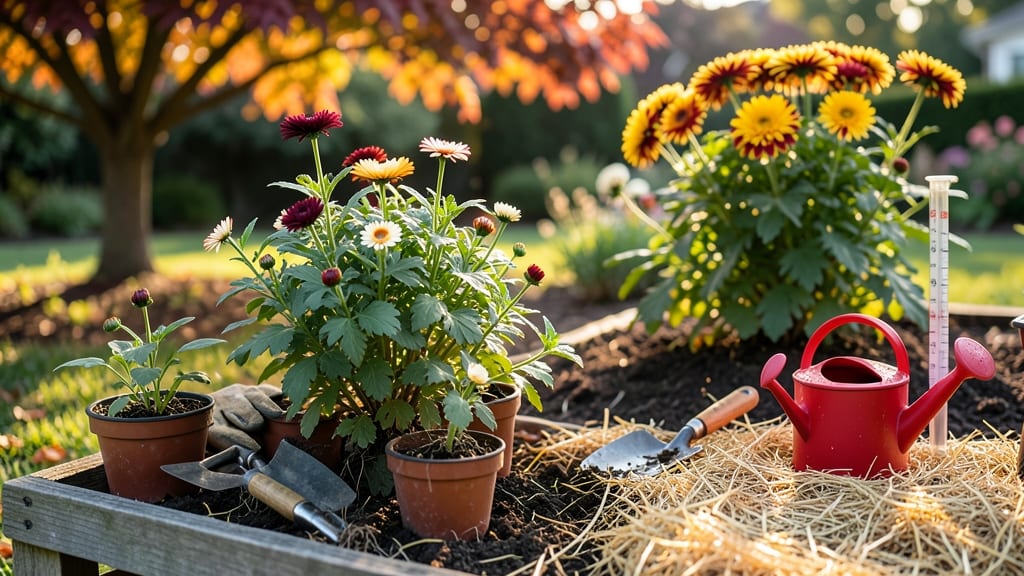
If you’ve ever wondered when can I plant mums in the ground too early or too late and ended up with half-hearted blooms—or worse, frost damage—you’re not alone. The difference between a showstopping fall display and a sad, wilted disappointment often comes down to one key factor: timing.
Planting these hardy flowers at the right moment ensures they’ll thrive, not just survive, as the cooler months roll in.
For gardeners in USDA Zone 6a (like many in the Midwest and Northeast), the ideal window is late summer to early fall, specifically 4-6 weeks before your first frost. This gives the roots time to establish while still allowing plenty of daylight for vibrant blooms.
Miss this window, and you might end up with leggy stems or flowers that never fully open.
But here’s the thing: not all mums are created equal. Some varieties bloom earlier, while others need that extra push to shine by October. I’ll walk you through exactly what to look for—so you can skip the guesswork and plant with confidence.
Whether you’re a seasoned gardener or just starting, these tips will help you grow mums that steal the show.
Ready to transform your garden into a fall color spectacle? Let’s dive into the exact steps to plant mums for maximum impact—without the stress. You’ll learn how to prep your soil, choose the right varieties, and avoid common pitfalls that ruin blooms before they even begin.
Exact weeks before frost to plant mums for maximum blooms
Timing your mum planting is everything—plant too early, and they’ll bolt in summer heat; too late, and frost steals their showstopping blooms. The golden window is 4-6 weeks before your first frost date, giving roots time to establish while still producing vibrant fall color.
For most of the U.S., this means late July to early September, but your exact timing depends on your USDA hardiness zone and local climate.
For example, in Zone 5 (where frosts arrive by mid-October), aim to plant mums by early September. In Zone 8 (with later frosts), you can extend planting until mid-October.
The key is ensuring 60-90 days of warm weather after planting so roots anchor before temperatures dip below 20°F (-6°C). This balance lets mums thrive without risking winter damage.
Soil temperature matters just as much as air temperature. Mums prefer soil that’s at least 60°F (15°C) at planting time—warmer than that, and roots may struggle to absorb moisture. Test your soil with a soil thermometer (available at garden centers) to confirm readiness.
If your soil runs cooler, wait a few days or plant in a slightly raised bed to warm it faster.
Pro tip: Use your average first frost date as your starting point. Find it via the USDA Plant Hardiness Zone Map or local weather stations. Then, count backward 4-6 weeks.
For instance, if frost hits October 15th, plant between September 1st and 15th for peak blooms. This method works for both garden-grown mums and container plants you’re transplanting.
🌼 Mum Planting Timeline by USDA Zone
| USDA Zone | First Frost Date | Ideal Planting Window | Soil Temp Goal |
|---|---|---|---|
| 3-4 | Mid-September | Late July | 60°F (15°C) |
| 5-6 | Early October | Early September | 60°F (15°C) |
| 7-8 | Mid-November | Late September | 65°F (18°C) |
| 9-10 | January | October-November | 70°F (21°C) |
*Adjust dates 1-2 weeks earlier in high-altitude areas or cooler microclimates.
Why does this timing work? Mums are short-day plants, meaning they bloom in response to shorter daylight hours in fall. Planting too early (e.g., June) triggers summer blooming, which exhausts the plant before frost.
Planting too late (e.g., October) leaves roots underdeveloped, making them vulnerable to cold. The 4-6 week window ensures roots establish while still benefiting from summer warmth to fuel fall blooms.
For extended color, consider planting two batches: one in early August for late-season blooms and another in September for early fall color. This staggered approach creates a nonstop floral display from September through November.
Just be sure to space them 12-18 inches apart to prevent competition for nutrients.
If you’re in a warm climate (Zones 9-10), where frosts are rare or late, plant mums in early fall (September-October) to avoid summer heat stress. In these regions, mums may even rebloom in spring if given proper care.
However, most gardeners focus on fall color, so timing aligns with cooler weather.
One final tip: If your area experiences unpredictable frosts, opt for hardy mum varieties like ‘Autumn Joy’ or ‘Painted Lady,’ which tolerate brief cold snaps better than tender types. Pair them with a light mulch (2-3 inches of straw) to insulate roots if early frosts threaten.
Remember, the goal is bold, long-lasting blooms—not just survival. By planting mums in this precise window, you’ll enjoy weeks of vibrant color that brightens your garden and neighborhood alike. 🌼
How to prepare soil and choose mum varieties for faster establishment
Preparing your soil properly is the foundation for healthy mum growth and vibrant fall blooms. Mums thrive in well-draining, slightly acidic soil with a pH between 6.0 and 6.5.
Before planting, mix in 2-3 inches of compost or aged manure to enrich the soil with nutrients. This helps roots establish quickly, especially when planted 4-6 weeks before frost.
If your soil is heavy clay, amend it with sand or perlite to improve drainage. Mums hate soggy roots, which can lead to root rot and stunted growth. Test your soil’s moisture retention by squeezing a handful—it should crumble easily, not stick together.
A quick soil test kit (available at garden centers) can confirm pH levels and nutrient balance.