
Plants
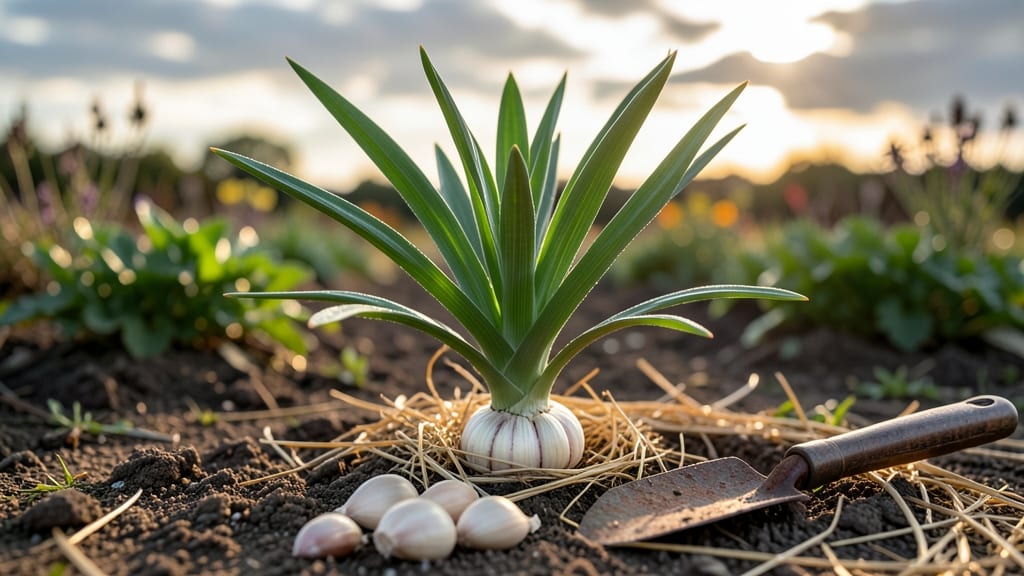
If you've ever planted 🧄 garlic in Zone 10 only to watch it bolt prematurely or struggle in the heat, you're not alone. The key to growing plump, flavorful bulbs here lies in understanding that Zone 10's mild winters and warm soils demand a different approach than colder climates.
Most gardeners assume garlic needs cold dormancy, but in Zone 10 (California coastal, mild winter), the perfect planting window shifts to fall—specifically October through December. This timing gives your garlic the cooler temperatures it needs to establish strong roots before summer heat arrives.
I'll walk you through exactly when to plant, how to prep your soil, and the critical fall prep steps that prevent bolting. Whether you're a coastal gardener in San Diego or inland near Palm Springs, these insights will help you avoid common mistakes and grow garlic that rivals commercial quality.
Ready to transform your garlic harvest? Let's dive into the timing and techniques that work specifically for Zone 10's unique climate—where the secret isn't just when to plant, but how to protect your crop from the heat that follows.
Optimal planting window for Zone 10 garlic: month-by-month breakdown
Zone 10’s mild winters and warm soils create unique challenges for garlic growers. Unlike colder climates, your garlic won’t experience natural dormancy from frost, so precise timing is critical to prevent bolting (premature flowering) and ensure bulbs mature properly.
The ideal window spans September through December, but regional microclimates—like coastal San Diego vs. inland Palm Springs—demand adjustments.
For hardneck varieties, aim to plant between mid-October and November when soil temps drop to 50–60°F.
This mimics the cold period garlic needs to form bulbs. Softneck varieties, like 'Silverskin,' are more flexible and can handle planting as late as early December, but they’ll mature slower in Zone 10’s heat.
🌱
Zone 10 Garlic Planting Timeline
| Month | Soil Temp | Hardneck Varieties | Softneck Varieties | Notes |
|---|---|---|---|---|
| September | 70–80°F | Early planting (coastal areas) | Possible (shade cloth required) | High bolting risk; use shade |
| October | 60–70°F | Ideal window (best results) | Optimal timing | Soil temps drop below 70°F |
| November | 50–60°F | Last chance for hardnecks | Still safe | Cooler inland areas preferred |
| December | 45–55°F | Risky (slow growth) | Last resort | Use thick mulch (6+ inches) |
| January | 50–60°F | Not recommended | Possible (smaller bulbs) | Heat stress likely by spring |
In coastal areas like San Diego, where winters are milder and wetter, you can push planting to late October or early November. The ocean’s moderating effect keeps soil temps cooler longer.
Conversely, inland desert regions (e.g., Palm Springs) may need to plant earlier in October to avoid winter rains that can cause rot or fungal issues.
Pro tip: Use a soil thermometer to confirm temps. Garlic cloves need 4–6 weeks of soil temps below 70°F to establish roots before spring heat arrives. If your soil stays warm, shade cloth (30–50%) can help mimic cooler conditions.
🌡️
For overwintering success, prioritize well-draining soil and 4–6 inches of mulch (straw or wood chips) to insulate bulbs. In Zone 10, garlic won’t experience the cold shock that triggers bulb formation in colder zones, so you’ll rely on consistent moisture and gradual temperature shifts to coax those plump cloves.
💧
Harvest timing in Zone 10 runs June through July, about 8–10 months after planting. The key is to watch for lower leaves turning yellow while the bulbs remain firm—don’t wait until the tops flop!
In the heat, bulbs can split or shrivel if left too long, so stay vigilant.
Optimal planting window for Zone 10 garlic: month-by-month breakdown
Zone 10’s mild winters mean traditional garlic planting advice doesn’t apply—no freezing dormancy here! Instead, aim for fall planting between October and December when soil temps drop to 50–60°F. This mimics cooler climates’ dormancy period, preventing premature bolting (when garlic flowers too early).
Coastal areas like San Diego can plant as late as mid-December, while inland Palm Springs should plant by early November to avoid summer heat stress. Hardneck varieties (like 'California Early') tolerate slightly warmer soils, while softnecks (like 'Artichoke') need cooler temps.
| Month | Soil Temp (°F) | Ideal Planting Time | Notes |
|---|---|---|---|
| September | 65–75°F | Early September (coastal only) | Risk of bolting; best for high-elevation Zone 10 |
| October | 60–70°F | Best window for all Zone 10 | Soil cools enough to prevent bolting |
| November | 55–65°F | Ideal for inland areas | Lower bolting risk; plant before rains |
| December | 50–60°F | Last chance for coastal zones | Use shade cloth if temps rise above 65°F |
If you miss fall, January planting is a secondary option, but bulbs may mature smaller and less flavorful. Always test soil moisture before planting—Zone 10’s dry winters can stress garlic. Use a moisture meter or dig down 2 inches to check for dampness.
Pro tip: Plant cloves pointy-end up, 2–4 inches deep, and 4–6 inches apart in rows. This spacing prevents crowding and fungal diseases common in Zone 10’s humid winters. Hardneck varieties need slightly more space (6 inches) for their larger bulbs.
After planting, mulch heavily (4–6 inches of straw or leaves) to insulate roots and retain moisture. This is critical in inland Zone 10, where daytime temps can spike even in winter. Coastal areas benefit from mulch too, but may need less depth due to milder nights.
Remember: Zone 10 garlic matures in 270–300 days, so fall-planted cloves will be ready for harvest in late June to July. Mark your calendar now to avoid missing the window! 🌱