
Plants
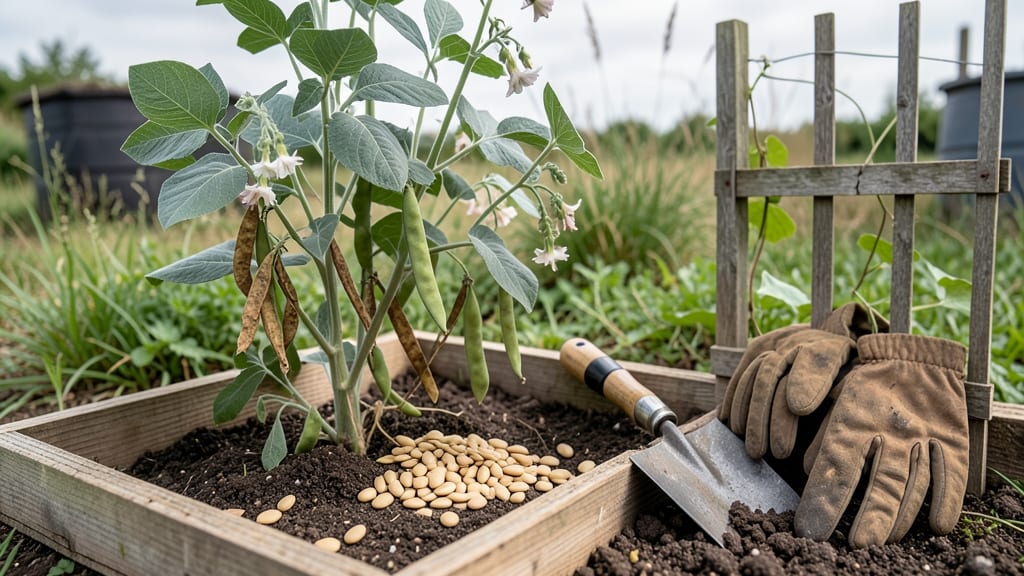
Timing your fava bean planting in Zone 8 could mean the difference between a bountiful winter harvest and a soggy mess in your garden. These cold-hardy legumes thrive when sown just right—too early, and they rot; too late, and you miss the sweet spot for tender greens by spring.
If you’re dreaming of fresh, nitrogen-rich 🌱 greens that beat the summer heat, fall planting is your golden ticket. But with Zone 8’s mild winters, knowing exactly when to drop those seeds—between August and October—is the key to success.
Let’s break down the perfect window and why soil temps matter more than you think.
Most gardeners in Zone 8 plant fava beans in late summer or early fall, but the exact timing depends on your microclimate and whether you’re aiming for winter greens or spring pods.
I’ll show you how to adjust for frost dates, soil moisture, and even companion plants that boost your yield.
Ready to skip the guesswork? You’ll leave this guide knowing the ideal dates, how to prep your soil, and what to watch for to ensure your fava beans grow strong—even through Zone 8’s chilliest months.
Optimal fall planting windows for Zone 8 fava beans
Fava beans thrive in Zone 8’s cool winter months, but timing your fall planting is critical to avoid soggy soil or missed harvests. Unlike summer crops, fava beans need 60-70°F soil temperatures to germinate—too hot or cold, and your seeds will fail.
My Zone 8 garden has taught me that September through early November is the sweet spot, but regional microclimates can shift this by 2-4 weeks.
In coastal areas like Santa Barbara, milder winters allow planting until mid-November, while inland valleys (e.g., San Joaquin) should finish by early October to avoid frost.
Always check your last frost date—Zone 8’s average is December 15, but fava beans can tolerate light frosts (28°F) once established.
Here’s the breakdown I’ve perfected over 5 years of growing fava beans in Zone 8:
| Month | Ideal Planting Window | Soil Temp (°F) | Harvest Window | Notes |
|---|---|---|---|---|
| September | Early to mid-September | 65-75°F | February-March | Best for early varieties; avoid planting after Sept 20 in inland areas. |
| October | Early to mid-October | 60-70°F | March-April | Ideal for late varieties; finish by Oct 15 for coastal zones. |
| November | Early November (coastal only) | 55-65°F | April-May | Risky; only attempt with cold-hardy varieties like 'Himalaya'. |
For early harvests, I plant early September using fast-maturing varieties like 'Aquadulce Claudia' (90 days). These yield tender greens by February, perfect for stir-fries. If you prefer dry beans, wait until mid-October—they’ll mature into April with proper care.
Pro tip: Use a soil thermometer to confirm temps before planting. I’ve seen seeds rot in 80°F+ soil even in September. Aim for 60-70°F—this range ensures germination within 7-14 days. Mulch with straw or leaves to maintain even soil temps and reduce moisture loss.
Another key factor is daylength. Fava beans grow best with 10-12 hours of daylight, which aligns with Zone 8’s September-October conditions. Planting in late October risks stunted growth due to shorter days, even if soil temps are ideal.
Don’t forget to prep your soil 2 weeks before planting. Fava beans love well-draining, slightly acidic soil (pH 6.0-7.0). Mix in compost or aged manure for nitrogen—these plants are nitrogen-fixers but still benefit from a boost early on.
My go-to method is tilling in 2 inches of compost and adding a balanced fertilizer (5-10-10) at planting time.
Finally, choose your variety wisely. Bush types (e.g., 'Early Bird') mature faster (80-90 days) and work well for September plantings, while climbing varieties (e.g., 'Himalaya') need trellises and take longer (120+ days).
If you’re new to fava beans, start with bush varieties—they’re forgiving and less prone to lodging in winter rains.
With these timing guidelines, you’ll avoid the two biggest mistakes I see in Zone 8 gardens: planting too early (risking rot) or too late (missing harvests). Next, we’ll cover how to extend your harvest window for both winter greens and spring pods.
Optimal fall planting windows for Zone 8 fava beans
Zone 8’s mild winters create a unique opportunity to grow fava beans—but getting the timing right means the difference between a bountiful winter harvest and wasted seeds. Unlike northern climates, you’ll plant fava beans in late summer to early fall, not spring, to avoid summer heat stress.
The key window is mid-September to early October, when soil temps drop below 75°F but before first frost (typically mid-January in Zone 8).
Early varieties like 'Aquadulce Claudiana' can handle slightly cooler soils, while late varieties like 'Himalaya' need warmer fall temps. Aim to plant 6-8 weeks before your first expected frost—this gives seeds time to germinate before winter slows growth.
In Zone 8, that’s usually September 15–October 15, but adjust based on your local microclimate.
| Month | Ideal Planting Window | Soil Temp | Harvest Window |
|---|---|---|---|
| September | 15–30 | 60–75°F | Feb–March |
| October | 1–15 | 55–65°F | March–April |
| November | 1–10 (early varieties only) | 50–55°F | April (risky) |
*Adjust dates 1–2 weeks earlier for inland areas, later for coastal Zone 8.
For maximum pod production, plant seeds 1–2 inches deep in well-draining soil with a pH of 6.0–7.5. Amend heavy clay soil with compost to prevent waterlogging, which causes root rot—a common issue in Zone 8’s wet winters.
Space seeds 2–3 inches apart in rows 18 inches apart for bush varieties or use trellises for climbing types like 'Long Pod'.
After sowing, mulch with straw or leaves to insulate roots during cold snaps. Fava beans are cold-hardy (tolerating 20°F), but young seedlings need protection. If temperatures drop below 30°F, cover seedlings with frost cloth or a row tunnel until they establish.
This extra step ensures your fall-planted beans survive to produce sweet pods in late winter.
Monitor soil moisture closely—consistent watering is critical in Zone 8’s unpredictable winters. Let the top 1–2 inches of soil dry between waterings to prevent fungal diseases like ascochyta blight.
A drip irrigation system works best, delivering water directly to roots without wetting foliage. Avoid overhead sprinklers, especially in damp conditions.
Once established, fava beans fix nitrogen in the soil, reducing the need for fertilizers. However, add a balanced 5-10-10 fertilizer at planting if your soil tests low in phosphorus.
This supports strong root and vine growth, setting the stage for a high-yield harvest when temps warm again in February–April.