
Plants
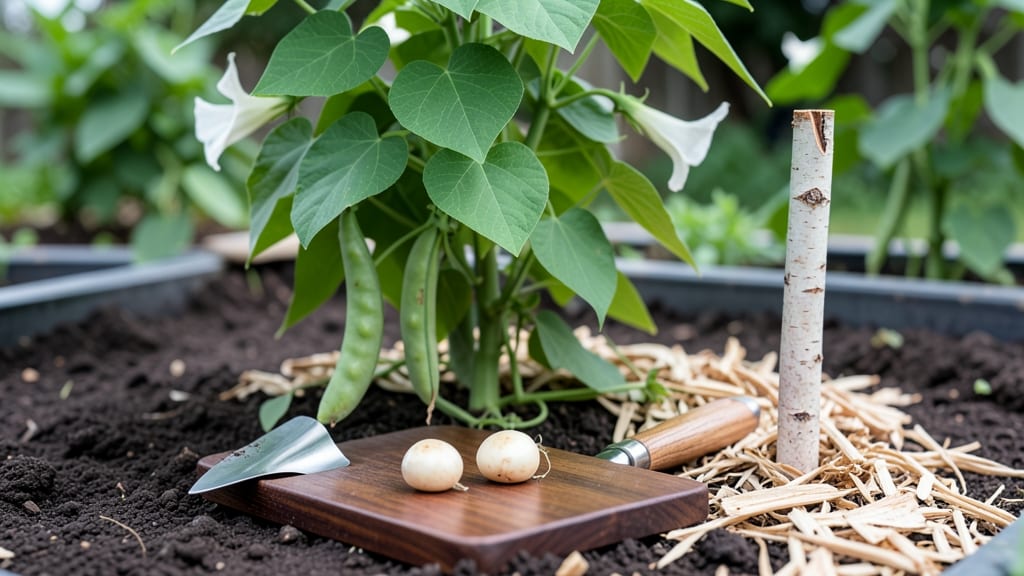
Timing your beans planting in Zone 7 could mean the difference between a garden overflowing with fresh pods and a sad, empty vine—and the window is narrower than you think.
With last frosts creeping in around mid-April and first frosts arriving by mid-October, knowing the exact weeks to sow ensures your 🌱 thrives when conditions are just right.
Most gardeners in Zone 7 focus on spring planting, but the real secret to a continuous harvest lies in that second window—late July to early August—that unlocks a fall crop.
Whether you're growing bush beans for quick harvests or pole beans for a climbing feast, getting the timing right means warmer soil, fewer pests, and pods that burst with flavor instead of struggling to mature.
Here’s the game-changer: soil temperature matters more than calendar dates. Beans need soil that’s consistently above 60°F to germinate properly, which in Zone 7 often means waiting until early June for spring plantings—or jumping on that late-summer window before summer heat fades.
I’ll walk you through the exact weeks to plant, plus how to adjust for your specific microclimate, whether you’re coastal or inland.
Ready to turn your garden into a bean bonanza? Let’s break down the most important factors—from frost dates to companion planting hacks—that will have you harvesting fresh pods all season long.
Optimal planting windows for beans in Zone 7 by variety type
Beans thrive in Zone 7 when planted at the right time, but the exact window depends on whether you're growing bush beans, pole beans, or snap peas.
Since Zone 7's last frost typically falls around April 15, timing is everything to avoid frost damage or stunted growth. For most varieties, aim to plant 2-3 weeks after your last frost date—usually mid-April to early May for spring crops.
Spring-planted beans need warm soil (60°F+) to germinate quickly. Cold soil delays sprouting, leaving plants vulnerable to pests and disease. If your soil is still chilly, consider using black plastic mulch to warm it faster.
For fall harvests, plant again in late July to early August—this gives beans enough time to mature before the first frost (October 15).
Pole beans, like Kentucky Wonder or Rattlesnake, need more time to climb and produce pods, so start them 1-2 weeks earlier than bush varieties. Bush beans, such as Blue Lake or Contender, mature faster (50-60 days) and can handle slightly later plantings if conditions are ideal.
Snap peas, though technically legumes, follow a different schedule. Plant them 4-6 weeks before your last frost (early March) for a spring harvest, as they tolerate cooler temperatures better than beans. This early start gives them time to thrive before summer heat sets in.
🌱 Bean Planting Timeline for Zone 7
| Variety | Planting Window | Soil Temp for Germination | Days to Maturity | Key Tip |
|---|---|---|---|---|
| Bush Beans (e.g., Blue Lake) | Mid-April to early May | 60°F+ | 50-60 days | Plant after frost risk passes |
| Pole Beans (e.g., Kentucky Wonder) | Late April to early May | 65°F+ | 60-70 days | Provide trellis at planting |
| Snap Peas (e.g., Sugar Snap) | Early March or late July | 45°F+ | 60-75 days | Tolerates cooler soil |
| Fall Bush Beans (e.g., Contender) | Late July to early August | 60°F+ | 50-60 days | Use row covers for warmth |
If you're unsure about your last frost date, check your local USDA Plant Hardiness Zone Map or use a frost calendar from your county extension office.
For example, in Raleigh, NC (Zone 7b), the average last frost is April 1, while in St. Louis, MO (Zone 7a), it’s closer to April 15. Adjust your planting dates accordingly.
For succession planting, sow new seeds every 2 weeks after your initial planting to ensure a continuous harvest. This works especially well for bush beans, which mature quickly. Pole beans, however, benefit from a single planting due to their longer growth cycle.
Always plant beans in full sun (6+ hours daily) and well-draining soil with a pH of 6.0-7.0. Mix in compost before planting to improve fertility. Avoid planting beans where tomatoes, peppers, or other nightshades grew the previous year, as they share diseases.
Pro tip: Use a soil thermometer to monitor temperatures. Beans won’t germinate well below 60°F, so wait until the soil warms up. If you’re eager to plant early, consider using biodegradable seed starters to jumpstart growth in cooler conditions.
Finally, remember that fall-planted beans can be just as productive as spring ones if you choose heat-tolerant varieties like Black Valentine or Scarlet Runner. These varieties handle late-summer heat better and extend your harvest into October.
How to adjust planting for Zone 7’s unpredictable spring weather
Zone 7’s spring weather can be a real wildcard, with late frosts lingering past April 15 or sudden heatwaves drying out soil before beans even sprout. That’s why my strategy focuses on flexibility—adjusting planting times based on real-time conditions rather than relying solely on calendar dates.
The key is monitoring soil temperature and frost forecasts to avoid common pitfalls like stunted growth or lost seedlings.
For example, if your soil stays below 60°F past early May (common in inland areas), hold off on planting until temperatures stabilize. Coastal gardeners, on the other hand, might see warmer soil earlier—sometimes as soon as late April.
I always use a soil thermometer to confirm readiness, because beans won’t germinate well in cold soil, no matter what the calendar says.
Here’s the game-changer: succession planting in 2-week intervals after your first sowing. This ensures a continuous harvest and protects against weather surprises. For instance, if a late frost hits right after your initial planting, your second batch (planted 2 weeks later) will still thrive while the first batch recovers.
⚠️ Watch for These Red Flags
- Soil temp below 60°F → Delay planting until it warms
- Frost forecast within 7 days → Use row covers or wait
- Hard, dry soil → Water deeply 24 hours before sowing
- Sudden heatwave → Shade seedlings with cloth to prevent stress
Pro tip: Plant cold-hardy varieties like 'Contender' or 'Blue Lake' if you’re pushing early spring limits.
Another trick I swear by is planting pole beans slightly earlier than bush beans. Their vines provide natural shade, which can protect tender seedlings from late frosts. Plus, their vertical growth makes them less vulnerable to soil-borne diseases that thrive in damp spring conditions.
If you’re worried about pests like Mexican bean beetles (common in Zone 7), interplant with radishes or nasturtiums to deter them naturally.
For gardeners in coastal Zone 7 (like parts of North Carolina or Virginia), humidity can be a bigger challenge than temperature. In these areas, I recommend spacing plants 6 inches apart instead of the usual 4 inches to improve airflow and reduce fungal risks like rust.
Mulch heavily with straw to keep soil moist without creating soggy conditions that invite disease.
Finally, don’t overlook the fall planting window (late July to early August) as your safety net. This second crop often produces sweeter beans because the cooler fall air slows their growth just enough to develop richer flavors.
Just be sure to harvest before the first frost—typically around mid-October in Zone 7.