
Plants
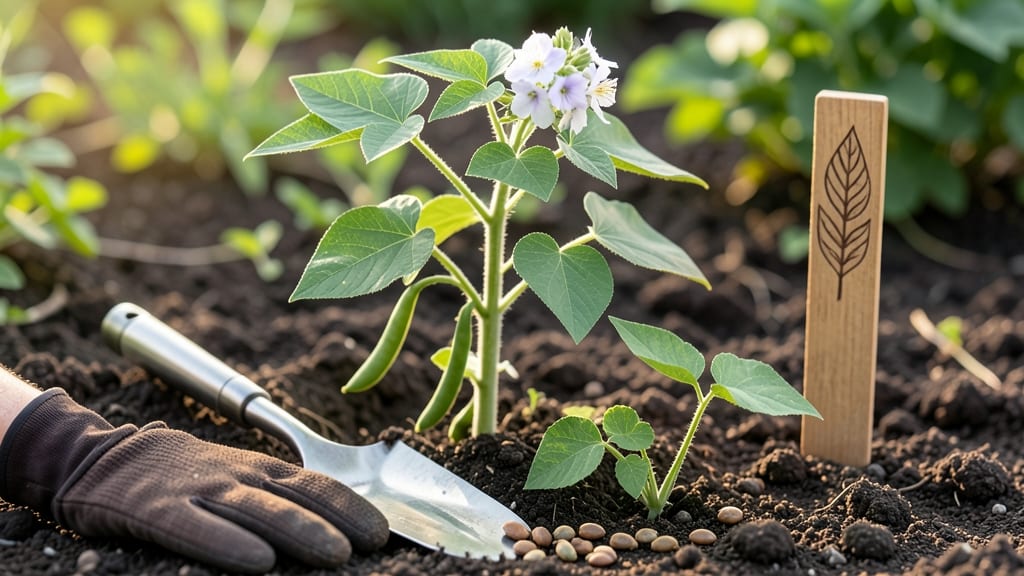
Figuring out when to plant beans in Zone 5 can feel like guessing when to jump into a lake—too early and you’ll shiver, too late and you miss the swim.
But here’s the secret: timing these 🌱 legumes perfectly means the difference between a garden full of sweet, tender pods and a bitter disappointment.
In Zone 5, where frost lingers until mid-May and returns by September, planting beans at the wrong time can trigger bolting (those bitter-tasting flowers) or worse—complete crop failure. The key? Waiting until soil temperatures hit at least 60°F and the last frost is a distant memory.
You’ll learn exactly when to start seeds indoors or sow directly in the ground for both spring and fall harvests, plus how to stretch your growing season with smart tricks. No more second-guessing—just a foolproof timeline to maximize your yield.
Whether you’re a first-time gardener or a seasoned green thumb, these Zone 5-specific tips will ensure your beans thrive from mid-April to early June—or again in late July for a fall bounty. Let’s get those seeds in the ground the right way!
Zone 5 bean planting timeline: exact dates to avoid bolting and frost
Beans are one of the easiest vegetables to grow, but timing is everything in Zone 5. Plant too early, and frost will kill seedlings. Plant too late, and your beans might bolt (flower prematurely) or produce bitter pods.
The key is aligning your planting with soil temperatures and last frost dates—typically mid-May in most of Zone 5.
Most bush beans and pole beans thrive when soil reaches 60°F and stays warm. In Zone 5, this usually means waiting until after May 15th for spring planting. For fall harvests, aim for late July to early August to ensure beans mature before the first frost in mid-September.
Why timing matters: Beans grow fastest in warm soil, and cool temperatures cause slow germination or stunted growth. Additionally, beans planted too early may struggle with soil-borne diseases, while late plantings risk bolting before pods form.
Use a soil thermometer to confirm readiness—60°F is the magic number for germination. If your soil is cooler, wait a few more days or use black plastic mulch to warm it faster.
Here’s your Zone 5 bean planting timeline broken down by variety and season:
🌱 Bean Planting Summary for Zone 5
| Variety | Spring Planting Window | Fall Planting Window | Days to Maturity | Key Notes |
|---|---|---|---|---|
| Bush Beans (e.g., Blue Lake, Roma) | May 15 – June 1 | July 20 – August 10 | 50–60 days | Compact; harvest all at once |
| Pole Beans (e.g., Kentucky Wonder, Rattlesnake) | May 1 – May 20 | July 10 – July 30 | 60–70 days | Vining; continuous harvest |
| Dwarf Beans (e.g., Contender, Derby) | May 10 – June 10 | July 15 – August 5 | 45–55 days | Short stature; great for containers |
🌡️ Pro Tip: Check your local last frost date—some Zone 5 areas (like northern Illinois) may need to wait until June 1 for safety.
For pole beans, plant earlier in spring (by May 1) since they take longer to mature. If you’re growing heirloom varieties, like Scarlet Runner, start seeds indoors in April and transplant after frost.
In Zone 5b (warmer microclimates), you can push spring planting to April 25, but always confirm soil temps. For fall plantings, late July is ideal—beans need 80–100 frost-free days to mature.
If you’re unsure about your exact last frost date, use the 50°F soil temperature rule as a backup. Beans won’t germinate well below this, so wait until your soil is reliably warm.
Once planted, keep soil moist (but not soggy) and watch for bean beetles or Japanese beetles, which are common in Zone 5. A light row cover can protect young plants from pests while they establish.
With the right timing, you’ll enjoy fresh pods from July through October—or even into November with a late fall planting! 🌿
Zone 5 bean planting timeline: exact dates to avoid bolting and frost
Timing is everything when planting beans in Zone 5. The difference between a bountiful harvest and bitter, stringy pods often comes down to planting too early or too late.
In Zone 5, where last frost dates can vary by weeks, knowing the precise window for both spring and fall planting is critical to avoid frost damage or premature bolting.
Beans are warm-season crops that thrive when soil temperatures consistently reach 60°F or higher. In Zone 5, this typically aligns with mid-April to early June for spring planting and late July to early August for fall crops.
Planting too early risks cold soil and stunted growth, while waiting too long may result in overly mature pods before the first frost.
🌱 Key Takeaway: Aim for a 150-day frost-free period to ensure beans mature before Zone 5’s first frost, usually around mid-September. Use this table to pinpoint the best planting dates for your garden.
| Planting Window | Soil Temp Requirement | Last Frost Date | First Frost Date |
|---|---|---|---|
| Spring Planting | 60°F+ (consistent) | Mid-May (varies) | Mid-September |
| Fall Planting | 60°F+ (consistent) | N/A (after summer heat) | Mid-September |
| Succession Planting | 60°F+ (consistent) | Every 2 weeks (May-June) | N/A (extends harvest) |
For spring planting, start seeds indoors 4-6 weeks before your last frost date to give seedlings a head start. Transplant outdoors only after soil warms to 60°F and nighttime temperatures stay above 50°F.
If you’re unsure about your last frost date, check your local USDA Plant Hardiness Zone map or use a frost calendar for your specific region within Zone 5.
In Zone 5’s shorter growing season, fall planting can be risky but rewarding. Choose fast-maturing varieties (50-60 days to harvest) and plant late July to early August to ensure pods mature before the first frost. Use row covers to extend the season by 2-3 weeks if temperatures dip unexpectedly.
Pro tip: Bush beans mature faster (50-60 days) than pole beans (60-70 days), making them ideal for late-season planting in Zone 5. If you’re eager for a harvest, prioritize bush varieties like 'Blue Lake' or 'Kentucky Wonder' for a quicker turnaround.
Always monitor soil temperature with a soil thermometer—beans won’t germinate well in cold soil, even if air temperatures are warm. If your soil stays below 60°F for more than a week, wait to plant or use black plastic mulch to warm the soil faster.