
Plants
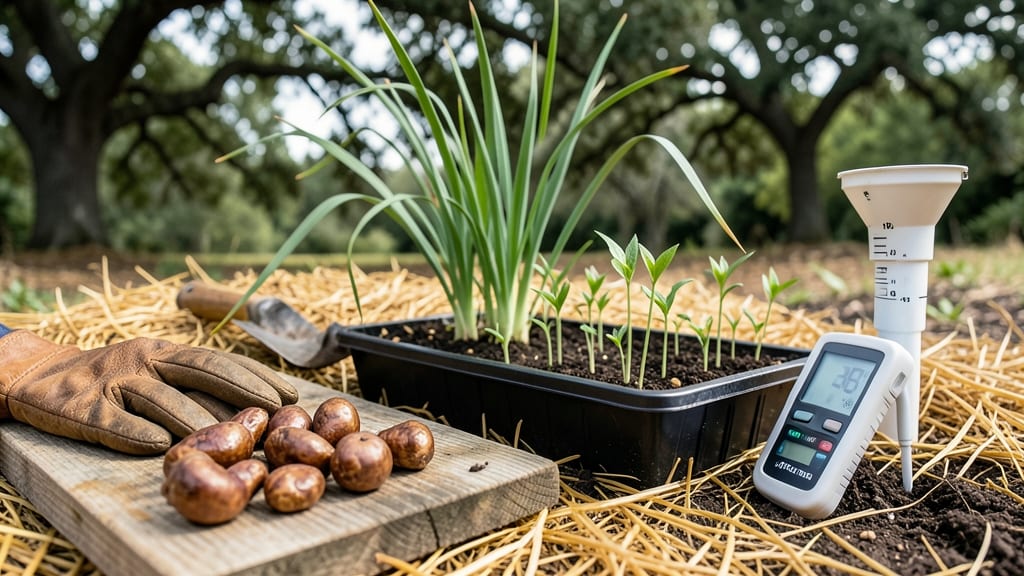
Timing your chufa planting in North Carolina could mean the difference between a sweet, nutty harvest and bitter disappointment. This unique tuber thrives in NC's warm summers, but getting it right means avoiding the dreaded bolting phase that turns your crop into tough, inedible stalks.
Most gardeners in zones 7a-8b wait until late spring to early summer—think May or June—when soil temperatures consistently hit 60°F or warmer. This window gives chufa 🌾 enough heat to develop those prized tubers underground before the first frost sneaks up in November.
Here's the game-changer: planting too early risks frost damage, while waiting too long can trigger premature flowering. I'll show you exactly how to nail that perfect window, plus pro tips for NC's humid climate that keep your chufa happy from seed to harvest.
Whether you're a first-time grower or a seasoned gardener, these strategies will help you avoid common mistakes and maximize your yield. Let's get those tubers growing the right way!
Optimal chufa planting months in NC to prevent bolting
North Carolina’s humid subtropical climate creates perfect conditions for chufa, but planting timing makes all the difference between sweet tubers and bitter bolts. The ideal window is late spring to early summer—May through June—when soil temperatures consistently hit 60-70°F.
This aligns with NC’s USDA Zones 7a-8b, where frost risks fade after mid-April.
Chufa thrives in NC’s coastal, Piedmont, and Mountain regions, but microclimates vary. Coastal areas (like Wilmington) can plant 1-2 weeks earlier due to milder winters, while higher elevations (Asheville) may need to wait until late May to avoid late frosts. Always check your last frost date and adjust accordingly.
Here’s how NC’s three distinct regions affect planting:
| Region | Best Planting Window | Soil Temp Threshold | Key Consideration |
|---|---|---|---|
| Coastal (Zones 8a-8b) | Early May – Early June | 60-70°F (consistent) | Higher humidity; mulch to retain moisture |
| Piedmont (Zones 7a-7b) | Mid-May – Late June | 65-75°F (stable) | Moderate heat; water deeply in droughts |
| Mountains (Zones 6b-7a) | Late May – Early July | 70°F+ (minimum) | Shorter season; extend with row covers |
Fall planting is risky in NC unless you’re in Zone 8b (coastal). Chufa needs 90-120 days to mature, and planting after July 15th often leads to bolting before tubers develop. If you’re determined to try, stick to late August in coastal areas and monitor for first frost warnings.
For maximum tuber production, aim for a June 1st planting. This gives chufa enough time to establish roots before NC’s peak summer heat (July-August) and ensures harvests align with September-October when days shorten.
Use a soil thermometer to confirm temperatures—below 60°F delays growth, while above 85°F can stress plants.
Pro tip: In humid NC summers, chufa benefits from drip irrigation to keep soil evenly moist. Overwatering or drought stress are the #1 causes of bolting, so aim for 1 inch of water per week.
Mulch with straw or pine needles to regulate moisture and suppress weeds—critical in NC’s fast-growing weed environments.
If you’re in Zone 7a (Piedmont/Mountains), consider starter plants from nurseries in late May. These give chufa a 2-week head start over seeds, helping avoid the late-June heat spike that triggers bolting. Just ensure they’re hardened off before transplanting!
Finally, avoid planting near trees—chufa hates competition. In NC’s dense forests, clear a 4-foot radius around planting areas to give roots room to spread. With the right timing, your chufa will reward you with sweet, nutty tubers instead of bitter bolts.
Optimal chufa planting months in NC to prevent bolting
North Carolina's USDA zones 7a-8b offer perfect conditions for chufa when you time planting right. The ideal window spans from late May to early June, when soil temperatures consistently reach 60-70°F. This timing ensures tubers develop underground instead of triggering the plant's bolting phase, which produces bitter stalks.
For coastal NC (like Wilmington), you can push planting slightly earlier—mid-April to May—thanks to milder winters. However, mountain regions (Asheville area) should wait until late May to June to avoid late spring frosts that can damage young plants.
Here’s why timing matters: chufa needs 90-120 days of warm weather to mature. Planting too early risks frost damage, while late planting (after July) often leads to bolting before tubers fully form. The Piedmont region (Raleigh/Durham) has the most flexibility, with June being the sweet spot.
To check soil readiness, use a soil thermometer—plant only when temps stay above 60°F for 5+ days. In NC’s humid climate, well-draining soil is critical to prevent rot. Amend heavy clay soils with compost or sand to improve aeration.
For a second harvest, some NC gardeners try a fall planting in August, but this is riskier due to shorter days. If attempting, use black plastic mulch to retain heat and extend the growing season by 4-6 weeks.
Remember: chufa’s tubers form underground, so focus on consistent moisture (not soggy soil) and full sun (6+ hours daily). With the right timing, you’ll avoid bolting and enjoy a sweet, nutty harvest by late September or October.