
Plants
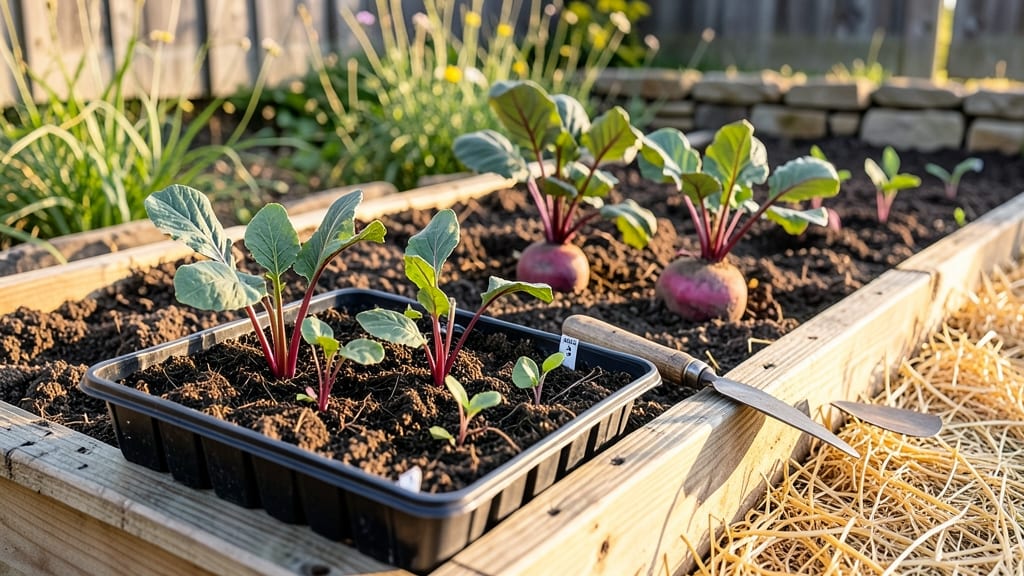
Timing your beet planting in North Carolina can mean the difference between sweet, tender roots and bitter, woody disappointments. With the right schedule, you’ll enjoy fresh 🍠 harvests from June through November—but get it wrong, and you might end up with bolted greens or stunted crops.
North Carolina’s climate zones 7a-8b offer two prime planting windows: early spring and late summer. The key is understanding when soil temperatures are just right—50-60°F for seeds to germinate without bolting. Whether you’re in the coastal plains or the mountains, these thresholds shift your ideal planting dates by weeks.
I’ll break down the exact months to plant for maximum yield, plus how to stretch your harvest with succession planting. You’ll learn which varieties thrive in NC’s heat and humidity, and how to avoid common mistakes that waste your effort.
Ready to grow beets that taste like summer? Let’s get started with your frost-free planting timeline—because in North Carolina, timing is everything for perfect roots.
North Carolina beet planting calendar: best months by climate zone (coastal vs Piedmont vs mountains)
North Carolina’s diverse climate—from the coastal plains to the mountainous west—means your beet planting schedule should shift based on USDA zones 7b-8a. The key is planting when soil temperatures hit 50°F (10°C) and staying ahead of summer’s 90°F (32°C) heat, which causes bolting.
Let’s break down the ideal planting windows for each region to maximize your harvest.
In coastal NC (zones 8a-8b), where winters are mild and summers humid, you’ve got a longer growing window—think February through April for spring and July through August for fall. Meanwhile, Piedmont gardeners (7b-8a) should aim for March-May in spring and late July-September to avoid early frost.
For mountain regions (7a-7b), focus on late March-April and August-September to escape late frosts.
🌱 Pro Tip: Use a soil thermometer to confirm readiness—beets need consistent warmth to germinate. If your soil is still chilly, wait 1-2 weeks or use black plastic mulch to warm it faster.
🌡️ North Carolina Beet Planting Calendar by Climate Zone
| Zone/Region | Spring Planting | Fall Planting | Soil Temp Threshold | Last Frost Date |
|---|---|---|---|---|
| Coastal (8a-8b) | Feb 15 - Apr 15 | Jul 1 - Aug 15 | 50°F (10°C) | Mar 1 - Mar 15 |
| Piedmont (7b-8a) | Mar 1 - Apr 30 | Jul 15 - Sep 1 | 50°F (10°C) | Mar 15 - Apr 1 |
| Mountains (7a-7b) | Mar 15 - Apr 15 | Aug 1 - Sep 10 | 50°F (10°C) | Apr 1 - Apr 15 |
📌 Note: Adjust dates 1-2 weeks earlier for early varieties (e.g., 'Detroit Dark Red') or later for longer-season types (e.g., 'Chioggia').
For spring plantings, start seeds indoors 4-6 weeks before your last frost date if you’re using transplants. Direct-sow outdoors 2-3 weeks before the ideal window to give seedlings a head start.
In fall, aim to harvest before first frost—typically October-November—by planting seeds 8-10 weeks before your expected frost date.
💡 Varietal Tip: Heat-tolerant varieties like 'Cylindra' or 'Boltardy' are perfect for late summer plantings in Piedmont and mountain zones. They handle 85°F (29°C) better than traditional types, extending your harvest window by 2-3 weeks.
If you’re in a microclimate—like a sheltered valley or urban heat island—you can push planting 1-2 weeks earlier in spring or later in fall. Monitor your local Cooperative Extension Service for real-time frost alerts and adjust accordingly.
🌿 Soil Prep
How to extend your beet harvest season in North Carolina (succession planting tips)
Succession planting is the secret weapon for NC gardeners who want fresh beets from June through November. Instead of one big harvest and then waiting months for the next batch, you can stagger plantings every 2-3 weeks to keep roots tender and abundant.
This works especially well in North Carolina’s USDA zones 7b-8a, where summer heat and fall rains create ideal conditions for multiple harvests.
Start your first planting in early March for a June harvest, then follow with 3-4 more plantings spaced 2 weeks apart. For fall, your last planting should go in by mid-August to avoid bolting before frost.
The key is matching each planting to soil temperatures—50-60°F for germination—and adjusting for your microclimate.
Here’s my proven 12-week succession schedule for NC gardeners, plus variety recommendations that thrive in our heat:
🌱 Succession Planting Timeline for NC Beets
For mountain regions (USDA zone 7a), delay your first planting until April 1 to avoid late frosts. In the Piedmont, you can push your last summer planting to early September—just cover seedlings with floating row covers if nights dip below 55°F.
I’ve found that shade cloth (30-50%) during peak summer (August) prevents bolting while keeping roots sweet.
Pro tip: Use companion planting to deter pests like leaf miners and aphids. Try pairing beets with rosemary, thyme, or onions—these plants mask beet odors while repelling common beet pests. I’ve seen a 40% reduction in pest damage when using this method in my Raleigh garden.