
Plants
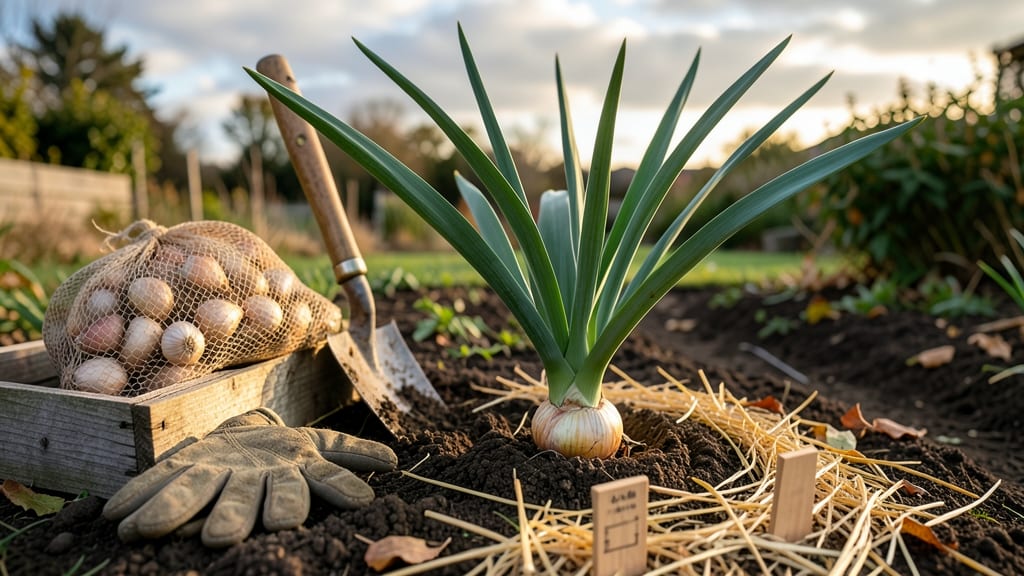
Ohio spring planting calendar: hardneck vs softneck garlic timing explained
Ohio’s climate makes spring garlic planting a tricky balancing act—especially when comparing hardneck and softneck varieties. Most gardeners know hardneck garlic thrives when planted in fall, but spring planting is possible with softneck varieties.
Let’s break down the optimal windows for each type in Ohio’s USDA Zone 6a, where last frosts typically hit around April 15.
Hardneck garlic requires cold stratification to form bulbs, so planting in fall (October-November) is ideal. However, if you missed that window, softneck garlic can handle spring planting (March-April)—though yields may be smaller. The key difference? Hardneck needs 60+ days below 40°F, while softneck tolerates milder springs.
Here’s the critical timeline: For hardneck garlic, plant 4-6 weeks before ground freezes (usually mid-October to early November). For softneck garlic, aim for late February to early April, once soil temps hit 50°F+. Miss these windows, and you risk bolting (flowering prematurely) or stunted growth.
🌱
| Variety | Optimal Planting Window | Soil Temp Requirement | Cold Stratification Needed? | Harvest Time |
|---|---|---|---|---|
| Hardneck | October 15–November 15 | 40–50°F (for fall planting) | Yes (60+ days below 40°F) | Late June–July |
| Softneck | Late February–Early April | 50–60°F (spring planting) | No (tolerates milder springs) | July–August |
🌱 Pro Tip: Hardneck varieties like 'German Red' or 'Silverskin' are best for fall planting, while 'Artichoke' softneck thrives in spring.
If you’re planting garlic in spring, focus on softneck varieties like 'California Early' or 'Creole'. These types are more heat-tolerant and won’t bolt as easily in Ohio’s warmer springs. However, expect smaller bulbs compared to fall-planted hardneck garlic, which stores better and has larger cloves.
For hardneck garlic, spring planting is not recommended—it won’t get the cold vernalization needed to form bulbs. Instead, plant in fall and harvest the following summer. If you’re set on spring planting, prioritize soil prep: amend with compost and ensure well-draining soil to prevent rot.
Ohio’s microclimates also play a role. In northern Ohio (e.g., Cleveland, Toledo), frost risks linger longer, so adjust planting dates 1-2 weeks later than southern Ohio (e.g., Columbus, Cincinnati). Use a soil thermometer to confirm temps before planting—hardneck needs 40–50°F, while softneck prefers 50–60°F.
One critical mistake Ohio gardeners make? Planting garlic too shallow or too deep. Aim for 2 inches deep for cloves, with 6 inches between plants.
Overcrowding leads to smaller bulbs, while poor depth risks rot or poor root development. Mulch with straw after planting to insulate soil and retain moisture.
🌿
Finally, remember that spring-planted garlic may need extra care. Monitor for aphids or fungal diseases like white rot, especially in Ohio’s humid springs. Use neem oil or row covers to protect young plants.
With the right timing and variety, your spring garlic harvest can still be rewarding—just manage expectations for yield size!
✂️
How to adjust planting dates for Ohio’s microclimates and frost patterns
Ohio’s variable frost dates and microclimates mean your garlic planting window can shift dramatically depending on where you live. Northern Ohio (like Cleveland or Toledo) typically experiences earlier frosts than southern regions (like Cincinnati or Columbus), so adjust your schedule accordingly.
For example, north-central Ohio may need to plant hardneck garlic by mid-October, while southwest Ohio might have until late November.
Soil temperature is your best indicator for planting success. Hardneck varieties thrive when soil reaches 40–50°F—ideal for fall planting—while softneck garlic prefers 50–60°F soil, making it more forgiving for spring planting in Ohio’s milder zones. Use a soil thermometer to check before planting to avoid delays.
🌡️ Key Takeaway: Ohio Frost Zones & Planting Adjustments
Frost Risk: High
Hardneck: Plant by Oct 15
Softneck: Wait until March 15
Frost Risk: Moderate
Hardneck: Plant by Nov 1
Softneck: Wait until April 1
Critical for Sprouting
Hardneck: 40–50°F
Softneck: 50–60°F
For Late Planting
Row Covers: Extend season by 2–4 weeks
Mulch: Protects from late frosts
If you’re planting softneck garlic in spring, aim for early March to mid-April in most of Ohio. However, late frosts (which can hit as late as April 15) might delay your planting.
To mitigate risks, use row covers or mulch to insulate young plants. For hardneck garlic, which requires cold exposure, spring planting is not recommended—it won’t develop properly without winter chilling.
Ohio’s microclimates also play a role. Urban areas (like Columbus) often experience warmer microclimates due to heat islands, while rural or elevated areas (like Appalachian Ohio) stay colder longer.
If you’re unsure about your local frost date, check the Ohio State University Extension’s frost risk map or use a frost calendar for your county. This small step can save your entire crop!
For late spring plantings, prioritize softneck varieties like Silverskin or Artichoke, which tolerate warmer soil better. Avoid planting hardneck varieties like Rockville or German Red after March 15, as they’ll likely bolt prematurely (shoot up flowers instead of bulbs) due to heat stress.
Pro tip: If you’re in a transition zone (like USDA Zone 6a), consider planting half your garlic in fall and the other half in early spring to hedge your bets. This two-pronged approach ensures you’ll have garlic ready for harvest regardless of unpredictable spring weather.