
Plants
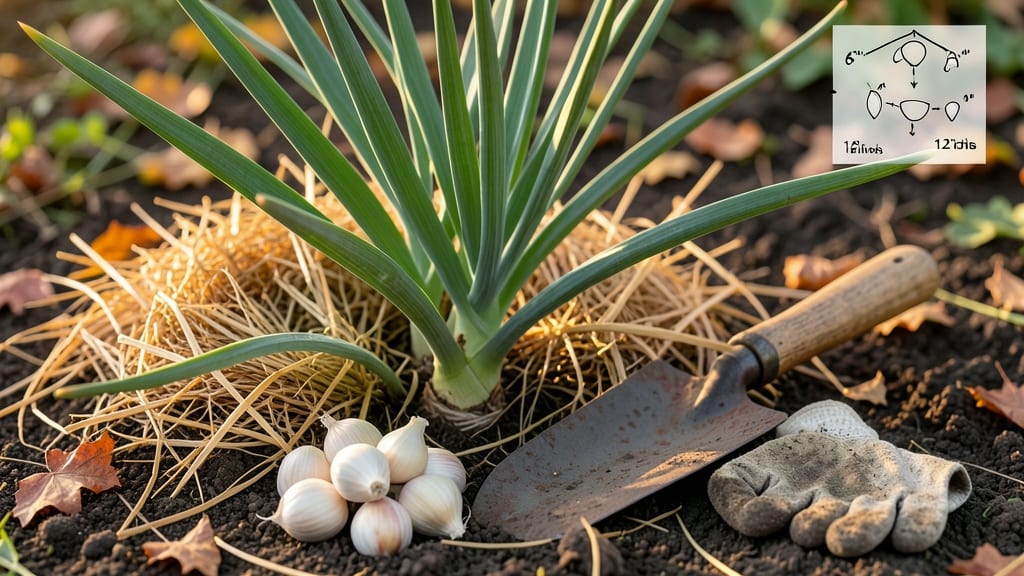
Planting garlic in Wisconsin isn’t just about tossing cloves into the soil—it’s a precise timing game that separates bold, flavorful bulbs from disappointing harvests. With hardneck and softneck varieties each demanding their own window, getting it wrong could mean losing your crop to winter’s chill or stunted growth.
The key lies in understanding when the ground cools but hasn’t frozen solid, typically between October and November for Wisconsin’s 4a-6b zones.
Why does this matter so much? Because garlic planted too early may rot, while cloves dropped too late risk freezing before establishing roots. I’ve seen gardeners in northern Wisconsin swear by early October plantings, while those in southern regions push it closer to November.
The difference between these schedules can mean the gap between a thriving crop and a failed experiment.
In this guide, I’ll break down the exact planting windows for both hardneck and softneck varieties, plus the critical factors that determine success—like soil temperature, frost dates, and clove selection.
Whether you’re a seasoned gardener or a first-timer with a bag of 🧄 cloves, these insights will help you plan for the best possible yields next fall.
Let’s dive into the science behind Wisconsin’s garlic-growing calendar and how you can adjust your schedule for unpredictable weather, so you’re not left guessing when the time is truly right.
Wisconsin garlic planting calendar: hardneck vs softneck timing explained
Wisconsin’s USDA zones 3-5 create unique challenges for garlic growers. Unlike warmer climates, timing isn’t just about seasons—it’s about soil temperatures and frost dates.
Hardneck varieties, like 'German Red', need cold vernalization to form bulbs, while softnecks, such as 'Artichoke', are more flexible but still benefit from early fall planting.
For hardneck garlic, aim to plant between mid-October and early November. This window ensures cloves establish roots before the ground freezes but still experience winter cold. Southern Wisconsin gardeners can push planting to early December, while northern regions should finish by late October to avoid winter damage.
Softneck garlic, though less cold-dependent, thrives when planted 4-6 weeks earlier—typically late September to mid-October. This extra time allows roots to develop before Wisconsin’s first hard frost, usually hitting mid-October in northern areas and late October in the south.
Soil temperature is your secret weapon. Cloves need 40-50°F soil to sprout but won’t survive if planted in frozen ground. Use a soil thermometer to check—if temps drop below 35°F, wait until spring (though spring-planted garlic rarely yields well).
Here’s the golden rule: Plant garlic 4-6 weeks before the ground freezes. In Wisconsin, this typically means October 15–November 1 for most regions. Miss this window, and you risk rot or poor bulb formation.
| Factor | Hardneck Garlic | Softneck Garlic |
|---|---|---|
| Ideal Planting Window | Mid-October–Early November | Late September–Mid-October |
| Soil Temperature | 40–50°F (4–7°C) | 40–50°F (4–7°C) |
| Frost Requirement | Needs winter cold | Cold helps but not required |
| Northern WI Deadline | Late October | Early October |
| Southern WI Deadline | Early December | Mid-November |
Pro tip: Use local frost date data from the Wisconsin State Climatology Office to fine-tune your schedule. For example, Milwaukee (Zone 5b) can plant later than Minneapolis (Zone 4a). Adjust by 1-2 weeks based on your microclimate.
If you’re unsure about your last frost date, err on the side of earlier planting. Garlic cloves can survive light frosts but won’t sprout if the ground stays frozen. A 4-inch mulch of straw after planting adds insulation and protects young roots.
Remember: Spring planting is a last resort. While it’s possible, Wisconsin’s short growing season means bulbs may not mature fully. If you miss fall planting, consider green garlic (harvesting scapes and shoots) instead of waiting for bulbs.
For maximum yields, pair your planting date with proper clove selection—save the largest, healthiest cloves for planting. Smaller cloves produce smaller bulbs, and diseased cloves spread rot. Store cloves in a cool, dark place until planting day.
Wisconsin garlic planting calendar: hardneck vs softneck timing explained
Wisconsin’s cool, variable climate makes garlic planting a delicate balance between avoiding winter freeze and allowing roots to establish. Hardneck varieties—like ‘Music’ or ‘German White’—thrive in Wisconsin’s zones, while softneck types (‘Artichoke’ or ‘Silverskin’) need earlier starts.
The ideal window depends on your USDA zone and when your first hard frost arrives.
For most of Wisconsin (zones 4a–5b), aim to plant hardneck garlic between mid-October and early November. This gives cloves 4–6 weeks to root before the ground freezes.
Southern Wisconsin (zone 6a) can push planting to late October or November, while northern areas (zone 4a) should plant by mid-October at the latest.
| Variety | Best Planting Window | Soil Temp | Notes |
|---|---|---|---|
| Hardneck (e.g., 'Chef', 'German White') | Mid-October to early November | 40–50°F | Cold-hardy; scapes in summer |
| Softneck (e.g., 'Artichoke', 'Silverskin') | Late September to October | 50–60°F | Less cold-tolerant; stores longer |
Softneck garlic needs a longer growing season and should go in the ground 4–6 weeks earlier than hardneck. If you’re in zone 6a, you might even squeeze in a late-September planting for softnecks, but avoid this for hardnecks—they’ll rot before winter.
Test your soil first: aim for 40–50°F at planting depth (6 inches).
Pro tip: Use a soil thermometer to confirm temps. If your garden sits in zone 4a, wait until soil drops below 50°F—this prevents cloves from sprouting too soon.
In zone 5b, you can plant slightly later, as winters are milder. Always plant 4–6 weeks before your first hard frost, which in Wisconsin typically hits mid-November.
Missed the window? Don’t panic. If frost arrives early, mulch heavily with straw (4–6 inches) to insulate cloves. For softnecks, you can also try spring planting (March–April), though yields will be smaller.
The key is consistency: hardnecks need cold, while softnecks need warmth—but both need timing precision to thrive in Wisconsin’s climate.
Ready to plant? Grab your cloves, test that soil, and mark your calendar for mid-October. Your bold, flavorful bulbs next summer will thank you! 🧄