
Trees
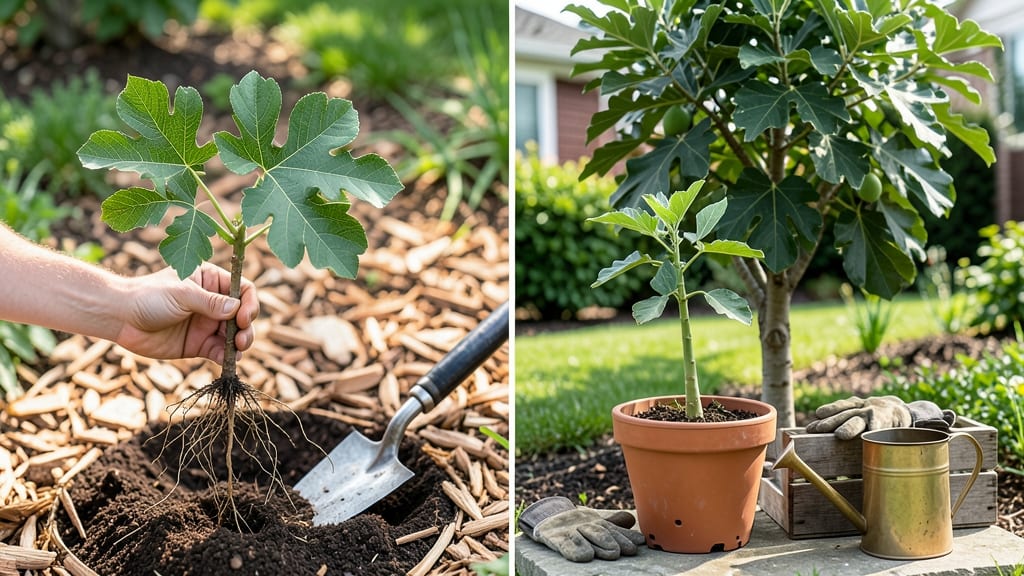
Fig trees in North Carolina 🍈 can transform your yard into a sweet, shady oasis—but only if you plant them at the right time. The perfect window isn’t just about months; it’s about dodging early frost and giving roots a fighting chance before summer’s heat hits.
Most gardeners in zones 7a-8b reach for their shovels in March or April, but that’s not a one-size-fits-all rule. Coastal areas can start earlier, while mountain regions might wait until May to avoid late frosts that could fry tender new growth.
I’ll break down the exact timing for your specific corner of NC and how to prep soil for success.
You’ll also discover why fall planting (September–October) works for some varieties like 'Celeste' or 'Brown Turkey', plus how to spot signs your tree was planted too early—or too late. No more guessing games about when to dig.
Let’s get your fig tree off to the strongest start possible, so you’re harvesting juicy fruit by August or October instead of watching it struggle. Ready to plant with confidence?
Best planting months for fig trees in NC by frost zone
North Carolina’s diverse climate zones mean your fig tree planting window depends on where you live. Coastal areas like Wilmington can plant as early as March, while mountainous regions like Asheville should wait until May or June.
The key is planting after the last frost date—typically mid-March in the east and late April in the mountains.
Fig trees thrive in USDA zones 7a-8b, but even within NC, microclimates create big differences. A Piedmont zone (7b) like Raleigh has a 6-week frost-free window earlier than a mountain zone (7a) like Boone.
Always check your local frost dates before buying trees, as nurseries often sell bare-root figs in February—but planting too early risks frost damage.
For container-grown figs, you can plant 1-2 weeks earlier than bare-root trees, since their roots are already established. However, avoid planting after June—new roots struggle to establish before winter dormancy begins. Fall planting is also an option in September-October, giving roots time to settle before cold weather.
Here’s how NC’s three main regions differ in planting timing:
| Region | USDA Zone | Best Planting Window | Last Frost Date | Key Considerations |
|---|---|---|---|---|
| Coastal (e.g., Wilmington, Morehead City) | 8a-8b | March 15 – April 15 | Mid-March | Humidity can cause fungal issues; choose well-draining soil. |
| Piedmont (e.g., Raleigh, Charlotte) | 7b-8a | April 1 – May 15 | Late March – Early April | Moderate heat; protect young trees from late spring frosts. |
| Mountains (e.g., Asheville, Boone) | 7a | May 1 – June 15 | Late April – Early May | Cooler temps slow growth; plant dwarf varieties for easier care. |
If you’re in a transition zone (like the Sandhills), err on the side of planting later. For example, Fayetteville’s USDA 7b-8a border means you might see frost as late as April 10. Use a frost clock or local extension service data to avoid surprises.
For container growing, you can extend your window slightly. Potted figs tolerate cooler temps and can be moved indoors if frost threatens. However, they still need 6-8 hours of sunlight daily, so position them near a south-facing window or under grow lights during winter.
Pro tip: Hardened fig varieties like ‘Celeste’ or ‘Brown Turkey’ handle NC’s climate better than tender types. Ask your nursery which cold-hardy cultivars thrive in your zone—some can even survive brief dips to 15°F with proper mulching.
Once you’ve nailed the planting timeline, focus on soil prep. Fig trees hate soggy roots, so amend heavy clay soil with compost and sand to improve drainage. A slightly acidic to neutral pH (6.0-7.0) is ideal, and a well-composted bed reduces transplant shock.
After planting, mulch heavily (3-4 inches) with straw or wood chips to retain moisture and regulate soil temperature. This is especially critical in NC’s humid summers, where mulch prevents soil-borne diseases like root rot.
Remember: Timing isn’t just about the calendar—it’s about soil warmth. Use a soil thermometer to confirm temps are above 60°F before planting. In cooler zones, wait for consistent daytime highs of 70°F+ to ensure robust root growth.
How to prepare fig trees for North Carolina’s humidity & heat
Once you’ve picked the perfect planting window for your NC region, the next critical step is preparing your fig tree for the state’s sticky summers and sudden heat waves.
Figs love warmth but can struggle with NC’s high humidity and intense afternoon sun, especially in zones 7a–8b. I’ve learned the hard way—skipping soil prep or mulching can turn your thriving sapling into a sad, sun-scorched mess by July.
Start by testing your soil drainage. Figs hate soggy roots, and NC’s clay-heavy soils can trap moisture. Amend with compost or sand to create loose, well-draining soil.
Aim for a pH between 6.0 and 7.0—most NC soils are slightly acidic, so a quick lime application might help if your test shows pH below 6.0.
Soil Prep
- Test soil drainage—water should seep within 30 mins
- Mix in 3 inches of compost or aged manure
- Add sand or perlite if soil is clay-heavy
- Aim for 6.0–7.0 pH (adjust with lime or sulfur)
Mulching
- Apply 3–4 inches of mulch (wood chips or straw)
- Keep mulch 6 inches from trunk to prevent rot
- Replenish mulch annually to lock in moisture
Watering
- Water deeply 2–3x per week in summer
- Avoid wetting leaves to prevent fungal diseases
- Morning watering reduces evaporation and heat stress
Sun Protection
- Young trees benefit from afternoon shade cloth (30–50%)
- Mature trees need 6+ hours of sun but avoid midday scorching
- Prune lower branches to improve airflow and reduce humidity stress
NC’s summer humidity can also invite pests like aphids or fungal issues. I’ve found that a light spray of neem oil every 4–6 weeks keeps problems at bay without harming the tree.
For extra protection, choose dwarf varieties like 'Little Miss Figgy', which are easier to shield from extreme conditions than towering standards.
Finally, don’t forget to monitor soil moisture during heat waves. Even drought-tolerant figs need consistent water in NC’s 90°F+ stretches. Stick your finger 2 inches into the soil—if it’s dry, it’s time to water.
Overwatering is just as bad as underwatering, so let the top inch dry out between deep soakings.
With these steps, your fig tree will thrive through NC’s climate, not just survive it. Next, we’ll cover how to spot if you’ve planted too early—or too late—and what to do to fix it. 🌱