
Flowers
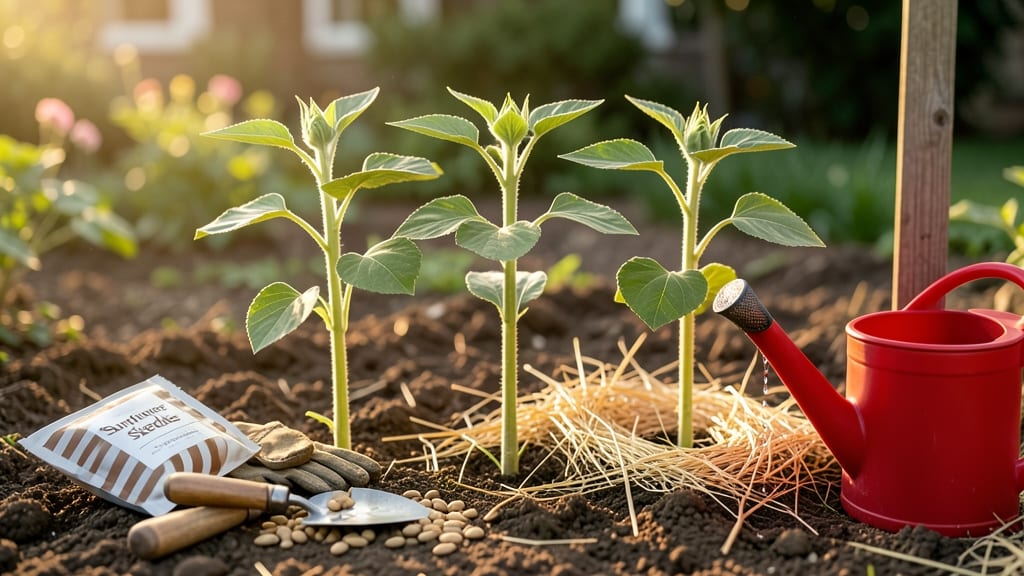
If you’ve ever planted sunflowers in Florida only to watch them struggle in the heat, you’re not alone—timing is everything for these bright blooms.
The best time to plant sunflowers in Florida isn’t just about the calendar; it’s about beating the worst humidity and heat waves while giving them the head start they need to thrive.
Sunflowers 🌻 love Florida’s long growing season, but planting them too early can mean wilting before they bloom, while waiting too long risks stunted growth.
I’ll break down the exact months that work best for North, Central, and South Florida—plus the heat-tolerant varieties that actually survive our summer sun without wilting.
Whether you’re a first-time gardener or a seasoned pro, these insights will help you avoid common mistakes like overwatering, poor soil prep, or choosing the wrong variety. Let’s get those sunflowers growing tall and strong—no more sad, droopy stems!
Ready to transform your garden into a sunflower paradise? I’ll walk you through the best planting windows, soil tips, and even how to handle Florida’s pests so your sunflowers reach their full, towering potential.
Optimal Florida sunflower planting months by region (exact calendar)
Florida’s three distinct climate zones mean sunflower planting times vary dramatically—from North Florida’s cooler winters to South Florida’s year-round heat. Timing your plantings correctly ensures vibrant blooms instead of premature bolting or heat stress.
Most Florida gardeners focus on spring and fall plantings, but summer varieties can thrive with the right heat-tolerant choices. Let’s break down the exact months for each region, accounting for humidity spikes and pest pressures.
Here’s the region-specific planting calendar you need to maximize sunflower success in Florida:
| Region | Best Planting Window | Key Considerations | Peak Bloom Period |
|---|---|---|---|
| North Florida (USDA Zones 8a-8b) | Late February–Early April OR August–September |
Avoid late frosts (after March 15) Use row covers for early spring |
May–June OR October–November |
| Central Florida (USDA Zones 9a-9b) | Early March–Mid-April OR July–August |
Summer heat requires dwarf varieties Watch for aphid outbreaks in humidity |
April–May OR September–October |
| South Florida (USDA Zones 10a-11) | January–February OR June–July |
Year-round growth possible with shade cloth Prioritize disease-resistant seeds |
February–March OR August–September |
For container gardening, you can extend these windows by 2–4 weeks—pots warm up faster in spring and cool down slower in fall. Just ensure your containers have drainage holes to prevent root rot from Florida’s heavy rains.
If you’re in a microclimate (like a coastal area or elevated garden), adjust by 1–2 weeks earlier for cooler spots or 1–2 weeks later for hotter inland zones. Always check your last frost date (typically mid-March for North Florida) to avoid cold damage.
Pro tip: Direct-sow seeds after soil reaches 60°F—use your finger to test depth. If it feels warm to the touch, it’s ready for planting. For transplants, harden off seedlings for 5–7 days before moving them outdoors to prevent transplant shock.
Now that you’ve got your planting timeline locked in, let’s tackle the heat-tolerant varieties that will keep your sunflowers blooming boldly even when Florida’s thermometer spikes to 95°F+.
Optimal Florida sunflower planting months by region (exact calendar)
Florida’s climate varies dramatically from the cool hills of North Florida to the humid tropics of South Florida, so planting times must adapt.
The ideal window for sunflowers is when soil temperatures hit 60°F+—typically March through May for most regions, with adjustments needed for late frosts in the Panhandle and year-round warmth in the Keys.
North Florida (Zones 8a-8b) faces the highest frost risk, while South Florida (Zones 10a-11) rarely sees frost. Central Florida (Zone 9a) sits in the middle, balancing humidity and temperature swings. I’ll break down the exact months for each region, plus how to handle microclimates like coastal areas or inland valleys.
🌱Pro Tip: Always check your local frost-free date (usually mid-March for North Florida) before planting. Sunflowers are frost-sensitive, so never plant before the last expected frost—even if the soil feels warm.
🌻 Florida Sunflower Planting Calendar
| Region | Best Planting Window | Soil Temp Goal | Key Consideration |
|---|---|---|---|
| North Florida (Panhandle) | Mid-March to early May | 60°F+ | Avoid late frosts (wait until after April 15) |
| Central Florida (Orlando, Tampa) | Late February to early June | 65°F+ | Humidity spikes in summer—plant early |
| South Florida (Miami, Keys) | Year-round (best: Sept-Nov) | 70°F+ | Avoid peak summer heat (June-August) |
For North Florida, aim for March 15-May 1 to beat frost and summer heat.
In Central Florida, you’ve got flexibility—plant from late February to early June, but avoid June if possible due to humidity and pests. South Florida gardeners can plant almost anytime, but September-November gives the best balance of moderate temps and lower humidity.
🌡️Heat Wave Hack: If planting in June-August, provide afternoon shade for young seedlings (use shade cloth) and mulch heavily to retain moisture. This trick helps sunflowers establish roots before the 90°F+ heat sets in.
Microclimates matter! Coastal areas stay cooler and wetter, while inland valleys can be 10°F hotter. If you’re near the coast, you might push planting 2-3 weeks later than inland areas to avoid fungal diseases from excess moisture.