
Plants
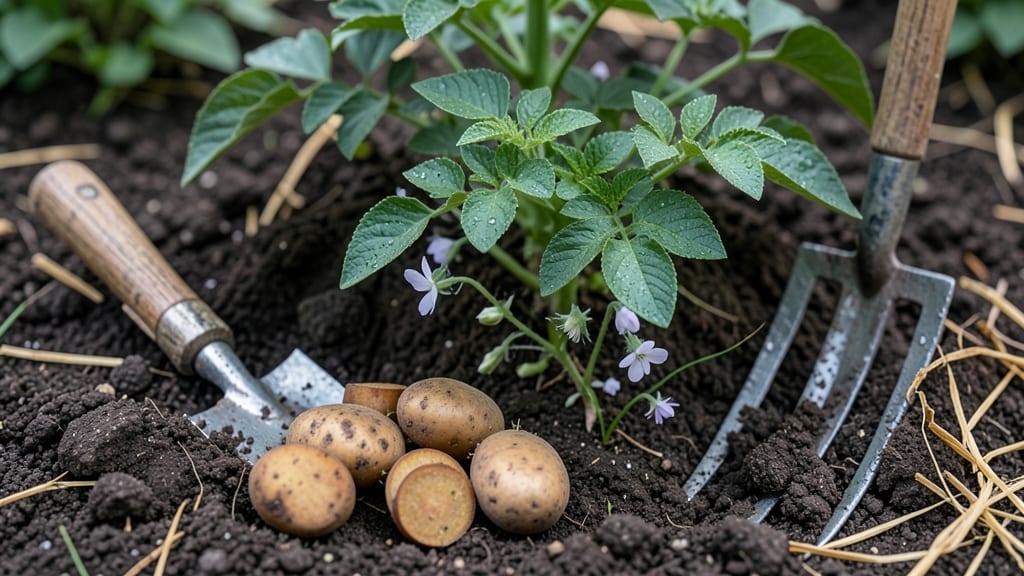
Knowing when to plant fall potatoes in Virginia can mean the difference between a bountiful harvest and a wasted season—especially when frost sneaks in earlier than expected.
With Virginia’s 7a climate, you’ve got just 4-6 weeks to grow your 🥔 from seed to harvest before the first frost hits in late October. One wrong move, and you could lose months of growth.
I’ve grown fall potatoes in Virginia for years, and the key isn’t just planting early—it’s planting strategically. Whether you’re in the Piedmont or Tidewater regions, timing your 🥔 seeds between late August and early September ensures they mature before frost, even in cooler microclimates.
Miss this window, and you’ll either deal with stunted tubers or a crop ruined by early cold snaps.
In this guide, I’ll break down the exact week-by-week schedule for Virginia gardeners, including soil temperature tips and frost-proofing tricks to extend your growing season. No more guessing—just a foolproof plan to get the most out of your fall harvest.
Ready to dig in? Let’s turn your garden into a potato powerhouse before the first frost even thinks about showing up.
Virginia’s fall potato planting zones: exact weeks by USDA hardiness Zone
Virginia’s diverse climate—from the Tidewater’s coastal warmth to the Blue Ridge’s chilly highlands—means your fall potato planting window varies dramatically. The key is aligning your planting dates with your USDA hardiness zone and last frost averages.
For example, Zone 5a gardeners in the Shenandoah Valley have just 4-6 weeks to grow potatoes before frost, while Zone 8a gardeners in Norfolk can extend the season until late November.
I’ve broken down the exact weeks to plant fall potatoes in Virginia’s six USDA zones, including soil temperature thresholds and frost-proofing strategies. The goal? A harvest before the first hard frost—typically between October 15 and November 15, depending on your location.
For instance, in Zone 7a (Richmond area), you’ve got a 60-75 day window to grow potatoes from seed to harvest.
Here’s the critical rule: Plant seed potatoes 4-6 weeks before your first frost date. This ensures tubers mature before temperatures drop below 40°F. In Zone 5a, that means planting by August 15, while Zone 8a gardeners can wait until September 20.
The difference? A 30-day extension in your growing season.
Soil temperature is just as critical as air temperature. Potatoes thrive when soil stays above 50°F—any colder, and growth stalls. Use a soil thermometer to confirm readiness. In Virginia, soil temps drop below 50°F as early as mid-October in the mountains and as late as November in Tidewater. Timing your plantings to avoid this chill is non-negotiable.
Microclimates within each zone add another layer of complexity. For example, Piedmont regions (like Charlottesville) often experience earlier frosts than nearby valleys, while coastal areas (like Virginia Beach) can stay frost-free until December 1. I’ll address these regional nuances in the next section, but for now, focus on your zone’s average first frost date as your planting deadline.
One common mistake? Assuming all of Virginia follows the same schedule. Zone 5a gardeners in the Blue Ridge might need to plant Yukon Gold potatoes by August 1 for a harvest, while Zone 7b gardeners in Northern Virginia can wait until September 1.
The table below spells out the exact weeks for each zone, including frost-proofing tips for cooler areas.
Notice how the planting window shifts by nearly 6 weeks from the Blue Ridge to the coast? That’s why I recommend checking your local frost dates using the Virginia Cooperative Extension’s frost calendar.
Even within a single zone, elevation changes can shift your frost date by 1-2 weeks. For example, a garden at 2,000 feet in the George Washington National Forest might frost 2 weeks earlier than a garden at sea level in Norfolk.
For Zone 5a and 6a gardeners, the stakes are highest. A late frost can wipe out your entire crop, so I recommend planting
Week-by-week fall potato planting schedule for Virginia’s microclimates
Virginia’s diverse climate—from the Tidewater’s coastal warmth to the Blue Ridge’s chilly highlands—means your fall potato schedule should adapt. For most gardeners in USDA Zones 6b-7a (like Richmond or Norfolk), aim to plant 4-6 weeks before your first frost, typically between late August and mid-September.
But in cooler Zone 5a (e.g., Roanoke), start earlier, around mid-August, to avoid early frost.
Here’s your week-by-week roadmap for planting, growth, and harvest—tailored to Virginia’s microclimates. Use this to time your planting so tubers mature before the first hard frost (usually late October to early November in most regions).
🌱 Visual Guide: Virginia’s Fall Potato Timeline
| Week | Zone 5a (Roanoke) | Zone 6b-7a (Richmond/Norfolk) | Zone 7b-8a (Tidewater) |
|---|---|---|---|
| Week 1-2 | Plant August 15-31 | Plant August 25-Sept 10 | Plant Sept 1-15 |
| Week 4-6 | Sprouts emerge; hill soil at 4" height | Sprouts emerge; mulch to retain heat | Sprouts emerge; water deeply |
| Week 8-10 | Tubers form; harvest small spuds by Oct 15 | Tubers form; harvest by Oct 31 | Tubers form; harvest by Nov 15 |
| Week 12+ | Frost risk; harvest remaining tubers | Frost risk; cover plants if needed | Low frost risk; extend with row covers |
In Zone 5a (e.g., Roanoke or Blacksburg), your last frost date is October 15, so plant by August 15 to ensure tubers mature in 90-100 days. For Zone 7b-8a (e.g., Virginia Beach or Norfolk), you’ve got more flexibility—plant until September 15 and harvest through November.
Pro tip: Use early-maturing varieties like ‘Yukon Gold’ (90 days) for cooler zones.
Adjust for your local microclimate: Coastal areas (Tidewater) stay warmer longer, while inland valleys (Piedmont) cool faster. Check your last frost date via the Virginia Cooperative Extension’s frost calculator and count backward 40-50 days for planting. For example, if frost hits October 31, plant by September 15.
Watch for foliage yellowing—this signals tubers are ready. Dig a few test spuds when they’re golf-ball sized (about 2-3 inches) for fresh eating. If frost threatens before harvest, use row covers or a cold frame to buy 2-3 extra weeks.
In Zone 8a, you might even squeeze in a second planting in early October for a late-November harvest!
Remember: Soil temperature matters. Potatoes need soil above 45°F to sprout. Test your soil with a thermometer—if it’s cooler, wait a week or use black plastic mulch to warm it faster. For high-elevation areas (like the Blue Ridge), plant 2 weeks earlier than your zone’s average.
🌿 With this schedule, you’ll avoid the two biggest mistakes: planting too late (small harvests) or too early (frost damage). Stick to these dates, and you’ll pull plump, disease-free spuds straight from Virginia soil—just in time for holiday meals! 🥔