
Plants
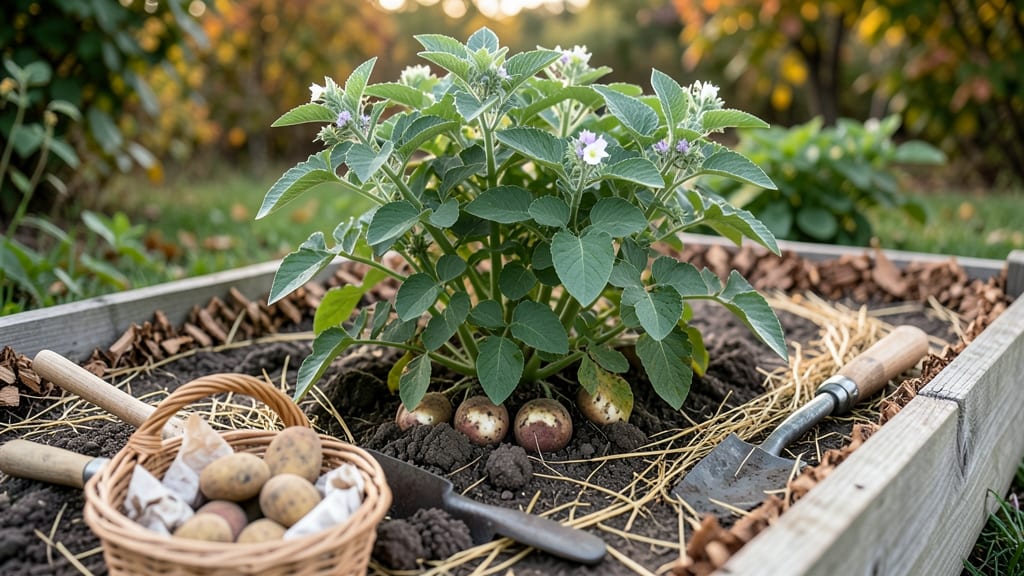
Planting fall potatoes in Arkansas isn’t just about throwing 🥔 tubers into the ground—it’s about timing them perfectly to avoid bolting and beat the frost. The difference between a thriving harvest and wasted effort often comes down to knowing your frost-free window and soil temperatures in zones 7a-8a.
If you’ve ever watched your potato plants bolt prematurely or seen frost nip tender leaves before harvest, you know how frustrating the wrong timing can be. Arkansas gardeners face unique challenges: humid summers, unpredictable frost dates, and short growing seasons that demand precision planting.
In this guide, I’ll walk you through the exact mid-August to early September window for fall potatoes, soil prep secrets, and variety picks that thrive in Arkansas’ climate. Whether you’re growing for fresh eating or storage, these tips will help you maximize yield and avoid common pitfalls.
Ready to turn your backyard into a potato powerhouse? Let’s dive into the strategies that make all the difference for Arkansas growers.
Ideal soil temperature and planting dates for fall potatoes in Arkansas
Fall potatoes in Arkansas require precise timing to avoid bolting or frost damage. The key is planting when soil temperatures drop to 50-65°F—ideal for tuber formation without triggering early flowering. In Arkansas’ USDA Zones 6-8, this window typically opens in mid-August and closes by early September.
To pinpoint your exact planting window, calculate your county’s first frost date (usually November 15) and plant 4-6 weeks before. For example, in Zone 7a, aim for late August, while Zone 8a gardeners can extend to early September.
Use a soil thermometer to confirm temperatures—potatoes won’t sprout below 45°F.
| Factor | Arkansas Specification | Key Notes |
|---|---|---|
| Soil Temperature | 50–65°F | Use a soil thermometer; avoid planting if temps exceed 70°F. |
| Planting Window | Mid-August to Early September | Adjust 1–2 weeks earlier for Zone 7a, later for Zone 8a. |
| First Frost Date | November 15 (avg.) | Plant 4–6 weeks before to ensure harvest before frost. |
| Days to Maturity | 90–120 days | Choose early-maturing varieties for fall planting (e.g., Yukon Gold). |
| Harvest Window | October–November | Stop watering 1–2 weeks before harvest to toughen skins. |
Arkansas’ humid climate adds complexity—excess moisture can delay planting. If rain keeps soil too wet, wait until conditions dry out; waterlogged soil stunts root growth. Conversely, if a heatwave pushes soil temps above 70°F, delay planting until evenings cool to 60°F or lower.
For storage potatoes, plant late August to early September to harvest before Thanksgiving. Cure tubers in a cool, dark, humid space (50–60°F, 85% humidity)** for 2 weeks before storing. This prevents sprouting and extends shelf life through winter.
Pro tip: Use black plastic mulch to warm soil faster in early August if you’re eager to plant. This raises soil temps by 5–10°F, giving you a 2-week head start in cooler microclimates like the Ozark Mountains.
Just remove it 2 weeks before harvest to avoid greening (toxic solanine buildup).
Miss the ideal window? Don’t panic—late August plantings can still yield if you choose fast-maturing varieties (e.g., Red Norland, maturing in 70–80 days). However, avoid planting after September 15; tubers won’t fully develop before frost.
Prioritize soil health too: Arkansas’ clay-heavy soils benefit from compost or aged manure mixed in before planting.
Track your progress with a planting journal. Note soil temps, rainfall, and harvest dates to refine future plantings. For example, in Benton County (Zone 7b), I’ve found planting August 20–25 yields the sweet spot—100 days to harvest before the average November 10 frost.
Remember: Fall potatoes in Arkansas are a second crop, not a spring replant. Rotate planting areas to prevent diseases like late blight, which thrive in Arkansas’ humidity. If your spring crop was in the same spot, wait 3 years before replanting potatoes there.
Ideal soil temperature and planting dates for fall potatoes in Arkansas
Arkansas’s USDA zones 7a-8a offer a narrow window for fall potatoes—typically mid-August to early September. The goal? Plant when soil temps hit 50-65°F and you have 90-120 days until first frost (usually mid-November).
This timing ensures tubers mature before cold sets in, while avoiding the heat stress that triggers bolting.
To pinpoint your exact planting date, check your county’s average first frost date (Arkansas ranges from November 1-15). Count backward 100-120 days—this gives you your last planting window.
For example, if frost hits November 10, aim for late July to early August planting. But Arkansas’s humidity demands a later start to avoid fungal diseases.
Soil temperature is non-negotiable. Use a soil thermometer to confirm 50°F+ at 4-inch depth. Cool soil slows sprouting, while temps above 70°F accelerate growth but increase bolting risk. In Arkansas’s heat, plant deeper (6 inches) and use light mulch to moderate soil temps.
| Stage | Action | Arkansas-Specific Tip |
|---|---|---|
| Soil Prep | Test pH (5.8-6.5), amend with compost | Arkansas clay? Mix in sand for drainage. |
| Planting Window | Mid-August to early September | Zone 7a? Plant late August to avoid early frost. |
| Soil Temp | 50-65°F at 4 inches | Use black plastic mulch to warm soil faster. |
| Frost Buffer | 100-120 days to harvest | Extend season with row covers if frost threatens. |
Pro tip: Arkansas’s humidity can delay soil cooling. If temps drop suddenly, use row covers to protect emerging plants. Monitor weather forecasts—unexpected cold snaps in October can derail your harvest if tubers aren’t mature.
For storage varieties (like Kennebec), aim to harvest 2-3 weeks before frost and cure tubers in a cool, dark, humid space (50-60°F, 85-90% humidity). This prevents sprouting and extends shelf life through winter. Arkansas’s mild winters (Zone 8a) even allow some varieties to overwinter with heavy mulch.
Missed the window? Don’t panic. Plant early-maturing varieties (like Red Pontiac) in late September for a small harvest before frost. Just reduce expectations—these won’t store long-term but beat a total loss.