
Plants
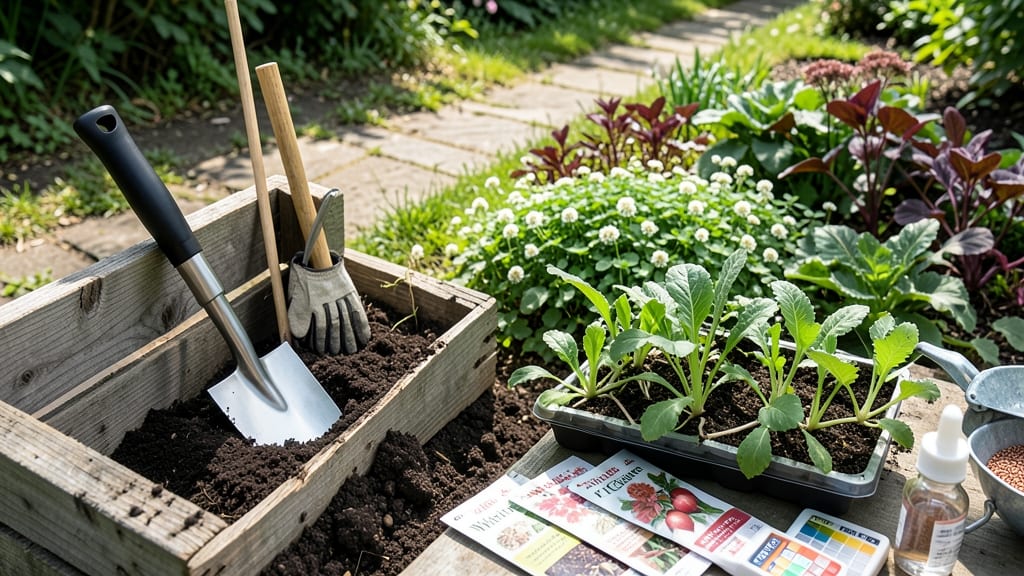
When to plant food plots in Alabama isn't just about checking a calendar—it's about reading the soil, tracking frost-free windows, and understanding when deer will be most active. Get this right, and you could see whitetails browsing your plots within weeks. Miss the window, and you might waste seed or leave bucks hungry elsewhere.
Alabama's 7a-8b zones create unique challenges, with North Alabama's cooler springs and South Alabama's longer growing seasons. The key is planting when soil temps hit 50-65°F—typically late winter through early spring for cool-season plots, or summer for warm-season mixes.
This timing ensures your food plots establish strong roots before summer heat or winter frost hits.
I'll show you exactly when to plant based on your region, which crops thrive in each window, and how to prepare your soil for maximum deer impact. Whether you're planting clover in February or brassicas in June, these strategies will help you create plots that deer can't resist.
Ready to transform your property into a deer magnet? Let's dive into the science behind Alabama's planting windows and discover how to make your food plots a year-round success.
Alabama food plot planting calendar: soil temperature & frost-free triggers
Alabama’s diverse climate—from the cooler Appalachian Plateau to the warmer Gulf Coast—means planting dates vary by region. The last average frost date in North Alabama (around March 15) arrives weeks earlier than in South Alabama (early March).
But frost isn’t the only factor: soil temperature (not air temperature) is the real game-changer for seed germination.
For cool-season food plots like clover and rye, aim to plant when soil temps reach 50°F. In North Alabama, this typically means late February to early March. In South Alabama, where soils warm faster, you can push planting to mid-March.
Warm-season mixes (like sorghum or millet) thrive when soil temps hit 65°F+, usually late May to early June.
Missed the spring window? No problem—Alabama’s summer planting season (June–July) works perfectly for warm-season crops. These plots will be ready by deer hunting season in fall, offering fresh forage when natural food sources dwindle.
| Region | Cool-Season Planting | Warm-Season Planting | Key Trigger |
|---|---|---|---|
| North Alabama | Late Feb–Early March | Late May–Early June | Soil 50°F (cool) / 65°F (warm) |
| South Alabama | Mid–Late March | Early June | Soil 50°F (cool) / 65°F (warm) |
| Both Regions | Avoid planting after April 15 (risk of drought) | Plant by July 1 for fall growth | Frost-free window |
Use a soil thermometer to confirm temps—don’t guess! Planting too early (when soils are below 50°F) risks seed rot, while waiting too long (after April 15) can lead to drought stress. North Alabama gardeners should also watch for late frosts, which can damage young seedlings.
Pro tip: Check Alabama’s Alabama Cooperative Extension System for local frost dates and soil reports. Their frost-free maps adjust yearly based on weather patterns, giving you the most accurate planting window for your county.
For year-round deer attraction, consider a two-plot strategy: plant cool-season crops in February–March and warm-season mixes in June–July. This ensures forage is available during both spring rut and fall hunting seasons.
Don’t overlook summer food plots—they’re a hunter’s secret weapon. Plant sorghum-sudangrass or pearl millet in June, and you’ll have lush, protein-rich forage by October, just in time for the archery season.
Always test your soil’s pH (6.0–6.5) before planting. Alabama’s red clay soils often need lime to reach ideal levels. A simple $20 soil test kit from your local extension office will save you from wasted seed and poor growth.
Timing isn’t just about the calendar—it’s about deer behavior. Plant clover or brassicas in spring to coincide with fawn birth (May–June), when does need extra protein. Summer plots align with rutting season, when bucks are most active and need high-energy forage.
Missed the spring window? Plant winter rye in late August for a fall–winter food source. It’ll establish before frost and provide early-season browse for hungry deer.
Alabama food plot planting calendar: soil temperature & frost-free triggers
Alabama’s food plot success starts with understanding soil temperatures and frost-free windows. North Alabama’s last frost typically hits around March 15, while South Alabama sees frost-free conditions by February 28. Planting too early risks frost damage to tender seedlings, but waiting too long delays deer attraction.
For cool-season crops like clover and rye, aim for soil temps between 50-65°F. Warm-season mixes (like sorghum or millet) thrive when soil hits 65-75°F, usually by late May in North Alabama and mid-April in the south. A soil thermometer is your best tool for precision.
🌱
| Region | Cool-Season Planting Window | Warm-Season Planting Window | Soil Temp Trigger |
|---|---|---|---|
| North Alabama | Mid-March to early April | Late May to June | 50-65°F (cool) / 65-75°F (warm) |
| South Alabama | Late February to March | Mid-April to May | 55-65°F (cool) / 70-80°F (warm) |
| Statewide | After last frost | Before summer drought | Monitor with thermometer |
Don’t rely solely on dates—deer behavior is your best indicator. Plant clover or brassicas by early April to align with Alabama’s rutting season (October-November). For summer plots, sorghum-sudangrass planted in June provides late-season forage when deer need nutrition before winter.
Pro tip: Test soil pH (target 6.0-6.5) and add lime or sulfur 4-6 weeks before planting. Alabama’s clay-heavy soils benefit from gypsum to improve drainage. Overlook soil prep, and you’ll struggle with poor germination or stunted growth.
🌡️
For maximum deer impact, time your planting to overlap with food scarcity. In Alabama, this means late summer (August) when natural forage dries up. A warm-season mix like sunflower and millet planted in July will attract bucks during September’s pre-rut when they’re most active.