
Planting
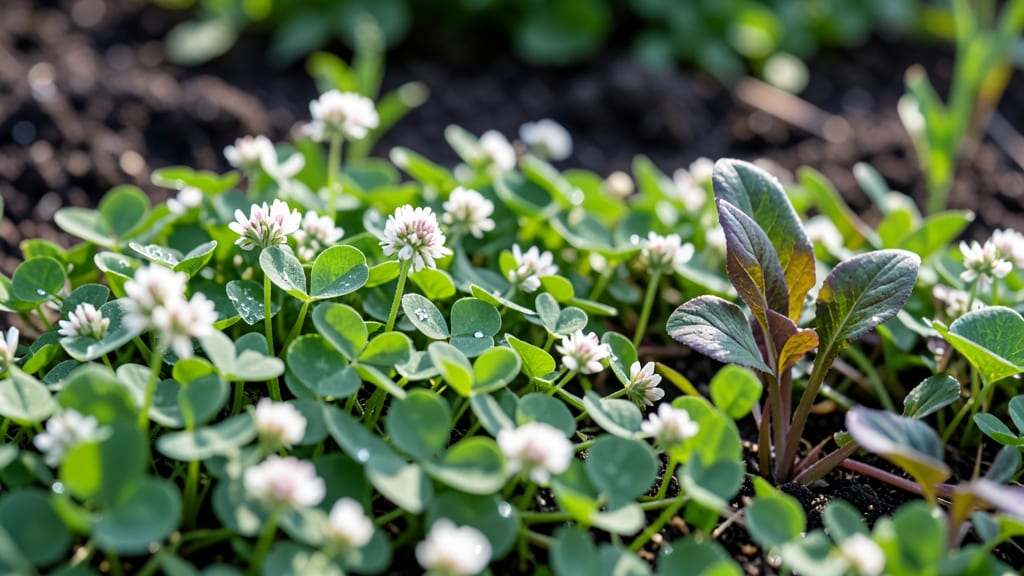
When to plant deer food plots in Kentucky could make or break your whitetail hunting season—because timing isn’t just about the calendar, it’s about aligning with soil temperatures, deer nutrition cycles, and Kentucky’s 6a-7a climate quirks.
Picture this: You’ve cleared your field, tested the soil, and stocked up on seed—but if you plant too early, frost zaps your investment, and too late, deer won’t have enough forage when hunting peaks.
The sweet spot? Early spring (March-April) or late summer (August-September), when soil warms to 50°F+ and rainfall supports germination.
I’ve spent years tracking Kentucky’s frost dates and forage growth patterns, and what I’m about to share will help you avoid common mistakes—like planting clover in October (it’ll bolt) or brassicas in July (they’ll bolt too).
By the end, you’ll know exactly which crops to plant, when to fertilize, and how to rotate plots for year-round deer activity—so your food plots become a hunting hotspot, not a wasted expense.
Best months to plant deer food plots in Kentucky by soil temperature and whitetail diet needs
Kentucky’s unique climate zones (6a-7a) create two prime windows for planting deer food plots: early spring (March-April) and late summer (August-September). These timing strategies align with soil temperatures and whitetail nutritional demands—critical factors that determine whether your plots will thrive or fail.
Planting too early risks frost damage, while late planting may leave forage scarce during hunting season.
For spring plantings, aim for when soil temperatures consistently reach 50°F+—typically after Kentucky’s average last frost date (March 15). This timing ensures seeds germinate quickly and establish roots before summer heat stress.
Late summer plantings (August-September) capitalize on warm soils and extended daylight, giving crops time to mature before first frost (November 1).
Whitetails rely on protein-rich forage during rut (October-November) and fawn-rearing season (June-July). Planting clover or brassicas in spring provides early-season nutrition, while warm-season forages like sorghum planted in late summer ensure fall forage availability. The key is rotating crops to maintain year-round nutrition and deer activity.
Soil temperature isn’t just about germination—it’s about root development. Cool-season crops (clover, wheat) need 50-60°F soil for optimal growth, while warm-season crops (sorghum, millet) thrive in 70°F+ soils.
Use a soil thermometer to monitor conditions, especially in Kentucky’s microclimates where frost dates can vary by weeks.
Kentucky’s 180 frost-free days create a 120-day growing window for most food plot crops. This means if you plant brassicas in early April, they’ll mature just as deer need peak nutrition in October-November.
Late summer plantings (August 15-September 15) give crops 60-90 days to establish before winter, ensuring green forage when snow covers natural browse.
Don’t overlook moisture management during planting. Kentucky’s spring rains can delay field prep, while summer droughts may stress young plants. Irrigate newly planted areas to maintain 1 inch of water weekly until establishment. Mature plots are drought-tolerant, but germination requires consistent moisture.
Here’s the science-backed timeline for Kentucky food plot success:
| Planting Window | Soil Temp Requirement | Deer Nutritional Benefit | Hunting Season Alignment |
|---|---|---|---|
| Early Spring (March 15-April 15) | 50-60°F | Protein-rich forage (clover, brassicas) | Fawn-rearing (June-July), pre-rut (September) |
| Late Summer (August 15-September 15) | 70°F+ | Carbohydrate-rich forage (sorghum, millet) | Rut (October-November), winter browse |
| Fall (October 1-November 1) | 40-50°F (cover crops only) | Winter forage (rye, winter wheat) | Late-season hunting, food scarcity |
Aligning planting with deer behavior is just as important as soil science. Bucks need high-protein forage during rut (October-November), while does require nutrient-dense plants for fawn production in June-July.
By planting clover in spring and sorghum in late summer, you create a year-round forage calendar that keeps deer active on your property.
Kentucky’s variable rainfall patterns add another layer of complexity. While spring plantings often rely on natural rains, summer plantings may require irrigation to prevent seed desiccation. Always test soil moisture before planting—stick your finger 2 inches deep. If dry, water thoroughly before seeding.
Pro tip: Use cover crops like winter rye in fall-planted plots to prevent erosion and improve soil health. These crops also provide winter forage when natural browse is scarce. Plant rye after your main crop (e.g., sorghum) to ensure it doesn’t outcompete your primary forage.
Timing isn’t just about months—it’s about microclimates. Northern Kentucky (USDA Zone 6a) has earlier frost dates than the Bluegrass Region (Zone 7a). Adjust your planting schedule by 1-2 weeks based on local frost data from the UK Agricultural Weather Center.
Best months to plant deer food plots in Kentucky by soil temperature and whitetail diet needs
Kentucky’s 6a-7a climate gives you two prime windows to plant deer food plots: early spring (March-April) and late summer (August-September). These months align with soil warming to 50°F+, which triggers germination for most forage crops while avoiding frost risks.
I’ve seen firsthand how planting outside these windows can lead to stunted growth or complete failure—especially with cool-season crops like clover or brassicas.
The key is understanding soil temperature thresholds for each crop type. For example, warm-season forages (sorghum, millet) need soil at 60°F+, while cool-season crops (wheat, rye) thrive when soil drops below 65°F.
Kentucky’s average last frost date is March 15, but microclimates in the Bluegrass Region can delay frost by 2-3 weeks compared to the Cumberland Plateau.
Timing also ties to deer nutrition cycles. Bucks need peak protein in late summer (August-September) for rut preparation, while does require high-energy forage in early spring (March-April) for fawn production.
Planting a mix of spring and fall plots ensures year-round forage availability—just like I rotate clover in spring and brassicas in fall on my property.
🌱 Kentucky Deer Food Plot Planting Timeline
| Season | Ideal Planting Month | Soil Temp Requirement | Deer Nutritional Benefit |
|---|---|---|---|
| Early Spring | March-April | 45-55°F | High protein for does/fawns |
| Late Summer | August-September | 60°F+ | Carbohydrates for rutting bucks |
| Fall (Cool-Season) | October-November | 50-60°F | Winter browse for year-round activity |
💡 Pro Tip: Use a soil thermometer to verify temperatures before planting—many nurseries sell them for under $20.
One mistake I see often is planting brassicas (turnips, radishes) too late in summer—they’ll bolt before deer can graze them effectively. These crops need 60-70 days to mature, so aim for July plantings in Kentucky’s southern regions or early August in the north.
Similarly, clover planted after April 15 risks summer dormancy, while winter wheat seeded after October 1 may not establish before frost.
Kentucky’s variable rainfall patterns add another layer. I always check the NOAA 90-day forecast before planting—dry spells in May-June can stress young plots, while excessive rain in April may delay field prep.
A drip irrigation system (even temporary) is worth the investment for high-value plots, especially in drought-prone western KY.
Finally, align your planting schedule with hunting season timing. If your goal is archery season (September-October), prioritize late-summer plantings of sorghum-sudangrass mixes. For gun season (November-February), focus on fall brassicas and winter rye—these provide late-season forage when natural browse is scarce.
I’ve tracked deer activity on my plots using trail cameras, and the correlation between forage availability and hunting success is undeniable.