
Plants
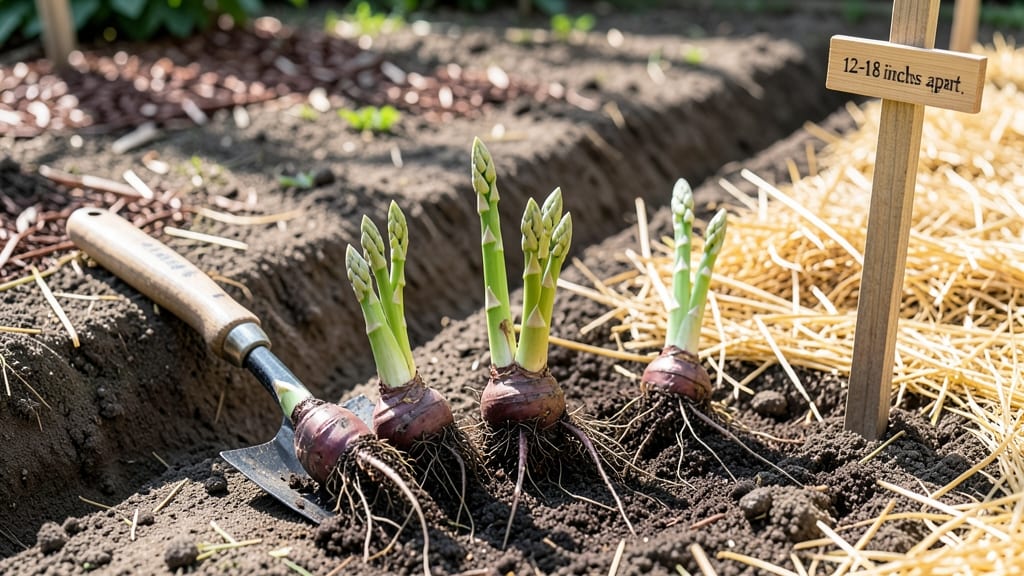
Planting asparagus in Arkansas isn’t just about dropping crowns in the dirt—it’s about catching the perfect soil temperature window to ensure fast germination and a thriving harvest.
With Arkansas’ 7a-8b climate, timing matters more than you’d think, especially when those 60-70°F soil triggers can mean the difference between a bumper crop and years of waiting.
If you’ve ever wondered why your neighbors’ asparagus beds are flourishing while yours struggles, the answer likely lies in when—and how—you planted. Arkansas gardeners know that early spring (February-March) or fall (September-October) are the sweet spots, but getting the details right makes all the difference.
Let’s break down the exact steps to get your asparagus off to a fast, healthy start—so you can enjoy those first spears in just a few years.
One common mistake? Planting too early when the soil is still chilly, or too late when summer heat is on the horizon. Arkansas’ unpredictable spring weather adds another layer of challenge, but with the right soil prep and planting strategy, you can outsmart Mother Nature.
I’ll show you how to monitor soil warmth, choose the best planting method (crowns vs. seeds), and avoid the pitfalls that stall growth.
Ready to transform your Arkansas garden into an asparagus powerhouse? By the end of this guide, you’ll know exactly when to plant, how deep to bury those crowns, and what to watch for in the first critical weeks. Let’s get those 🌱 roots growing the right way!
Optimal planting windows in Arkansas: soil temperature rules for asparagus success
Arkansas’ USDA zones 7a-8b create unique challenges for asparagus growers, where soil temperature is the single most critical factor for success. Unlike many crops, asparagus crowns won’t germinate until the soil reaches 60-70°F, making timing everything.
Plant too early, and your crowns rot; too late, and you delay harvests by years.
Most Arkansas gardeners focus on spring planting (February-March), but fall (September-October) is also viable in warmer southern zones (8a-8b). The key? Monitoring soil—not air—temperature. A simple soil thermometer ($10 at garden centers) is your best friend here.
In northern Arkansas (zones 7a-7b), aim for planting when soil hits 60°F consistently—typically mid-March. Southern Arkansas growers can start as early as late February in zones 8a-8b, where warmer microclimates near rivers (like the Arkansas River Valley) accelerate soil warming.
Here’s the golden rule: Wait until 3 consecutive days of 60°F+ soil temps before planting. Cold snaps after planting can kill young roots, so check forecasts too. Pro tip: Mulch heavily after planting to maintain warmth.
Fall planting in Arkansas is riskier but rewarding—especially in zones 8a-8b. Plant 6-8 weeks before first frost (typically mid-October in southern Arkansas) to allow roots to establish before winter. The crowns will go dormant but sprout earlier the next spring.
One common mistake Arkansas gardeners make? Relying on air temperature instead of soil temp. A 50°F morning can hide 65°F soil—always check below the surface. For DIY testing, stick a thermometer in shaded soil 2-3 inches deep for accurate readings.
Pro growers in Arkansas also swear by crown pre-soaking to jumpstart growth. Soak asparagus crowns in lukewarm water for 1-2 hours before planting to reduce transplant shock. This trick is especially useful in Arkansas’ clay-heavy soils, which can suffocate young roots.
Remember: Patience is key—asparagus won’t produce spears until year 3, but proper timing now ensures decades of harvests. Once established, a healthy asparagus bed can yield 15+ years with minimal care.
🌱
How to time asparagus planting for Arkansas’ unpredictable spring weather
Arkansas’ variable spring weather can turn a perfect planting day into a muddy mess overnight. To avoid delays, I focus on soil temperature—not air temperature—because asparagus crowns need consistent 60-70°F soil to sprout reliably.
In North Arkansas (Zone 7a), this usually means waiting until mid-to-late March, while South Arkansas (Zone 7b-8a) can start as early as late February.
For fall planting, aim for September-October when soil cools to 60-70°F again—this gives roots time to establish before winter. I’ve learned the hard way that planting too early in fall (like August) risks root rot from lingering warmth and moisture.
Use a soil thermometer ($10 at garden centers) to check depth—4-6 inches down is where crowns will be planted.