
Flowers
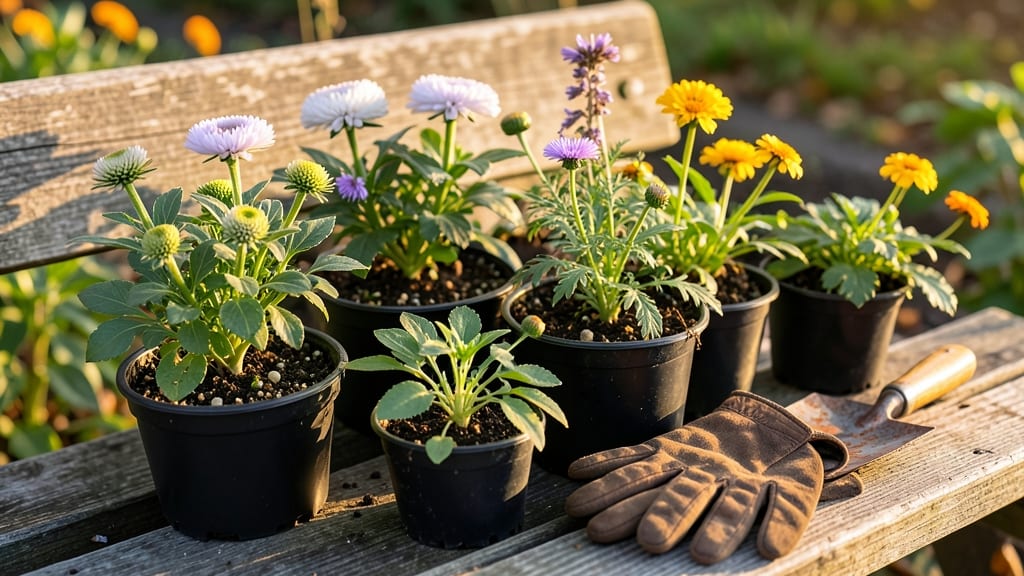
Knowing when to plant fall flowers in Georgia can make the difference between a vibrant garden and a frost-killed disappointment—especially when those first chilly nights creep in unexpectedly.
Georgia’s diverse climate means the perfect planting window varies from North to South, but getting it right ensures your garden stays colorful well into winter.
I’ve seen firsthand how a 2-week difference in planting can mean the difference between blooms and bare soil. Whether you’re in Atlanta’s cooler hills or Savannah’s milder coastal air, understanding your local frost dates is the key to success.
Let’s break down exactly when to plant for each region so you can enjoy those fall colors without the guesswork.
From chrysanthemums that thrive in cooler weather to hardy pansies that brave light frosts, the right flowers can extend your season beautifully.
But rushing too early or waiting too late can leave your garden looking sad—so we’ll cover the exact months and microclimates that work best for Georgia’s three main regions.
Ready to transform your fall garden into a showstopper? I’ll share the secrets to planting at the perfect time, plus pro tips to protect your blooms from Georgia’s unpredictable weather. Let’s get started!
Georgia’s frost-free planting window for fall flowers by region
Georgia’s fall planting window varies dramatically by region, thanks to its USDA hardiness zones 7a–8b and unpredictable frost patterns. North Georgia’s Atlanta area (Zone 7b) faces earlier frosts, while South Georgia’s Savannah (Zone 8a) enjoys milder conditions.
Timing is everything—plant too early, and your flowers bolt; too late, and frost nips them before blooming.
For annual flowers, aim to transplant 6–8 weeks before your average first frost. Perennials, like chrysanthemums, can handle cooler soil, giving you a slightly longer window. I’ve broken down the exact planting months for each region, plus critical last-call dates to avoid frost damage.
Here’s your region-specific planting timeline based on 30-year frost data from the National Weather Service. Use these as your non-negotiable deadlines for fall color.
| Region | USDA Zone | Avg. First Frost | Ideal Planting Window | Last-Call Date (Annuals) |
|---|---|---|---|---|
| North Georgia (Atlanta) | 7b | Nov 15–Dec 1 | Sep 1–Oct 15 | Oct 1 (hard freeze risk after) |
| Central Georgia (Macon) | 8a | Nov 20–Dec 5 | Sep 15–Oct 20 | Oct 15 (frost likely after) |
| South Georgia (Savannah) | 8b | Dec 1–Jan 10 | Sep 20–Nov 1 | Oct 31 (push limits to Nov 10) |
🌱 Pro Tip: Check your local Almanac frost dates—they update yearly!
If you’re in North Georgia, treat October 1 like a hard deadline. After that, even frost-tolerant pansies may struggle. In Central Georgia, you’ve got a little more wiggle room—October 15 is your cutoff—but watch for radiation frosts in sheltered valleys.
For South Georgia gardeners, you’re the lucky ones! You can often push planting into early November, especially near the coast where Gulf breezes delay frost. I’ve seen chrysanthemums bloom into mid-December in Savannah’s Zone 8b.
But here’s the catch: soil temperature matters more than air temperature. Even if nights dip into the 40s°F, your flowers will thrive if the soil stays above 50°F. Use a soil thermometer to confirm—60°F+ is ideal for transplanting.
One more critical note: perennials like salvia and asters can handle cooler soil and even light frosts. But tender annuals (think marigolds or zinnias) need to be in the ground at least 6 weeks before frost to establish roots.
Missed the window? Don’t panic. Container gardening lets you move potted flowers to protected microclimates (like near south-facing walls) for 2–4 extra weeks of blooms. I’ll cover frost-proofing hacks in the next section.
Best fall-blooming flowers for Georgia’s climate and their planting deadlines
Georgia’s fall garden thrives when you choose the right flowers—those that bloom boldly in cooler weather but can handle a light frost. My top picks include chrysanthemums, which burst into color as temperatures drop, and pansies, known for their frost tolerance and cheerful faces.
For a wild, natural look, asters and salvia add height and texture, while calendulas brighten up shady spots with their golden blooms.
Each of these flowers has a specific planting window to ensure they establish roots before the first frost. For example, chrysanthemums need to be planted 6–8 weeks before your average first frost date, while pansies can handle a little more flexibility.
Let’s dive into the exact deadlines for each region so you can plan your fall garden like a pro.
🌱
- Chrysanthemums – Plant 8–10 weeks before frost (August–early September in North Georgia, September in Central/South). Thrives in full sun and blooms until hard frost. Pro tip: Deadhead spent blooms to encourage more flowers.
- Pansies – Transplant 6–8 weeks before frost (late August–early October). Handles light frost and blooms until winter. Best for: Containers, borders, and edging.
- Asters – Plant 4–6 weeks before frost (September–early October). Loves part sun and attracts pollinators. Perfect for: Wildflower gardens and meadow-style plantings.
- Salvia – Sow or transplant 8–10 weeks before frost (August–September). Drought-tolerant once established. Bonus: Hummingbirds adore its spikes of color.
- Calendulas – Plant 6–8 weeks before frost (late August–early October). Edible petals add a pop of color. Great for: Shady spots and companion planting with veggies.
- Sweet Alyssum – Transplant 4–6 weeks before frost (September–October). Fragrant and frost-resistant. Ideal for: Hanging baskets and ground cover.
- Mums (Chrysanthemums) – Last-minute option: Plant 3–4 weeks before frost (late September–October) for quick blooms. Note: Use frost cloth if temps drop below 25°F.
If you’re in North Georgia (Atlanta area), aim to plant most annuals by mid-September to avoid early frosts. In Central Georgia (Macon), you’ve got a little more time—late September to early October works well.
Meanwhile, South Georgia (Savannah) gardeners can push planting to October thanks to its milder climate.
For perennials like black-eyed Susans or coneflowers, plant in early fall (August–September) so they establish roots before winter. These tough guys will reward you with years of blooms with minimal effort. Just remember: soil prep is key—amend with compost to give them a strong start.
Timing isn’t just about the calendar—it’s about reading your garden’s cues. Watch for soil warmth (ideal temps are 60–70°F) and nighttime temperatures. If nights dip below 50°F consistently, it’s time to plant frost-tolerant varieties or use row covers for extra protection.