
Planting
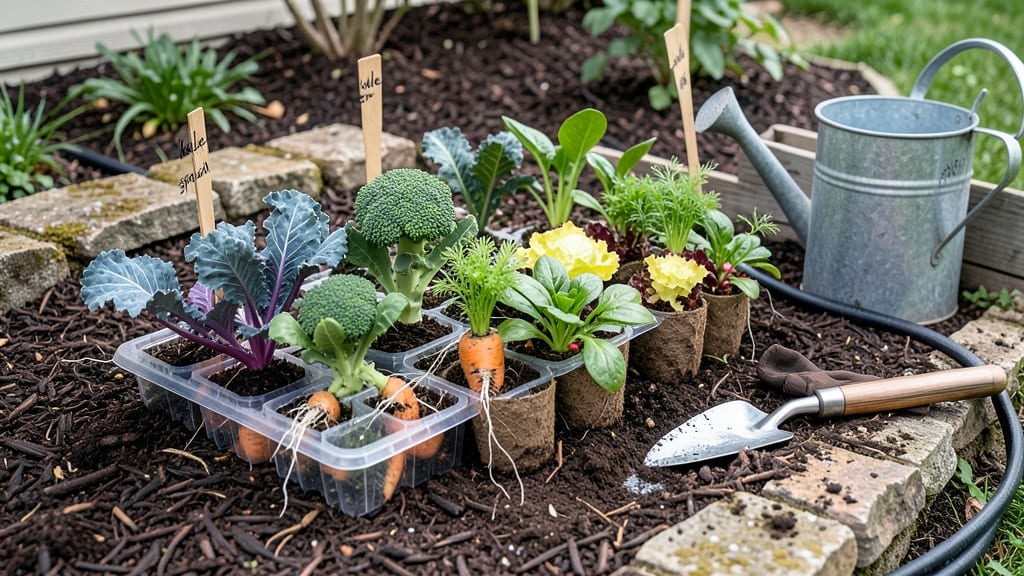
If you’ve ever watched your summer garden wilt under South Texas’ brutal heat, you’re not alone—but when to plant a fall garden in South Texas doesn’t have to be a gamble.
The key to success lies in knowing exactly when to plant those heat-resistant 🥬 varieties so they thrive before winter sets in.
Planting too early means seedlings struggle in the lingering summer heat, while waiting too long risks missing the 6-8 week window before the first frost. The good news?
With the right timing—typically between mid-August and October—you can grow a lush harvest of okra, sweet potatoes, and collards that beat the heat.
I’ll break down the perfect planting schedule for your region, including which crops handle 90°F+ temps best and how to prep your soil for maximum success. Let’s turn those South Texas summers into your fall garden’s secret weapon.
Ready to skip the guesswork? Here’s how to time your planting for a harvest that lasts from October through December—no more wasted seeds or wilted dreams.
Best exact months to plant a fall garden in South Texas by region
South Texas gardeners face a unique challenge: the summer heat lingers longer than in most regions, making traditional fall planting windows tricky. But with the right timing, you can still grow a thriving garden.
The key is understanding your microclimate—whether you're in urban San Antonio, coastal Corpus Christi, or rural Rio Grande Valley. Each area has slightly different heat thresholds and frost risks.
For South Texas (USDA zones 9a-10a), the optimal planting window starts in late August and extends through early October. This timeline gives crops time to establish roots before cooler weather arrives.
However, if you live in areas like the Rio Grande Valley, where heat lingers until mid-October, you may need to adjust your schedule slightly.
Here’s the breakdown of when to plant based on your specific region in South Texas:
| Region | Best Planting Window | Heat Threshold | Key Crops |
|---|---|---|---|
| Urban (San Antonio, Austin) | Late August - Early September | Below 90°F afternoons | Okra, Malabar spinach, sweet potatoes |
| Coastal (Corpus Christi, Galveston) | Early September - Mid-September | Below 88°F afternoons | Black-eyed peas, cowpeas, collards |
| Rio Grande Valley (Brownsville, McAllen) | Mid-September - Early October | Below 95°F afternoons | Sweet potatoes, okra, peanuts |
If you’re planting in August, focus on heat-resistant varieties like okra and sweet potatoes. These crops can handle the lingering summer heat while still producing a fall harvest. Start seeds indoors or use shade cloth to protect young seedlings from the intense afternoon sun.
For those in coastal areas, humidity plays a role in your planting schedule. Coastal regions tend to stay warmer longer, so aim for early September to avoid fungal diseases that thrive in damp conditions. Choose crops like cowpeas or peanuts, which tolerate both heat and humidity.
By mid-September, temperatures begin to drop, making it safer to plant more traditional fall crops like kale, collards, and broccoli. These cooler-season crops will thrive as the weather cools, giving you a dual harvest of heat-tolerant and cool-season vegetables.
One critical mistake is waiting until October to plant. While some crops like spinach and lettuce can still be direct-sown, they may not have enough time to mature before the first frost, which can occur as early as December 1st in some areas.
Plan ahead and prioritize fast-maturing varieties if you’re planting late.
To maximize your fall garden’s success, monitor your local frost dates and adjust your planting schedule accordingly. The National Weather Service or local agricultural extensions can provide up-to-date frost predictions for your specific area. With the right timing, you’ll enjoy a bountiful harvest well into winter.
Top 7 heat-resistant vegetables that thrive in South Texas fall planting
Fall gardens in South Texas demand heat-tolerant crops that can handle lingering summer temperatures while still thriving. These 7 powerhouse vegetables are perfect for your region’s 90°F+ days and extended growing season. They’re not just survivors—they’re high-yield producers that reward your effort with bountiful harvests.
My top pick? Malabar spinach, a tropical green that loves heat and humidity. It’s a leafy green powerhouse that stays crisp even when other greens bolt. Pair it with black-eyed peas, which thrive in the 90°F+ soil South Texas often delivers in early fall.
These peas are drought-resistant and nitrogen-fixers, improving soil health as they grow.
🌱 Heat-Resistant Vegetables for South Texas Fall Gardens
Don’t overlook okra, another heat-loving staple that produces pods even when temperatures flirt with 100°F. For a nutrient boost, add cowpeas—they’re drought-resistant and fix nitrogen in the soil.
My favorite late-season pick? Peanut Butter Peas, a peanut-flavored legume that thrives in South Texas’ heat and adds a unique twist to your harvest.
Each of these crops has a specific planting window to maximize yield. For example, Malabar spinach and black-eyed peas should go in by mid-September to avoid bolting, while sweet potatoes need a longer growing season and should start in late August.
Adjust your schedule based on your local microclimate—coastal areas may stay warmer longer than inland zones.
Pro tip: Pair these heat-resistant veggies with shade cloth if planting in peak August heat. Even a 30% shade cover can protect seedlings while still allowing enough light for growth. Once established, most of these crops will thrive without extra shade, especially once temperatures dip below 90°F.
Ready to dive deeper? Check out my soil prep tips for fall planting—because even the hardiest crops need the right foundation to shine. Start with a soil test and amend with compost