
Plants
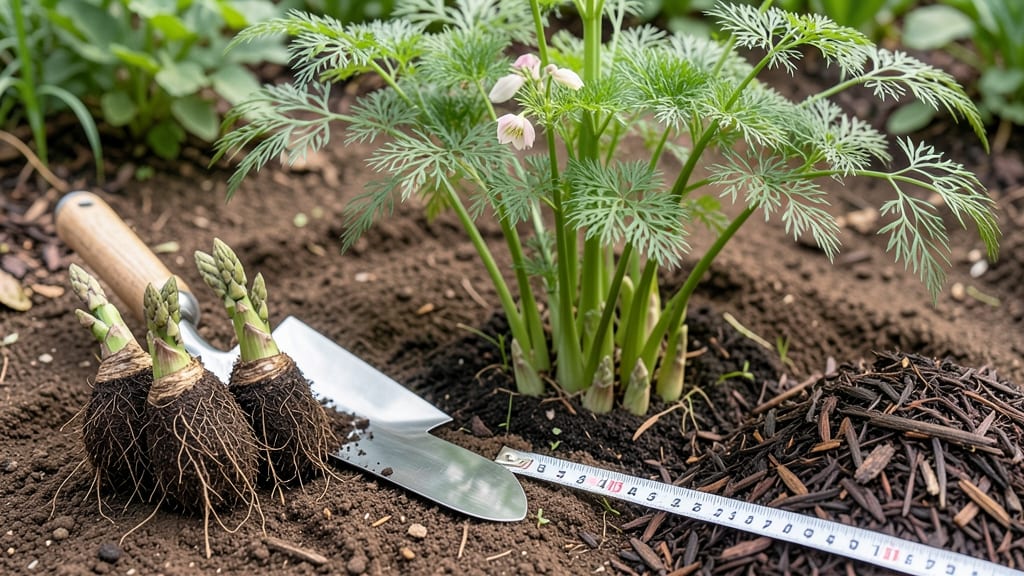
Planting asparagus in Zone 9 isn’t just possible—it’s your ticket to a homegrown harvest that lasts for years if you nail the timing. Unlike cooler climates, Zone 9’s frost-free winters and scorching summers demand a different approach, but the payoff is worth it.
Most gardeners make one critical mistake: planting too early or too late, which stresses the crowns before they establish strong roots. The sweet spot? Late winter—specifically January or February—when soil temperatures are cool but not freezing, giving your asparagus 🌱 the best chance to thrive before summer heat arrives.
Here’s the game-changer: heat-resistant varieties like ‘Jersey Knight’ or ‘Pacific 2000’ are designed to handle Zone 9’s intensity, but even they need the right start. I’ll break down the exact months to plant, how to prep your soil for summer survival, and why coastal vs. inland microclimates matter.
Ready to grow asparagus that outlasts the heat? Let’s dive into the step-by-step strategy that’ll have you harvesting spears in just a few seasons—no guesswork, no failures.
Optimal planting months for asparagus in Zone 9: exact timing for heat-resistant success
Zone 9’s frost-free climate means asparagus thrives year-round—but timing matters. Unlike cooler zones, you’ll avoid summer heat stress by planting crowns in late winter or early spring, when soil temps stay between 40°F and 70°F.
This window (January–March) ensures roots establish before the real heat arrives, preventing crown rot or drought damage.
Most gardeners in Zone 9 plant asparagus crowns in January or February, but coastal areas (like San Diego) can extend this to early March. Inland zones (e.g., Phoenix) should plant by late January to avoid May’s 100°F+ soil temps, which stunt growth.
Think of it as a race against the heat—plant too early, and roots sit idle; too late, and spears bolt before harvest.
Soil temperature is your #1 guide. Use a soil thermometer to confirm 50°F+ at 4-inch depth before planting.
In Zone 9, this typically aligns with late January to mid-February, just as daytime highs creep toward the 70s. Pro tip: Amend sandy soils with compost or coconut coir to retain moisture during the critical first 60 days.
Here’s the month-by-month breakdown for Zone 9 asparagus planting success:
| Month | Soil Temp (°F) | Planting Window | Key Consideration |
|---|---|---|---|
| January | 45–60°F | ✅ Ideal (cooler nights) | Lowest heat stress; roots establish before March heatwave. |
| February | 50–70°F | ✅ Ideal (best balance) | Soil warms enough for root growth; avoid planting after Feb 20. |
| March | 65–85°F | ⚠️ Risky (coastal only) | Only for coastal Zone 9; inland areas risk summer drought. |
| April–May | 80–100°F | ❌ Avoid (heat shock) | Spears bolt; crowns suffer root burn. |
Fall planting is a common myth in Zone 9—don’t fall for it. While cooler zones plant in autumn, Zone 9’s mild winters (50–75°F) mean crowns won’t dormancy properly, leading to fungal diseases like Phytophthora. Instead, focus on January–February and prioritize well-draining soil with a pH of 6.5–7.5.
Microclimates matter. Inland desert areas (e.g., Palm Springs) need shade cloth during summer to protect new spears, while coastal zones (e.g., Santa Barbara) can skip this. Test your soil’s drainage first—Zone 9’s clay-heavy soils often need gypsum or perlite to prevent waterlogging, which kills asparagus roots in 48 hours.
Watering strategy shifts with the seasons. After planting, deep-water every 3–4 days until spears emerge (6–8 weeks). Once established, reduce to weekly deep soaks—Zone 9’s summer droughts can dry soil to bone-dry in 24 hours.
Mulch with straw or wood chips to lock in moisture and keep soil temps 10°F cooler.
First-year yields are minimal—focus on root development. Harvest zero spears in Year 1 to avoid stunting the crown. In Year 2, harvest 5–10 spears max, then let the plant recover. By Year 3, you’ll see full production if planted in January, with harvests spanning March–May.
Zone 9’s long growing season means asparagus can produce year-round with proper care. After the initial spring harvest, some varieties (like 'Pacific 2000') regrow in fall if given consistent water and light fertilizer.
The key? Planting in January–February sets you up for decades of harvests, not just one season.
Optimal planting months for asparagus in Zone 9: exact timing for heat-resistant success
Zone 9’s frost-free winters and intense summer heat make timing everything when planting asparagus. Unlike cooler climates, you’ll want to avoid planting during the hottest months—June through September—when soil temperatures can exceed 85°F (29°C), shocking the crowns.
Instead, focus on late winter to early spring, when soil temps hover between 40°F and 60°F (4°C–15°C), giving roots time to establish before summer stress hits.
The absolute best window is January through February, but if you miss that, December or early March still work—just be prepared to provide extra shade during peak summer.
My top recommendation? Plant in January for the most reliable results, especially in inland Zone 9 areas where heat ramps up faster than coastal regions.
Here’s the month-by-month breakdown of soil conditions and heat tolerance for asparagus crowns in Zone 9:
| Month | Soil Temp (°F) | Heat Risk | Planting Window | Notes |
|---|---|---|---|---|
| January | 50–60°F (10–15°C) | Low | ✅ Ideal | Cool soils; minimal stress. |
| February | 55–65°F (13–18°C) | Low | ✅ Ideal | Best balance of warmth and moisture. |
| March | 60–70°F (15–21°C) | Moderate | ⚠️ Possible (with shade) | Risk of early heat spikes. |
| April | 70–80°F (21–27°C) | High | ❌ Avoid | Soil too hot; crowns may rot. |
| December | 45–55°F (7–13°C) | Low | ✅ Good (cooler microclimates) | Slower growth; better for coastal areas. |
Pro tip: If you’re in a coastal Zone 9 (like Southern California), you can push planting into early March thanks to cooler ocean breezes. But inland gardeners?
Stick to January or February to avoid summer heat stress. I’ve seen firsthand how asparagus planted in April wilts by June—don’t make that mistake!
Once you’ve picked your month, the next critical step is soil prep. Zone 9 soils often struggle with poor drainage or sandy textures, both of which can kill asparagus crowns. Amend your soil with compost and organic matter to improve moisture retention and aeration.
Aim for a pH between 6.5 and 7.5, and consider raised beds if your native soil is heavy clay.
After planting, mulch heavily with straw or wood chips to keep roots cool and retain moisture. This is non-negotiable in Zone 9—without it, your asparagus will struggle to survive the first summer.
With the right timing and soil prep, you’ll be harvesting spears in just 2–3 years—not the 5+ years many gardeners expect.