
Plants
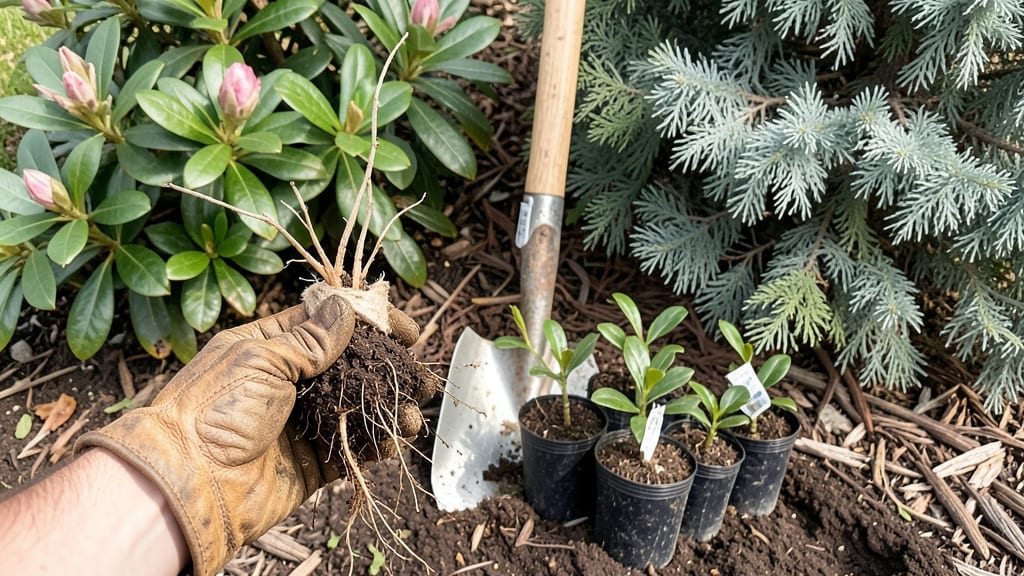
Knowing when to plant evergreens in Zone 6 can mean the difference between a lush, year-round green landscape and struggling plants that never quite thrive.
These hardy 🌲 trees and shrubs need precise timing to establish strong roots before winter stress sets in, and getting it wrong often leads to disappointment.
In Zone 6, where frost can arrive as early as mid-October, soil temperature becomes the most critical factor. Planting too soon means roots struggle in cold soil, while waiting too long risks insufficient growth before winter dormancy.
The sweet spot? Aim for soil temperatures consistently above 50°F—typically late April through early June—when frost risk drops below 20%.
But timing isn’t one-size-fits-all. Needle evergreens like pines and spruces can handle slightly cooler soil, while broadleaf varieties like rhododendrons need warmer conditions to avoid winter burn.
I’ll break down the exact windows for each type and how to adjust based on your microclimate—whether you’re dealing with urban heat islands or frost pockets.
Let’s dive into the soil science and seasonal strategies that will help your evergreens take root with confidence, so you can enjoy their vibrant foliage year after year without the guesswork.
Zone 6 evergreen planting timeline: soil temperature triggers by month
Evergreens thrive in Zone 6 when planted during specific soil temperature windows—typically between 50°F and 60°F. This range ensures roots establish before winter stress arrives. Most gardeners focus on air temperature, but soil warmth is the real game-changer for evergreen success.
For needle evergreens like pines and spruces, aim to plant when soil hits 50–55°F consistently. Broadleaf varieties such as rhododendrons and azaleas need slightly warmer soil at 55–60°F. Boxwoods and hollies fall in between, preferring 50–55°F but with slightly more frost tolerance.
Here’s the key: plant 6–10 weeks before your first frost date. In Zone 6, this usually means late April through early June. However, microclimates can shift this window by weeks—more on that later.
| Evergreen Type | Optimal Planting Window | Soil Temp Requirement | Frost Risk Threshold | Root Establishment Timeline |
|---|---|---|---|---|
| Needle Evergreens (Pine, Spruce, Fir) | Late April–early June | 50–55°F (10–13°C) | <20% chance | 6–8 weeks before first frost |
| Broadleaf Evergreens (Rhododendron, Azalea) | Early May–mid June | 55–60°F (13–16°C) | <15% chance | 8–10 weeks before first frost |
| Boxwood & Holly | Mid April–early June | 50–55°F (10–13°C) | <25% chance | 5–7 weeks before first frost |
Pro tip: Use a soil thermometer to verify temperatures before planting. Stick it 6 inches deep—this is where roots will establish. If your soil is colder than recommended, wait 7–10 days for consistent warmth.
Fall planting is also an option in Zone 6, but it requires planting 6 weeks before your first frost. This gives roots time to establish before winter dormancy sets in. However, fall-planted evergreens need extra mulch (3–4 inches) to insulate roots.
For Zone 6b (colder microclimates), err on the side of earlier planting (late April). In Zone 6a (warmer microclimates), you can safely plant until early June. Always check your local frost dates—Zone 6 averages 165 frost-free days, but this varies by location.
Remember: Needle evergreens like pines and spruces are hardier and can handle slightly colder soil, while broadleaf evergreens like rhododendrons need warmer conditions to thrive. Match your planting window to the specific type you’re growing.
🌲
5 Critical signs you’re planting evergreens too early (or too late) in Zone 6
Planting evergreens in Zone 6 at the wrong time can lead to stunted growth or even death. One of the first red flags is needles turning brown within 2 weeks of planting. This usually means the soil temperature is still too cold, preventing roots from establishing properly.
Another warning sign is soil heaving around roots during winter. This happens when you plant too late, leaving insufficient time for roots to anchor before freezing. Mulch can help, but the damage is often already done by the time you notice.
Soil too cold (below 50°F)
Planting too late (less than 6 weeks before frost)
Poor drainage or incorrect planting depth
Wrong species for Zone 6b/c
Too much sun exposure before frost hardiness
If you notice root flare issues, act immediately by adjusting the planting depth and amending the soil with compost. A buried root flare can strangle roots and prevent proper nutrient uptake, leading to long-term problems.
For slow growth after two years, the issue might be the species itself. Some evergreens, like 'Emerald Green' Arborvitae, thrive in Zone 6, while others struggle. Consider replacing non-performing plants with cold-hardy varieties better suited to your microclimate.
Finally, winter burn is a common issue when evergreens are planted in full sun without adequate watering before frost. Brown needle tips in spring are a clear sign your plants need more protection during winter months.
By watching for these critical signs, you can adjust your planting schedule and care routine to ensure your evergreens thrive in Zone 6’s challenging climate. 🌲