
Plants
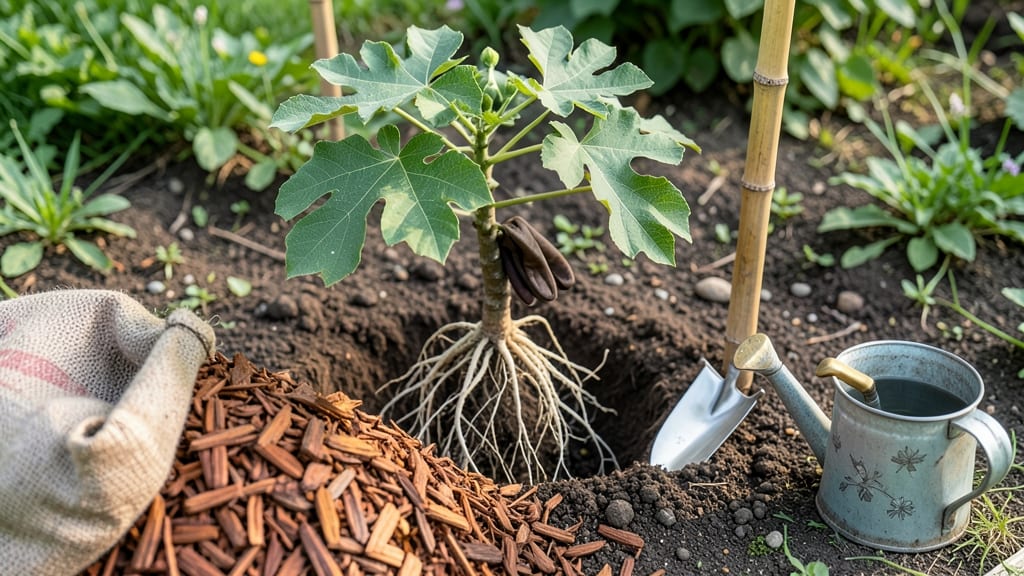
Timing your Fig Tree 🍈 planting in New York isn’t just about avoiding frost—it’s about giving its roots the fast start they need to thrive in your 5b-7b zone.
Plant too early, and you risk stunted growth from cold soil; too late, and your tree might struggle to establish before winter hits.
Most gardeners in New York wait until late April to May, when soil temperatures consistently hit 55°F+—the magic threshold for root growth. This window aligns perfectly with NYC’s average last frost date (April 15), giving your Fig Tree 🍈 a head start before summer’s heat arrives.
But here’s the game-changer: soil warmth matters more than calendar dates. I’ll show you how to test your soil’s readiness and choose the right varieties—whether you’re planting in containers or ground—to ensure your tree grows stronger and produces fruit faster.
Let’s dive into the exact steps to time your planting for maximum success, so you can enjoy homegrown figs from August to October without the guesswork.
Best planting windows for fig trees in New York based on soil temperature
New York’s USDA zones 5b-7b create a tricky balance for fig trees—too early, and frost zaps tender roots; too late, and summer heat arrives before roots establish. The golden window is when soil warms to 55°F+ consistently, typically late April to mid-May across most of the state.
This timing aligns with last frost dates: NYC (April 15), Long Island (April 20), and Upstate (May 1-15).
For container-grown figs, you can push planting to early June since pots warm faster, but ground-planted trees need that 60-day head start before winter. Fall planting (September) is risky unless you’re in zone 7b+ with mild winters—most NY regions see first frost by October 15, leaving little time for root establishment.
Here’s how microclimates shift planting windows: Urban NYC (zone 7a) can plant 2 weeks earlier than Buffalo (zone 6a), where May 15 is safer. Sheltered south-facing slopes add 1-2 weeks of warmth, while low-lying areas delay planting by 10-14 days due to lingering cold.
🌱
| Region | USDA Zone | Last Frost | Best Planting Window | Soil Temp Threshold |
|---|---|---|---|---|
| NYC/Long Island | 7a-7b | April 15 | Late April - May 1 | 55°F+ (consistent) |
| Hudson Valley | 6b-7a | April 25 | May 1-15 | 57°F+ (slower warming) |
| Upstate (Albany) | 6a-6b | May 10 | May 15-31 | 59°F+ (cold pockets) |
| Buffalo/Rochester | 5b-6a | May 15 | June 1-15 (containers only) | 60°F+ (late season) |
For cold-hardy varieties like ‘Chicago Hardy’, you can plant 2 weeks earlier in zones 6a-6b, but even these need mulch protection (4-6 inches of straw) to survive winter. Tender varieties (e.g., ‘Brown Turkey’) must wait until soil hits 60°F+ and should be container-grown for winter relocation.
Pro tip: Use a soil thermometer to confirm warmth—55°F at 6 inches deep is your cue. If temps dip below 50°F at night, delay planting or use row covers for young trees. Root establishment in the first 60 days determines winter survival, so don’t rush!
🌿
If you’re in zone 7b+ (e.g., NYC outskirts), fall planting in September can work if you water deeply and mulch heavily—but this is high-risk for most NY gardeners.
For container figs, move pots to a garage or basement before 40°F nights to prevent root damage. Ground-planted trees need 3-4 inches of mulch by October to insulate roots.
🪴
Remember: Fig trees hate soggy soil. In clay-heavy NY soils, amend with sand or perlite to improve drainage. Raised beds warm up 2-3 weeks faster than in-ground planting, making them ideal for Upstate NY gardeners.
And if you’re in a rental or urban space, large containers (15+ gallons) let you grow figs successfully year after year.
How to test soil warmth and prepare for fig tree planting in NY
Before you rush to the nursery for your fig tree 🍈, testing your soil’s warmth is the secret to giving those roots the perfect launch. Fig trees need soil temperatures of at least 55°F to activate root growth—cold soil can stall their development for weeks.
In New York’s 5b-7b zones, this often means waiting until late April or May, but your exact timing depends on your microclimate.
I’ve found that using a simple soil thermometer (just $10 at garden centers) is the most reliable way to check. Stick it 2-3 inches deep—where your fig’s roots will be—and wait 30 minutes for an accurate reading.
If it’s below 55°F, your tree’s roots will struggle to establish, leaving it vulnerable to late frosts or drought stress.
🌱 Pro Tip: Test soil warmth at 10 AM on a sunny day—this gives you the highest reading. If your soil is still chilly, consider starting your fig in a container with bottom heat (like a heated mat) to jumpstart growth while you wait for ground conditions to improve.
Once your soil hits the 55°F threshold, it’s time to prep the planting site. Fig trees hate soggy roots, so amending your soil with compost and coarse sand (or perlite) improves drainage.
I mix in a 2-inch layer of compost and 10% sand for heavy clay soils common in Upstate NY. For containers, use a well-draining potting mix with added perlite.
🪴 Container Hack: If you’re growing in pots, add a 1-inch layer of gravel at the bottom for extra drainage. This mimics the rocky Mediterranean soils figs thrive in naturally. Just avoid over-potting—fig roots need room to spread, but they’ll outgrow a 5-gallon container in 2-3 years.
Finally, choose a spot with full sun (6+ hours daily) and protection from winter winds. In NYC’s urban areas, south-facing walls or rooftop gardens work well. If you’re in colder zones like USDA 5b, plant near a south-facing foundation to absorb heat.
With these prep steps, your fig tree will establish roots 3x faster and reward you with fruit by August.