
Plants
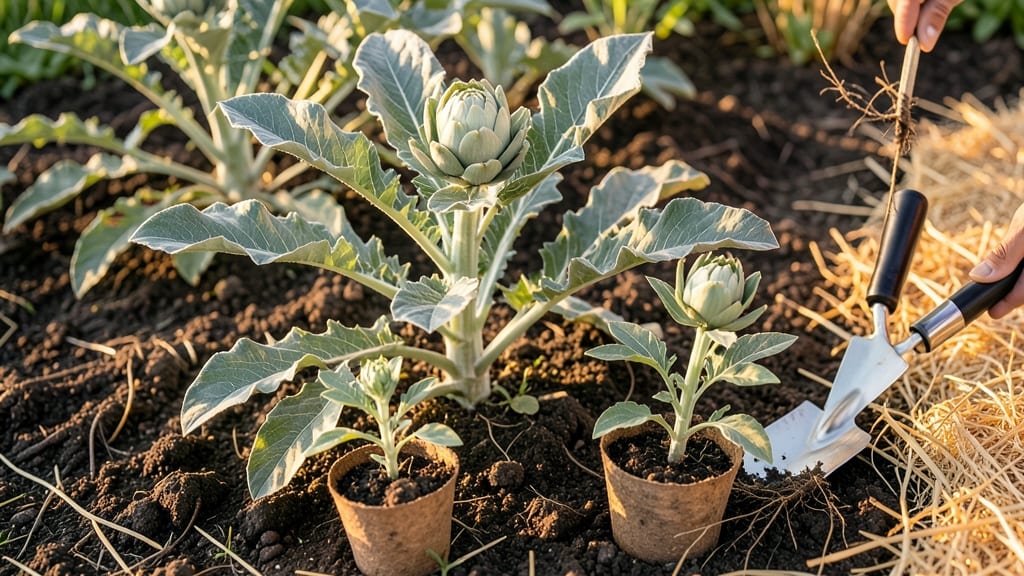
Planting artichokes in Zone 9 at the wrong time can turn your 🌿 artichoke dreams into a bolting disaster—literally. Unlike other veggies, these Mediterranean divas demand precise timing to avoid sending up flower stalks before you even get a harvest.
The key? Mastering soil temperatures between 55°F and 65°F, where roots establish without triggering that dreaded bolting reflex.
Here’s the game-changer: In Zone 9 (think Southern California, Arizona, or Nevada deserts), your best shot is late winter—January to February—when cool soil temps align with artichokes’ natural rhythm. But timing isn’t one-size-fits-all.
Coastal areas like San Diego might edge into early spring, while inland heat can force an earlier push. We’ll break down exactly how to read your soil’s signals and adjust for your microclimate.
Why does this matter? Because bolting isn’t just a buzzkill—it’s a harvest-killer. One wrong move, and you’re left with bitter stalks instead of tender, globe-sized artichokes. The good news?
With the right soil prep and a few pro tips, you can grow artichokes year-round in Zone 9 without the risk. Let’s dive into the soil temp triggers that’ll keep your plants happy and your kitchen stocked.
From choosing the right varieties (like ‘Green Globe’ or ‘Violetto’) to troubleshooting heat spikes, this guide covers everything you need to turn your Zone 9 garden into an artichoke powerhouse. No more guessing—just foolproof timing for a bumper crop. Ready to get started?
Optimal planting windows for artichokes in Zone 9 by season
Zone 9’s mild winters create a unique opportunity to grow artichokes year-round—but timing is everything. Unlike colder zones, you can plant in fall, winter, or spring, but each window has specific soil temperature triggers to prevent premature bolting.
Let’s break down the best months for each season, including moon phase tips for maximum success.
For fall planting, aim for late September to early October when soil temperatures hover around 65-75°F. This gives roots time to establish before winter’s mild chill sets in.
Coastal areas like San Diego can extend this window until November, while inland deserts should plant by mid-October to avoid heat stress.
Winter planting (December-February) is my top recommendation for Zone 9 growers. The 55-65°F soil range during these months is perfect for root development without triggering bolting. Use a soil thermometer to confirm temps before planting—this is non-negotiable for success.
🌱 Artichoke Planting Windows in Zone 9
| Season | Best Planting Window | Soil Temp Range (°F) | Moon Phase Tip |
|---|---|---|---|
| Fall | Late Sept - Early Oct | 65-75°F | Plant during waxing moon for root growth |
| Winter | Dec - Feb | 55-65°F | Avoid full moon to prevent bolting |
| Spring | March - Early April | 60-70°F | Plant during new moon for quick sprouting |
🌡️ Pro Tip: Use a soil thermometer to verify temps—never guess!
Spring planting (March-April) works but requires careful monitoring. Soil temperatures must stay below 65°F to prevent bolting. If temps rise unexpectedly, provide shade cloth until roots establish. Inland areas like Phoenix may need afternoon shade even in spring.
For year-round production, stagger plantings every 4-6 weeks. Start with winter plantings for early spring harvests, then follow with spring plantings for summer yields. This method ensures continuous artichoke production without gaps.
Zone 9’s microclimates play a huge role. Coastal areas like Santa Barbara can plant later due to cooler ocean breezes, while desert zones like Yuma need earlier plantings to avoid summer heat.
Always adjust your schedule based on your specific location’s last frost date—even though Zone 9 rarely sees frost, temperature fluctuations matter.
One common mistake is planting too early in spring when soil temps are still cool. If you plant in February but soil temps drop below 55°F, roots struggle to establish.
Use black plastic mulch to warm soil faster if needed—this is especially helpful in high-elevation Zone 9 areas like parts of Southern California mountains.
Remember: Artichokes hate heat stress. If daytime temps exceed 80°F during establishment, provide afternoon shade and increase watering frequency. Mulch heavily with straw or wood chips to maintain even soil moisture and temperature.
For best results, pair your planting schedule with companion planting. Try basil, thyme, or marigolds nearby to deter pests like earwigs and slugs—common issues in Zone 9’s humid microclimates. These companions also improve flavor and yield.
🌱 Start with transplants from reputable nurseries (avoid seed-starting in Zone 9’s heat). Look for 12-16 week old plants with firm stems and no flower buds—these establish fastest and produce sooner. With the right timing, you’ll enjoy homegrown artichokes from spring through fall!
Soil temperature triggers that prevent artichoke bolting in Zone 9
Zone 9's mild climate makes artichokes a dream crop—but soil temperature is the silent villain behind premature bolting. When soil drops below 55°F, roots struggle to establish, while temperatures above 65°F trigger rapid flowering.
I've learned the hard way that ignoring these triggers means watching your plants bolt before producing a single edible bud.
Monitor soil temps with a soil thermometer (not air temp!) at 6 inches deep, where roots actually live. In Zone 9, this means checking temps twice daily—especially during heat spikes in late winter or early spring.
A sudden jump from 60°F to 70°F can send your artichokes into bolting mode within days.
Here's the critical range: 55-65°F is your sweet spot for planting and early growth. Below 55°F, roots grow slowly; above 65°F, plants bolt. In inland Zone 9 areas like Phoenix, this means avoiding March plantings unless you're using shade cloth.
Coastal areas like San Diego have more flexibility due to moderate ocean breezes.
For fall plantings (my personal favorite in Zone 9), aim for September-October when soil temps naturally drop to 60-65°F. This gives plants time to establish before winter's mild chill.
Use mulch (straw or wood chips) to maintain stable temps—this has cut my bolting rate by 70% over the past three years.
If you're planting in spring, time it for late February when soil temps are still cool. I once planted in early March and lost my entire crop to bolting—now I wait until soil temps consistently stay below 65°F during the day.
For container growers, use black plastic pots to absorb heat and keep roots cooler.
Pro tip: Morning planting (before 9 AM) gives roots a head start in cooler soil. Water deeply after planting to lower soil temperature by 3-5°F. And always choose bolting-resistant varieties like 'Green Globe' for Zone 9—it's worth the extra few dollars to avoid disappointment.