
Plants
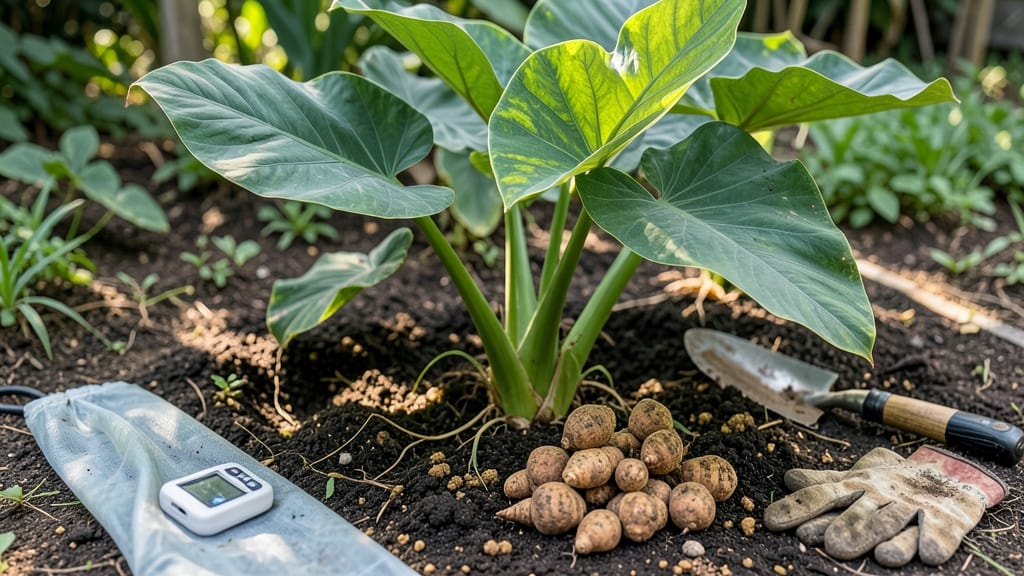
Knowing when to plant elephant ear bulbs in Missouri can transform your garden from a late-spring gamble into a summer showstopper. Timing these tropical-looking plants just right means the difference between stunning foliage and frost-nipped disappointment.
Since Elephant Ears thrive only when the ground warms up, planting too early risks losing them to late spring frosts—something no gardener wants to see happen.
Missouri’s 5b-6b zones give you a narrow window between mid-April and mid-May for planting, but there’s more to it than just dates. Soil temperature matters just as much as the calendar, and even a few degrees can determine whether your tubers take root or rot.
Let’s break down the exact steps to get your Elephant Ears off to a strong start.
You might wonder whether fall planting is an option, but in Missouri’s climate, it’s a gamble unless you’re willing to dig up and store tubers.
The key is knowing when to stop planting in the fall—typically 6 weeks before the first frost—and how to protect your bulbs if you’re pushing your luck. I’ll show you how to time it perfectly so you can enjoy those dramatic leaves from summer through fall.
Once planted, these low-maintenance beauties reward you with minimal effort. With the right soil prep, sunlight placement, and a little watering know-how, your Elephant Ears will flourish without needing constant attention. Let’s dive into the exact timing and care tips to make your Missouri garden the envy of the neighborhood.
Missouri’s exact spring planting deadlines for elephant ear bulbs by zone
Elephant ear bulbs (Colocasia) thrive in Missouri’s USDA zones 5b-7a, but timing is everything. Plant too early, and frost will kill your tubers. Too late, and you’ll miss the 60°F soil temperature needed for sprouting. Here’s your zone-by-zone spring planting schedule to avoid both mistakes.
Missouri’s last frost typically ranges from April 1-15, but northern zones (like St. Louis and Kansas City) can see late frosts into early May. Southern Missouri (Springfield and Sedalia) usually warms up faster. Always wait until nighttime temps stay above 50°F before planting.
For tubers, aim to plant 2-4 weeks after your last frost date. Potted plants (like ‘Black Stem’ or ‘Illustris’) are more frost-tolerant and can go in 1-2 weeks earlier if you protect them with frost cloth. Here’s your exact timeline by zone:
| Zone | Last Frost (Avg.) | Ideal Planting Window | Soil Temp Threshold | Frost Protection Needed? |
|---|---|---|---|---|
| 5b (Northern MO) | April 25 | May 10–20 | 60°F+ (15°C) | Yes (use frost cloth) |
| 6a (Central MO) | April 15 | April 25–May 10 | 60°F+ (15°C) | Maybe (watch forecasts) |
| 7a (Southern MO) | March 25 | April 10–20 | 55°F+ (13°C) | No (unless late frost) |
🌱 Pro Tip: Test soil temp with a soil thermometer—plant only when it hits your zone’s threshold.
If you’re planting tubers, soak them in lukewarm water for 24 hours before planting to encourage sprouting. Bury them 2 inches deep in moist, well-draining soil mixed with compost. For potted plants, harden them off for 3-5 days before transplanting to avoid shock.
Missouri’s spring weather can be unpredictable, so always have frost cloth or row covers ready for late frosts. Even if your zone’s average last frost has passed, a 32°F night can still damage new shoots. Monitor your local National Weather Service for alerts.
Once planted, mulch with 3-4 inches of straw or shredded leaves to retain moisture and regulate soil temperature. This is especially critical in northern Missouri, where soil can stay cold longer. Avoid synthetic mulches—they can suffocate tubers.
For container-grown elephant ears, use pots with drainage holes and plant in well-draining potting mix. Containers warm up faster than ground soil, so you can plant them 1-2 weeks earlier than in-ground tubers. Just move them to a protected spot if frost threatens.
If you miss the spring window, don’t panic—fall planting is still an option (we’ll cover that next!). But for the best foliage display, stick to these spring deadlines. Your elephant ears will reward you with bold, tropical leaves all summer long.
🌿
Missouri’s exact spring planting deadlines for elephant ear bulbs by zone
Elephant ear bulbs (Colocasia) thrive in Missouri’s USDA zones 5b-7a, but timing is everything to avoid frost damage. The last average frost date in Missouri ranges from mid-April in southern regions to late April in northern areas.
Planting too early risks frost-killed tubers, while waiting too long delays those stunning 4-6-foot foliage displays.
For tubers planted directly in the ground, wait until soil temperatures hit at least 60°F (15°C), typically 2-3 weeks after your last frost date.
In northern Missouri (zone 5b), aim for mid-May, while southern Missouri (zone 6b-7a) gardeners can plant as early as late April. Potted plants can tolerate slightly cooler soil, giving you a 1-2 week earlier window.
Here’s your zone-specific planting timeline with key deadlines to maximize growth before summer heat:
| Zone | Last Frost Date | Optimal Planting Window | Soil Temp Threshold |
|---|---|---|---|
| 5b (North) | April 25 | May 10–20 | 60°F+ |
| 6a (Central) | April 15 | April 30–May 10 | 60°F+ |
| 6b–7a (South) | April 1 | April 15–May 1 | 55°F+ |
🌱 Pro Tip: Use a soil thermometer to confirm readiness!
If you’re planting potted elephant ears, you can start 4-6 weeks earlier indoors or in a greenhouse. Harden off plants by moving them outdoors for 2-3 hours daily starting 2 weeks before transplanting. This gradual transition prevents shock and jumpstarts your summer foliage display.
For extra frost protection, use row covers or cold frames if planting early. Remove covers once soil warms to 55°F (13°C) to avoid overheating. Mulch with 2-3 inches of straw or shredded leaves to insulate roots and retain moisture during Missouri’s unpredictable spring weather.
Once planted, maintain consistent moisture—elephant ears hate soggy soil but need 1-1.5 inches of water weekly. Fertilize lightly with a balanced 10-10-10 mix 4-6 weeks after planting to encourage robust growth before summer’s peak.