
Plants
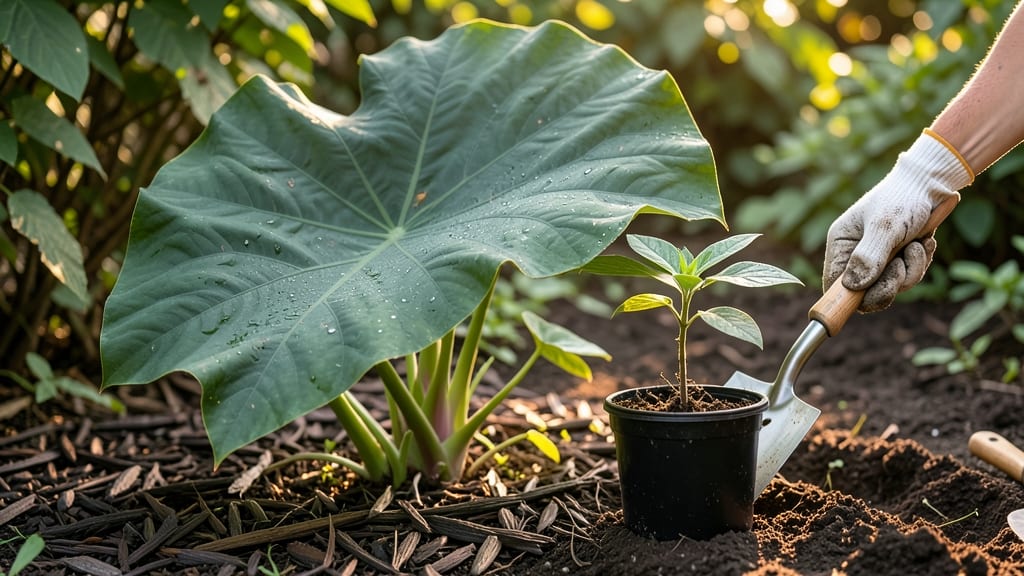
Timing your Elephant Ear 🌿 planting in Oklahoma can make or break your summer garden drama—those bold, tropical leaves won’t thrive if you rush them into cold soil.
The key isn’t just waiting for frost-free days; it’s watching for that 60°F soil warmth that signals roots can finally take hold without shock.
Most Oklahoma gardeners land in April or early May, but your exact window depends on whether you’re in Zone 6b’s cooler north or Zone 8a’s milder south. A late March start in Tulsa might work, while Oklahoma City often waits until after April 15 to avoid frost surprises.
Here’s the game-changer: soil temperature matters more than calendar dates. Stick a soil thermometer 6 inches deep—when it consistently hits 60°F, your Elephant Ears will shoot up faster and handle Oklahoma’s summer heat like pros.
I’ll show you how to prep your soil and spot the perfect moment to plant.
Even if you miss the ideal window, don’t panic—we’ll cover smart workarounds for late starters, including container tricks and shade strategies to protect those massive leaves from scorching. Let’s get your garden ready for those showstopping Elephant Ear 🌿 displays!
Best planting timeline for elephant ears in Oklahoma based on soil temperature
Elephant ears (Colocasia) thrive when planted in warm soil—typically after Oklahoma’s last frost date, which varies by zone. In Zone 6b (central OK), aim for mid-April, while Zone 7a-8a gardeners can start as early as late March.
These tropical plants need soil temperatures of at least 60°F to root properly.
Use a soil thermometer to confirm warmth before planting. In urban areas, pavement heat may raise soil temps faster than rural spots. If your soil is still cold, consider container planting to control the environment until conditions improve.
Missed the window? Don’t panic—June planting still works if you provide afternoon shade. However, late starters risk heat stress or stunted growth if planted too late in summer.
| Zone | Last Frost Date | Ideal Planting Window | Soil Temp Threshold | Microclimate Tip |
|---|---|---|---|---|
| 6b (Tulsa, OKC) | March 15 | Mid-April to early May | 60°F+ | Urban areas warm faster; test soil near sidewalks. |
| 7a (Lawton, Stillwater) | March 1 | Late March to April | 60°F+ | Rural areas may need black plastic mulch to warm soil. |
| 8a (Southwest OK) | February 15 | Early March to April | 60°F+ | Hotter summers; plant with afternoon shade. |
For container growing, you can plant 2-4 weeks earlier since pots warm up faster. Fill containers with moistened potting mix and place them in a sheltered spot until soil temps stabilize.
Watch for false springs—Oklahoma’s weather can swing wildly. If nighttime temps dip below 50°F after planting, cover young plants with frost cloth to prevent damage.
Pro tip: Plant elephant ears near water gardens or in moisture-retentive spots to mimic their tropical habitat. Their large leaves transpire heavily, so consistent moisture is key.
In Zone 6b, extend the season by planting hardier varieties like 'Black Stem' or 'Pink Frost'. These tolerate cooler temps slightly better than delicate types.
Always mulch heavily after planting to retain soil warmth and suppress weeds. Use 3-4 inches of shredded bark or straw mulch for best results.
Remember: Elephant ears are not frost-tolerant. If an unexpected freeze threatens in late spring, cover plants with burlap sacks or move containers indoors temporarily.
Best planting timeline for elephant ears in Oklahoma based on soil temperature
Oklahoma’s USDA Zones 6b-8a create a tricky balance for planting Elephant Ears 🌿. While calendar dates offer general guidance, soil temperature is the real game-changer.
These tropical plants refuse to thrive in cold ground, so waiting for consistent 60°F soil temps (6 inches deep) ensures roots establish quickly and leaves emerge bold.
Most Oklahoma gardeners target mid-April to early May for planting, but your exact window depends on microclimates. Northern cities like Oklahoma City (Zone 7a) often wait until after April 15, while southern areas like Tulsa (Zone 7b) can start as early as late March if soil warms early.
Always check your local last frost date—Zone 6b areas may face surprises until mid-May.
🌡️ Elephant Ear Planting Timeline by Oklahoma Zone
| Zone | Last Frost | Ideal Planting Window | Soil Temp Trigger | Key Risk |
|---|---|---|---|---|
| 6b (Northern OK) | March 15 | Late April - Early May | 60°F+ for 3+ days | Late frosts |
| 7a (Central OK) | March 1 | Mid-April - Late April | 60°F+ for 5+ days | Heatwaves |
| 8a (Southern OK) | February 15 | Late March - April | 55°F+ for 3+ days | Humidity stress |
💡 Pro Tip: Use a soil thermometer (6" deep) to confirm readiness—don’t guess!
Urban gardeners in Oklahoma City or Tulsa face additional challenges due to heat islands. Soil in paved areas warms 5-10°F faster than rural zones, potentially allowing earlier planting. However, these microclimates also mean faster drying, so mulch heavily to retain moisture.
For rural areas, stick to traditional timelines—soil stays cooler longer, delaying your planting window by 1-2 weeks.
If you’re planting tubers (the most common method), avoid rushing—cold soil causes rot before leaves emerge. Instead, start tubers indoors in late February under grow lights, then transplant when soil warms. This head start gives you a 4-6 week advantage over direct planting and ensures dramatic summer foliage.
Watch for leaf scorch in Oklahoma’s intense afternoon sun. Even after planting, protect young leaves with 30% shade cloth until established (about 4-6 weeks). Mature plants handle partial shade beautifully, but those first few weeks are critical for avoiding brown, crispy edges that ruin the tropical look.
For maximum impact, time your planting to bloom with summer humidity. Elephant Ears thrive when Oklahoma’s air hits 75-85°F—planting in April-May ensures they’re showstopping by June or July, just as other perennials fade. Pair them with coleus or cannas for a lush, low-maintenance summer display.