
Plants
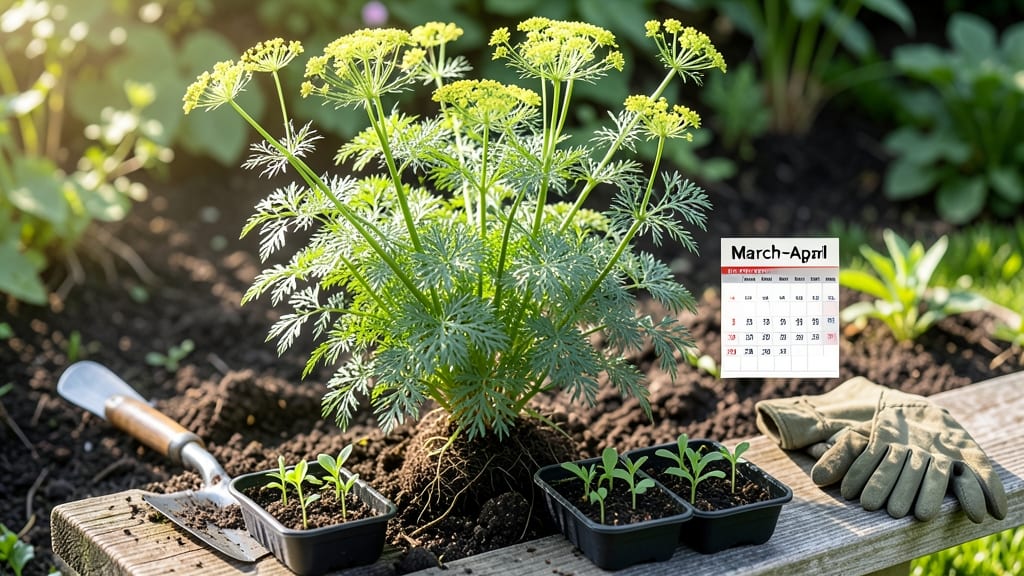
Timing your dill planting in Oregon can make the difference between a thriving 🌿 harvest and a frustrating loss—especially when coastal fog meets inland heat. The right window isn’t just about months; it’s about understanding your microclimate, whether you’re in Portland’s mild zone or Bend’s high desert.
Most gardeners in USDA zones 7b-9a swear by sowing dill seeds in March-April or late summer, but those dates shift dramatically depending on elevation and frost patterns. Get it wrong, and you’ll either watch seedlings freeze or see your plants bolt too fast for usable leaves.
Here’s the game-changer: I’ll break down the exact frost-free windows for your area, including coastal vs. inland strategies, so you can time your planting for maximum flavor and yield. No more guesswork—just a foolproof plan tailored to Oregon’s quirks.
Ready to grow dill that’s lush, productive, and ready when you need it? Let’s dive into the secrets of localized planting that’ll have your kitchen garden thriving all season. The best time to plant isn’t one-size-fits-all—and that’s what makes Oregon gardening so rewarding.
Oregon’s dill planting calendar by USDA Zone (coastal vs. inland timing)
Oregon’s USDA Zones 7b-9a create dramatic differences in dill planting success. Coastal areas like Astoria and Portland enjoy milder winters, while inland zones like Bend and Redmond face earlier frosts. This mismatch means your dill seeds could sprout in February on the coast but wait until May inland.
Dill thrives in cool spring temperatures but bolts quickly when summer heat arrives. In Zone 7b (e.g., Eugene), aim for March 15–April 15 planting. By Zone 9a (e.g., Medford), you’ve got until April 30—but watch for heat stress after Memorial Day.
Here’s the breakdown by microclimate, including last-frost averages and bolting risks:
| Zone & Location | Last Frost Date | Ideal Planting Window | Bolting Risk | Fall Planting Window |
|---|---|---|---|---|
| Zone 7b (Eugene, Corvallis) | April 15 | March 15–April 15 | High after June 15 | August 1–September 15 |
| Zone 8a (Portland, Salem) | April 1 | February 28–April 15 | Moderate after June 1 | July 15–September 1 |
| Zone 8b (Astoria, coastal) | March 15 | February 1–March 31 | Low (cooler summers) | July 1–August 31 |
| Zone 9a (Medford, Klamath Falls) | April 30 | March 1–April 30 | Very high after May 15 | August 15–September 30 |
| Zone 7a (Bend, Redmond) | May 1 | April 15–May 15 | Moderate after June 10 | July 15–August 30 |
For coastal Oregon, I recommend starting dill seeds indoors 4–6 weeks before your last frost date. The cooler, foggy summers there delay bolting, giving you a longer harvest window than inland areas. In Zone 8b, you can even grow dill year-round with season extension techniques.
Inland growers should focus on succession planting—sow new seeds every 2–3 weeks from March through June. This ensures a steady supply of fresh dill before the July heat triggers bolting.
For example, in Bend (Zone 7a), plant your first batch on April 15, then repeat on May 1 and May 15.
Pro tip: Use shade cloth (30–50%) during peak summer months to protect dill from bolting. This is especially critical in Zone 9a, where temperatures can exceed 90°F by early June. A simple row cover can add 2–3 weeks to your harvest season.
Always test your soil’s pH (6.0–7.0) before planting—Oregon’s volcanic soils often need compost or lime to prevent nutrient deficiencies. Dill is light-feeding, so over-fertilizing will encourage leafy growth at the expense of flavorful seeds.
Remember: Dill is a biennial, meaning it grows leaves the first year and flowers/seeds the second. If you’re growing for seeds, let some plants bolt naturally—they’ll produce flavorful dill seeds for next year’s garden.
How to extend your dill season in Oregon (succession planting & cold frames)
Oregon’s unpredictable weather means your dill harvest doesn’t have to end with summer’s last heatwave. With the right techniques, you can grow fresh dill leaves from early spring to late fall—even in USDA zones 7b-9a. The key? Succession planting and season-extending tools like cold frames and shade cloth.
Coastal gardeners in Portland or Astoria can start sowing dill seeds as early as February under cold frames, while inland areas like Bend or Redmond should wait until late August for fall harvests. The trick is matching your method to your microclimate’s unique frost patterns.
Here’s how to maximize your dill season without risking bolting or frost damage. These proven strategies will give you harvests every 6-8 weeks, ensuring you never run out of fresh dill for pickling or cooking.
- 1 Start seeds indoors 4-6 weeks before last frost (coastal: February; inland: March) using grow lights. Transplant seedlings after soil warms to 50°F.
- 2 Use cold frames to sow seeds 2-3 weeks earlier than outdoor planting dates. Coastal gardeners can start as early as January for spring harvests.
- 3 Sow every 2 weeks from March to August for continuous harvests. Space seeds 12-18 inches apart to prevent overcrowding and fungal issues.
- 4 Protect late-season plants with shade cloth (30-50%) in August-September to prevent bolting from inland heatwaves. Remove cloth when temps drop below 85°F.
- 5 Plant a fall crop 4-6 weeks before first frost (coastal: late August; inland: early September). Use row covers to extend harvests into November.
For coastal Oregon, where humidity is higher, prioritize airflow by spacing plants wider and avoiding overhead watering. Inland gardeners should focus on shade protection during peak summer heat to prevent bolting. Both regions benefit from succession planting, which ensures you always have mature dill leaves ready for harvest.
Pro tip: Save seeds from your healthiest plants in late summer for next year’s crop. Store them in a cool, dry place and they’ll stay viable for 3-4 years. This cuts costs and ensures you’re growing locally adapted dill that thrives in Oregon’s climate.
With these methods, you’ll enjoy fresh dill from spring to fall, no matter where you garden in Oregon. The secret? Work with your microclimate instead of against it—just like the pros do. 🌿