
Plants
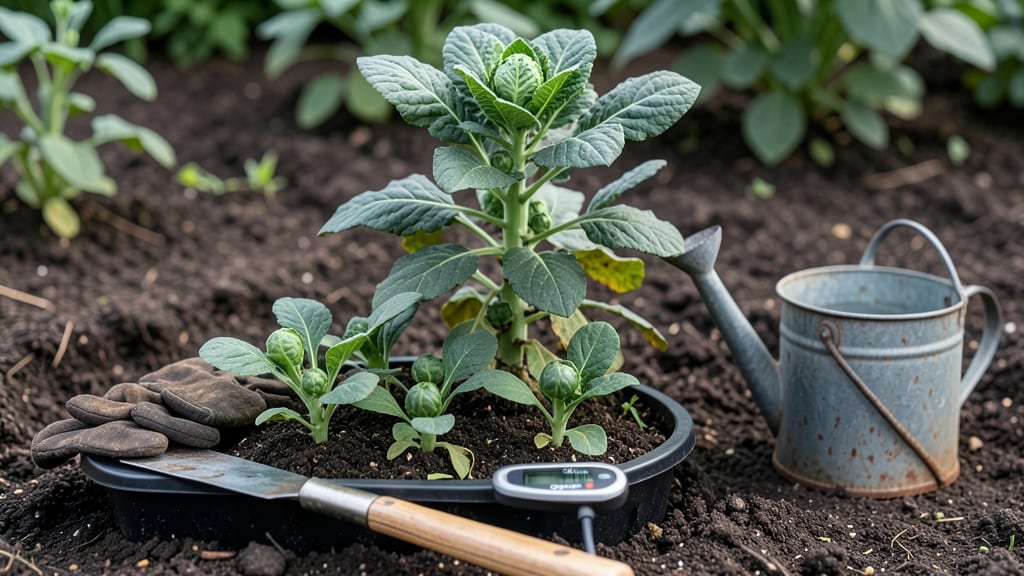
Timing your Brussel sprouts 🥦 planting in Maryland isn’t just about the calendar—it’s about outsmarting the state’s unpredictable microclimates. From the humid Coastal Plain to the cooler Appalachian foothills, getting the window wrong could mean bolting plants or stunted harvests before winter sets in.
Most gardeners in Maryland’s 7a-7b zones swear by planting between mid-March and early April for a fall harvest, but that’s just the starting point. The real secret lies in adjusting for your specific region’s frost dates and soil warmth—because those 80+ days to maturity won’t wait for anyone.
What if I told you there’s a way to push your planting window earlier or later without risking frost damage?
Whether you’re starting seeds indoors or sowing directly, mastering these timing tricks could mean the difference between a handful of bitter sprouts and a bumper crop ready for October’s dinner table.
Let’s break down the exact frost-free windows for Maryland’s five key regions—and the simple strategies to extend your growing season for bigger, sweeter harvests. Your 🥦 garden’s success starts with the right timing.
Maryland’s Brussels sprouts planting calendar by microclimate zone
Maryland’s five distinct microclimates create wildly different planting conditions for Brussels sprouts. The Coastal Plain (like Annapolis) enjoys warmer springs, while the Appalachian Plateau (like Cumberland) faces earlier frosts. Even within Baltimore County, urban heat islands can delay frost by 1-2 weeks compared to rural areas.
To nail your timing, we’ve broken down the ideal planting windows for each region—plus the soil temperature thresholds your seeds need to thrive.
For spring plantings, aim to sow 4-6 weeks before your last average frost date. In fall, plant 8-10 weeks before the first hard frost to ensure mature sprouts before winter.
Maryland’s USDA Zones 7a-7b give us a 165-day frost-free window, but your exact dates depend on elevation and proximity to water bodies. Coastal areas like Chesapeake Bay regions often have later last frosts (mid-April), while inland Western Maryland can see frost as late as May 10 in sheltered valleys.
Here’s the region-specific breakdown you need to plan your Brussels sprouts calendar—including soil temperature, planting windows, and harvest timelines for two crops per year.
Maryland Brussels Sprouts Planting by Microclimate
| Region | Last Frost Date | Spring Planting Window | Fall Planting Window | Soil Temp Threshold | Harvest Time |
|---|---|---|---|---|---|
| Coastal Plain (Annapolis, Easton) | April 10-15 | Mid-March to Early April | Late July to Early August | 45°F (7°C) | October-November |
| Piedmont (Baltimore, Frederick) | April 15-20 | Late March to Mid-April | Early August to Mid-August | 40°F (4°C) | October-December |
| Appalachian Plateau (Cumberland, Hagerstown) | May 1-10 | Late April to Early May | Mid-August to Late August | 35°F (2°C) | September-November |
| Eastern Shore (Salisbury, Cambridge) | April 5-10 | Late February to Early March | Late July to Early August | 45°F (7°C) | October-November |
| Baltimore/Washington Metro | April 12-18 | Late March to Early April | Early August to Mid-August | 42°F (6°C) | October-December |
🌱 Note: Adjust dates 1-2 weeks earlier for high-elevation areas or 1-2 weeks later for urban heat islands.
Use this table as your planting guide, but double-check with your local Cooperative Extension Service for microclimate adjustments.
For example, Western Maryland’s Cumberland Valley often sees later springs due to its protected valleys, while coastal areas like Chesapeake Beach can plant 2 weeks earlier thanks to warmer maritime air.
If you’re unsure about your exact zone, use the National Oceanic and Atmospheric Administration (NOAA) frost maps or ask local gardeners—their on-the-ground experience often beats general guidelines.
For spring plantings, focus on cool-season varieties like ‘
How to extend your Maryland growing season for Brussels sprouts
Maryland’s short growing season can feel like a race against time for Brussels sprouts 🥦, but with the right strategies, you can push your planting window by 4-6 weeks—both earlier in spring and later into fall.
The key is leveraging tools like row covers and cold frames to create microclimates that protect tender seedlings from late frosts or heatwaves. For example, using a floating row cover can add 2-3°F of warmth, delaying the need for frost protection until mid-May instead of April.
Another game-changer is succession planting. Instead of sowing all your seeds at once, stagger them every 2 weeks starting in early April. This ensures a steady supply of mature plants ready for harvest before winter sets in.
Pair this with heat-tolerant varieties like ‘Long Island Improved’ or ‘Ruby Ball’, which handle Maryland’s summer heat better than traditional types.
🌱 Top 5 Strategies to Extend Your Brussels Sprout Season
- Cold Frames: Start seedlings in cold frames in late February for a 4-week head start. Remove frames when soil warms to 50°F.
- Row Covers: Use floating row covers to protect seedlings until mid-May, adding warmth without trapping excess heat.
- Succession Planting: Sow seeds every 2 weeks from April to July for continuous harvests.
- Heat-Tolerant Varieties: Choose ‘Ruby Ball’ or ‘Long Island Improved’ to survive Maryland’s 85°F+ summers.
- Late-Fall Planting: Sow seeds by early August for a harvest before the first frost (aim for 90 days to maturity).
For late-spring plantings, monitor your garden’s soil temperature—Brussels sprouts need it to stay above 45°F for germination. Use a soil thermometer to avoid planting too early in cool, damp Maryland springs, which can lead to rot.
In contrast, fall plantings should start when daytime highs drop below 80°F, typically by late July, to prevent bolting.
Don’t overlook companion planting as a way to extend your season naturally. Pair Brussels sprouts with bush beans or lettuce, which shade the soil and retain moisture, reducing the risk of heat stress.
Avoid planting near tomatoes or cabbage, which can compete for nutrients and attract pests like cabbage worms.
Pro tip: If you’re pushing the limits, keep a harvest journal to track which strategies work best in your microclimate. For example, gardeners in Western Maryland’s Appalachian region often succeed with late-August plantings, while those in Coastal Plain areas may need to start earlier due to humidity delays.
With these extensions, you could enjoy two full harvests per year—one in late October and another in December—before winter frost takes hold. Just remember: the later you plant, the smaller your sprouts may be, so balance ambition with realism based on your local frost dates.