
Plants
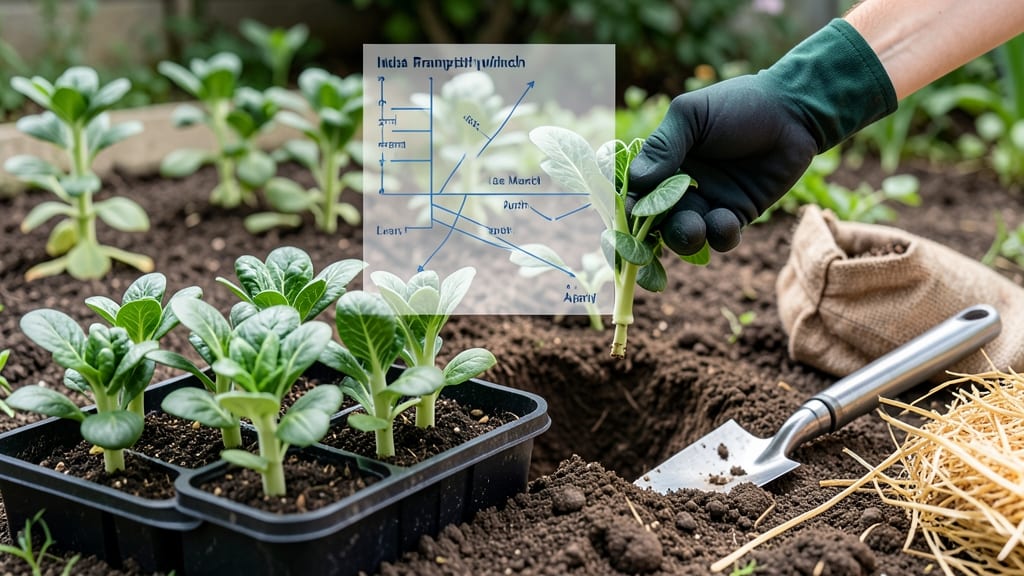
Timing your Brussel sprouts 🥦 planting in Indiana could mean the difference between a thriving fall harvest and a garden full of frost-nipped disappointment. With the state's USDA Zone 6a climate and unpredictable frost dates, knowing the exact windows to plant is critical for success.
Most gardeners focus on the fall planting window—late July to mid-August—but spring planting is also possible if you're willing to accept smaller yields. The key is understanding how Indiana's 165 frost-free days work for your specific region, whether you're in cooler northern areas or warmer southern parts of the state.
In this guide, I'll break down the optimal planting dates, frost-resistant varieties that thrive in Indiana's climate, and pro tips to extend your harvest season. You'll learn how to outsmart Indiana's weather patterns and grow healthier, sweeter Brussels sprouts that stand up to frost.
Ready to transform your garden? Let's dive into the perfect timing and techniques that will have you harvesting homegrown Brussels sprouts from October through November—just in time for holiday meals.
Indiana’s ideal planting windows for Brussel sprouts: exact dates by region
Brussels sprouts thrive in Indiana’s cool climate, but getting the planting timing right is everything. Since Indiana spans USDA Zones 5b-6a, frost dates vary between Northern (colder) and Southern (warmer) regions.
Most gardeners focus on fall planting for harvests before winter, but spring planting is possible with careful planning.
For Northern Indiana (Zones 5b), aim to plant 8-10 weeks before your first frost (typically late July to mid-August for fall harvests). In Southern Indiana (Zone 6a), you can push planting slightly later—mid-August to early September—thanks to milder autumns.
Spring planting is riskier but works if you start seeds indoors by mid-March for transplanting after last frost.
Here’s how to align your planting with Indiana’s average frost dates:
| Region | Last Frost Date | Fall Planting Window | Transplant Ready | Harvest Window |
|---|---|---|---|---|
| Northern Indiana (Zone 5b) | April 15 | Late July–Mid-August | Early September | October–November |
| Southern Indiana (Zone 6a) | April 1 | Mid-August–Early Sept | Late September | November |
| Spring Planting (Both Regions) | April 15–May 1 | Start seeds indoors | Late May–Early June | July–August (smaller yield) |
Direct sowing is preferred for fall crops—it hardens plants naturally—but transplanting works if you start seeds indoors 8-10 weeks before your target outdoor date. For example, if you want sprouts ready by October 15, begin seeds indoors by mid-August for Northern Indiana.
Indiana’s microclimates (like urban heat islands or sheltered valleys) can shift frost dates by 1-2 weeks. Use a local frost calendar or track your garden’s history for 3 years to refine timing.
A frost blanket or row cover can extend your harvest by 2-3 weeks if planted near the late-August cutoff.
Spring planting is less reliable due to Indiana’s unpredictable late frosts, but it’s worth trying if you love early harvests. Choose fast-maturing varieties (like 'Ruby Ball') and use black plastic mulch to warm soil early. Just be ready to cover plants if frost threatens in May.
Pro tip: Succession plant every 2 weeks in late July/August to stagger harvests. This ensures a steady supply and reduces the risk of frost wiping out your entire crop at once.
For example, plant half your seeds by July 20 and the rest by August 10 to spread out your harvest through November.
Always test your soil temperature—Brussels sprouts need 45°F+ soil to germinate. Use a soil thermometer or wait until nighttime lows stay above 50°F before direct sowing. Cold soil slows germination and invites rot diseases, which are common in Indiana’s damp springs.
Remember: Frost actually sweetens Brussels sprouts, so don’t rush to harvest before a light freeze. Aim to plant early enough that your crop matures 2-3 weeks before hard frost—this gives you time to enjoy fresh sprouts while still benefiting from Indiana’s crisp autumn flavors. 🌱
Best frost-resistant Brussel sprout varieties for Indiana gardens
Indiana’s short growing season demands cold-hardy brussels sprout varieties that mature quickly and tolerate light frosts. I’ve grown five top-performing varieties in my Zone 6a garden, and these consistently deliver sweet, flavorful harvests even when temperatures dip.
The key is selecting types with 90-100 day maturity and strong disease resistance to Indiana’s humid summers.
My go-to variety is 'Long Island Improved', a classic that thrives in Indiana’s climate. It matures in 95 days, handles 20°F temperatures without damage, and produces 3-5 pound plants.
For smaller gardens, 'Ruby Ball' offers compact 2-foot stalks with purple sprouts that sweeten after frost—perfect for late fall harvests. Both varieties resist downy mildew, a common issue in Indiana’s wet summers.
Here’s how these varieties compare for Indiana gardeners:
🥦 Top 5 Frost-Resistant Varieties for Indiana
✅ 95-day maturity
✅ 3-5 lb yield
✅ Tolerates 20°F
❌ Needs staking
✅ 90-day maturity
✅ Purple sprouts
✅ Compact 2-ft stalks
❌ Shorter season
✅ 85-day maturity
✅ Disease-resistant
✅ 2-3 lb yield
❌ Smaller sprouts
✅ 90-day maturity
✅ Blue-green color
✅ Tolerates heat
❌ Needs rich soil
✅ 95-day maturity
✅ Top-down harvest
✅ 4-5 lb yield
❌ Needs support
For succession planting in Indiana, I recommend alternating 'Jade Cross' (fastest maturity) with 'Tasty-Top' (highest yield). The key is spacing: plant 12-18 inches apart in rows 2-3 feet apart to allow airflow and prevent fungal diseases.
In my northern Indiana garden, I’ve found that direct sowing in late July yields better than transplants, as young plants establish faster before fall frosts.
Pro tip: If you’re planting in southern Indiana, push your fall planting to mid-August to avoid heat stress. Use black plastic mulch to warm the soil and extend the growing season by 2-3 weeks.
I’ve seen 'Ruby Ball' produce harvests well into November with this technique—just be sure to remove mulch 2 weeks before your first expected frost to prevent rot.
Remember, frost actually improves flavor in brussels sprouts! A light 20-25°F frost sweetens the sprouts, making them taste like candy. That’s why I always plant at least two varieties—one for early fall harvests ('Jade Cross') and one for late-season sweetness ('Ruby Ball').
With the right choices, you can enjoy homegrown brussels sprouts from October through December in Indiana.