
Plants
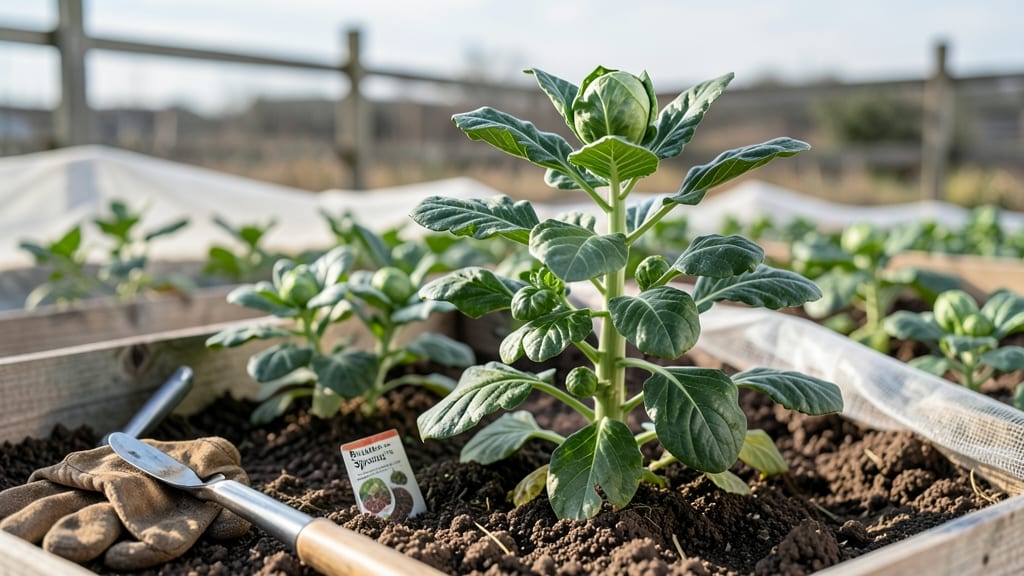
If you’ve ever planted Brussel sprouts 🥦 in Oklahoma only to watch them bolt in the heat or struggle through a late frost, you’re not alone. The key to a bountiful harvest lies in timing—specifically, knowing when to plant for your exact USDA zone 6b-7a climate.
Oklahoma’s unpredictable swings from 90°F summers to early frosts mean most gardeners get it wrong the first time. But here’s the secret: the perfect window is late March to early April for spring plantings, or August to early September for fall harvests.
These months balance heat tolerance with frost risk, giving your 🥦 the best shot at thriving.
I’ll break down the exact months that work for your region, plus which heat-tolerant varieties actually perform in Oklahoma’s soil. Whether you’re starting seeds indoors or direct-sowing, these insights will help you avoid common mistakes that waste time and yield.
Ready to grow Brussel sprouts that taste sweeter and last longer? Let’s get into the details that make all the difference in your garden.
Best planting months for Brussel sprouts in Oklahoma (by region)
Oklahoma’s diverse climate—from the cooler Panhandle to the humid South—means timing is everything for Brussel sprouts. Plant too early, and heat stress ruins your crop; too late, and frost stunts growth.
I’ll break down the ideal planting windows for each region, plus how to adjust for early vs. late varieties to maximize your harvest.
Northern Oklahoma (USDA Zone 6b) has the earliest last frost around March 15, while Southern Oklahoma (Zone 7a) can plant 2-3 weeks later. Central Oklahoma falls in between, with frost-free days spanning 190 days.
This means your fall planting must start 4-6 weeks before the first frost (usually early September) to ensure a harvest before winter.
For spring planting, wait until soil temperatures hit 40°F—typically late March to early April in most regions. Direct sowing works best in spring, but starting seeds indoors 6-8 weeks before the last frost gives you a head start in cooler areas like the Panhandle.
Southern Oklahoma’s longer growing season allows for a second fall planting in late July or early August, but watch for summer heat stress. Choose heat-tolerant varieties like 'Ruby Ball' to avoid bitter flavors.
Central Oklahoma gardeners can double their harvest by planting once in spring (March-April) and again in late summer (August). The key is succession planting—sow new seeds every 2-3 weeks in fall to stagger maturity and avoid a single overwhelming harvest.
In Northern Oklahoma, focus on fall planting (August-September) since the short season limits spring harvests. Use row covers to extend the season into early winter for sweeter sprouts.
| Region | Spring Planting Window | Fall Planting Window | Key Consideration |
|---|---|---|---|
| Northern OK (Zone 6b) | Late March - Early April | August 15 - September 1 | Short season; prioritize fall |
| Central OK (Zone 7a) | Early April - Mid-April | August 1 - September 10 | Double harvest possible |
| Southern OK (Zone 7a) | Mid-March - Early April | Late July - Early September | Heat stress risk; use shade |
If you’re growing early varieties (like 'Long Island Improved'), plant in spring for a June harvest. For late varieties (e.g., 'Jade Cross'), focus on fall planting to avoid summer heat. Adjust planting dates based on your last frost date—check the Oklahoma Mesonet for local updates.
Pro tip: Mulch heavily in spring to keep soil cool and retain moisture during Oklahoma’s unpredictable spring rains. In fall, use black plastic mulch to warm soil and extend the season by 2-3 weeks—critical for Southern Oklahoma’s shorter winters.
Remember, Brussel sprouts need 90-120 days to mature. If you plant in late August, aim for a November harvest before hard frosts hit. For winter storage, harvest after a light frost—this sweetens the flavor and extends shelf life.
🌱
Best planting months for Brussel sprouts in Oklahoma (by region)
Oklahoma’s diverse climate—from the cooler Panhandle to the hotter Southern Plains—means planting times vary by region. In Northern Oklahoma (USDA Zone 6b), aim for late March to early April for spring planting, while Central Oklahoma (Zone 7a) gardeners can start as early as mid-March.
Southern regions like Oklahoma City or Tulsa should plant by late February to avoid summer heat stress.
For fall harvests, August to early September is ideal statewide. This timing ensures sprouts mature before the first frost (mid-November in most areas). Late plantings in September risk smaller yields if frost arrives early, but shade cloth can extend the season by 2-3 weeks.
| Region | Spring Planting Window | Fall Planting Window | Key Adjustments |
|---|---|---|---|
| Northern OK (Zone 6b) | Late March–Early April | August 15–September 1 | Use row covers for early spring |
| Central OK (Zone 7a) | Mid-March–Late March | August 1–August 15 | Mulch heavily in summer |
| Southern OK (Zone 7b) | Late February–Early March | July 30–August 10 | Prioritize heat-tolerant varieties |
Direct sowing is best for Oklahoma’s climate, but starting seeds indoors 6-8 weeks before transplanting (by February) gives you an edge. Harden off seedlings for 7-10 days before moving them outdoors, especially if transplanting in spring. For fall plantings, late July starts under shade cloth can prevent bolting.
Soil temperature is critical—wait until it reaches 40°F for spring plantings. Test with a soil thermometer; cooler soils delay germination. In Southern Oklahoma, where summers exceed 90°F, focus on fall plantings or use drip irrigation to keep roots cool.
Avoid planting in June or July unless you’re using shade structures.
Succession planting every 2 weeks in spring and fall extends your harvest window. For example, plant a second batch in mid-April (spring) or mid-August (fall) to stagger maturity. This strategy works especially well in Central Oklahoma, where frost dates vary by 1-2 weeks annually.
Pro tip: Mark your calendar for October 15—this is when Northern Oklahoma typically sees its first light frost, sweetening the flavor of your sprouts. In Southern Oklahoma, wait until November 1 for the same effect.
Just don’t let temps drop below 20°F—your plants will survive, but yields suffer.