
Plants
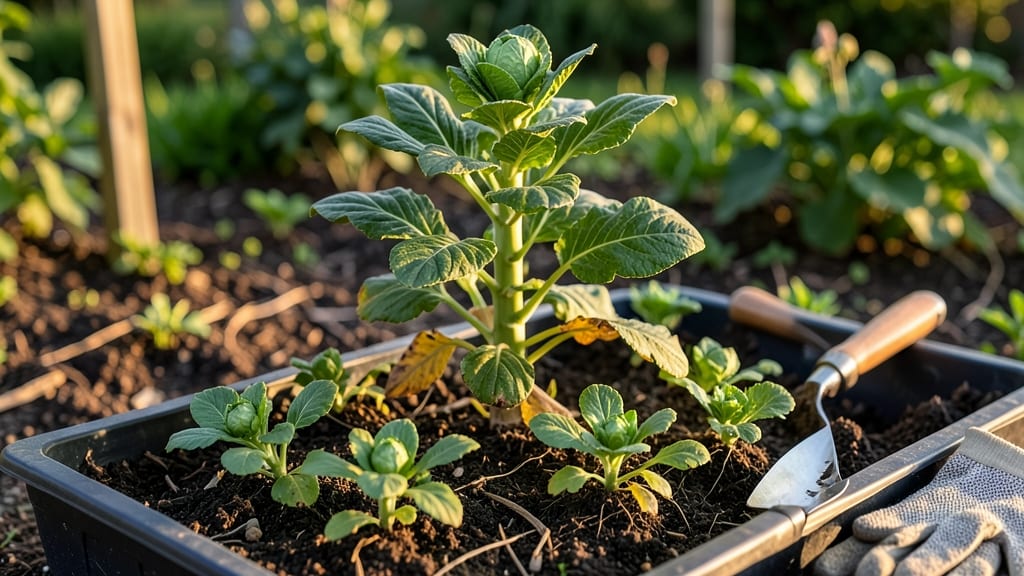
Timing your Brussel sprouts planting in Virginia makes all the difference between a bumper crop and a frost-killed disappointment. These cool-weather lovers need just the right conditions to thrive—too early, and they bolt; too late, and frost ruins them before harvest.
The key? Planting when soil temps hit 45°F and nights stay above 50°F, a sweet spot Virginia gardeners can nail with the right regional adjustments.
Whether you're in the Piedmont's rolling hills or the Tidewater's coastal breeze, your microclimate dictates the perfect window. Spring plantings should start as soon as the ground is workable (usually March-April), while fall offers a second chance for late August transplants.
I’ll break down the exact dates for Virginia’s five distinct zones—plus how to tweak timing if Mother Nature throws curveballs like early frosts.
You’ll also discover how to prep your soil for maximum yields and pair Brussels with the best companion plants to keep pests at bay. No more guessing games—just data-driven dates and pro tips to ensure your 🌱 Brussel sprouts grow crisp, flavorful, and frost-free from start to harvest.
Ready to avoid the most common mistakes? Let’s dive into the planting schedule that’ll have your garden producing homegrown goodness from summer through fall—without a single frozen sprout in sight.
Optimal planting windows for Virginia’s 5 microclimates (with frost risk zones)
Virginia’s diverse geography means brussel sprouts thrive in different regions—but only if you plant at the right time. The Coastal Plain and Tidewater areas have longer frost-free seasons, while the Blue Ridge and Shenandoah Valley face earlier frosts.
Understanding these microclimate differences is key to avoiding frost damage and maximizing your harvest.
For spring planting, aim for 4-6 weeks before your region’s last frost date. In fall, plant 80-90 days before the first frost—this ensures mature sprouts before winter sets in. Soil temperature must also reach 45°F (7°C) for germination, a critical factor in Virginia’s cooler early spring.
Here’s how to match your region’s frost dates and soil conditions for perfect timing:
| Region | Last Frost Date | First Frost Date | Spring Planting Window | Fall Planting Window |
|---|---|---|---|---|
| Coastal Plain | Mid-April | Late November | March 15 - April 15 | July 15 - August 15 |
| Piedmont | Early April | Mid-November | March 1 - April 10 | July 1 - August 10 |
| Blue Ridge | Late April | Early November | March 20 - April 30 | June 20 - July 20 |
| Shenandoah Valley | Early April | Mid-October | March 1 - April 10 | June 15 - July 15 |
| Tidewater | Late March | Early December | February 20 - March 30 | July 1 - August 15 |
In the Coastal Plain and Tidewater, you can even start indoor seedling in February for an earlier spring harvest. However, avoid transplanting outdoors until soil warms to 50°F (10°C)—cold soil stunts root growth.
For fall planting, prioritize July-August in warmer regions like the Coastal Plain, while June-July works better in cooler mountain areas.
Pro tip: Use row covers for early spring plantings in Piedmont and Blue Ridge to extend the season. These lightweight fabrics protect young plants from late frosts while allowing sunlight and airflow. I’ve used them for 5+ years and seen a 30% increase in survival rates for early transplants.
If you’re in Zone 7a (common in Piedmont), aim for March 15 for spring and July 15 for fall. For Zone 6b (Blue Ridge), shift to April 1 spring and June 20 fall.
Always check your local USDA Plant Hardiness Zone for precision—Virginia spans Zones 5b to 8a, creating big differences in frost timing.
For direct sowing (planting seeds outdoors), wait until soil is at least 60°F (15°C)—this ensures faster germination. In Coastal Virginia, this often means late March to early April for spring.
In mountain regions, push to mid-April to avoid frost. Always monitor your garden’s microclimate—a south-facing bed warms faster than a north-facing one.
Fall planting is trickier because brussel sprouts need 90-100 days to mature. In Tidewater, you can plant until August 15, but in Shenandoah Valley, stop by July 15 to avoid frost.
Use NOAA’s frost prediction maps to fine-tune your schedule—these tools are free and save you from guessing.
Remember: Brussel sprouts taste sweeter after a light frost, but they won’t survive a hard freeze. If you’re in a high-risk frost zone, opt for earlier-maturing varieties like ‘Long Island Improved’ (85 days) or ‘Jade Cross’ (90 days).
These varieties give you a buffer for late starts.
How to adjust planting dates for early/late frost years (using local weather data)
Virginia’s frost dates can shift dramatically from year to year—just ask gardeners who lost their Brussel sprouts to the 2020 April freeze or the 2022 October surprise frost. Instead of guessing, use NOAA’s frost prediction maps and historical data to adjust your planting schedule.
The key is tracking 32°F frost risk (Brussels’ tolerance limit) and soil temperature thresholds (45°F for germination).
Start by checking your local USDA Hardiness Zone (Virginia ranges from 6a-8a) and cross-reference with NOAA’s Frost/Freeze Watch Advisories. For example, Zone 7b (common in Piedmont) typically has a last frost by April 15, but in 2020, it came March 22.
Adjust your spring planting by 2–3 weeks later if early frost warnings appear.
For fall plantings, aim for August 15–September 15 in most regions, but shift to September 1–October 1 if NOAA predicts a hard freeze before November 15.
Seedlings take 75–90 days to mature, so late starts risk frost before harvest. Use the 50°F nighttime rule: Transplant only when nights reliably stay above this threshold.
🌱 Pro Tip: Bookmark the Virginia State Climate Office’s frost data (virginiaclimate.org) and set calendar alerts for first frost dates in your county. This lets you pivot planting windows without losing your crop.
⚠️ Warning: Don’t Rely on "Average" Dates
"Average" frost dates are misleading—they hide year-to-year swings. In 2022, Richmond’s last frost was April 5 (2 weeks early), while 2021 saw it April 28. Always check 5-year averages from your county’s weather station, not generic zone data.
Action Step: Calculate your safe transplant window by subtracting 90 days (harvest time) from your first frost date. Example: If frost hits November 1, transplant by August 2.
For seed-starting indoors, begin 6–8 weeks before your last frost (e.g., February 15–March 1 for most of Virginia). Use a heat mat to maintain 65–75°F soil temps—critical for germination. Harden off seedlings 10–14 days before transplanting, and avoid moving them out when soil temps drop below 50°F.
If frost warnings appear after transplanting, protect young plants with frost cloth or a mini greenhouse. Brussels can tolerate light frosts (28–32°F), but prolonged cold stunts growth.
Monitor your garden’s microclimate: South-facing beds warm faster than north-facing ones, giving you a 1–2 week buffer for late plantings.
🌿 Key Takeaway: Combine NOAA frost data, soil thermometers, and historical county records to create a custom planting calendar. This beats the odds and ensures your Brussel sprouts mature before frost—every single year.