
Plants
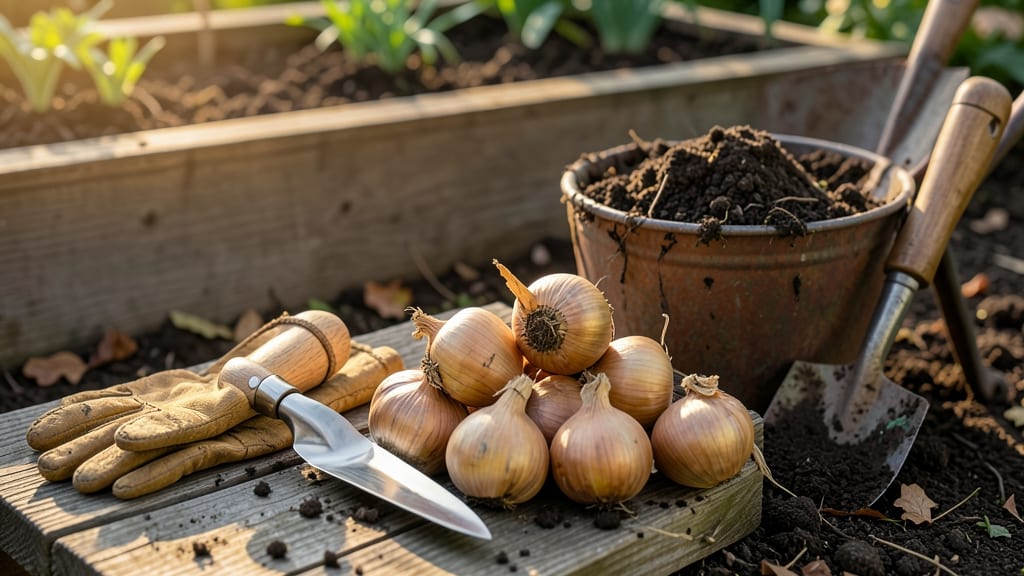
Timing your daffodil planting in Portland, Oregon, could mean the difference between a stunning spring display and a frost-killed disappointment. The 4-6 week window before the first hard frost—typically between October and November—is critical for these 🌼 beauties to establish roots before winter sets in.
With Portland’s mild but wet winters and USDA Zone 8a climate, you’ve got a unique opportunity to get it just right. Unlike some regions where early planting is risky, Portland’s microclimates actually give you a little breathing room—but only if you know where to look.
Urban heat islands and river valleys can push your planting window later than the official frost dates suggest.
I’ll break down exactly when to plant for zero frost risk, plus pro tips for adjusting to Portland’s variable weather.
Whether you’re a first-time gardener or a seasoned pro, these insights will help you time your planting like a local—ensuring those cheerful yellow blooms pop up right on schedule next spring.
Ready to set your daffodils up for success? Let’s dive into the ideal planting window, soil prep secrets, and how to work with Portland’s climate instead of against it. Your garden’s springtime color palette starts with the right timing now.
Portland’s daffodil planting window: frost-date zones explained
Portland’s USDA Zone 8a/8b climate means daffodils need precise timing to thrive—plant too early, and they’ll rot in wet soil; too late, and frost zaps their energy.
The ideal window is October through mid-November, but your exact microclimate (urban heat island, river valley, or high elevation) can shift this by 2–4 weeks.
For example, areas like Hillsdale or St. Johns often experience frost 2 weeks earlier than downtown Portland. Check NOAA’s Portland frost data (average first frost: November 15) and adjust your schedule accordingly.
Here’s how Portland’s microclimates break down for daffodil planting:
| Microclimate | Ideal Planting Window | Frost Risk Adjustment | Key Tip |
|---|---|---|---|
| Urban Heat Islands (Downtown, Pearl District) | Late October – Early December | 1–2 weeks later than average | Soil stays warmer; extend window |
| River Valleys (Willamette, Columbia) | Mid-September – Mid-November | 2–3 weeks earlier than average | Cold air pools; plant sooner |
| High Elevation (Sauvie Island, West Hills) | Early October – Mid-November | Same as average or 1 week earlier | Frost arrives faster; prioritize early |
| Protected Microclimates (South-facing slopes, near evergreens) | Late September – Early December | Up to 3 weeks flexibility | Natural insulation delays frost |
Pro tip: Use mulch (3–4 inches) to insulate soil and extend your planting window by 1–2 weeks. This is especially critical in high-elevation areas where frost hits earlier.
If you’re unsure about your microclimate, test your garden’s frost date by placing a frost-sensitive plant (like pansies) in your yard. When they die back, you’ll know your last safe planting window is 4–6 weeks prior.
For Portland’s average last frost date (March 15), aim to plant daffodils by mid-November to ensure they establish roots before winter. Bulbs need 6–8 weeks of chilling to bloom, so timing is everything.
Even if you miss the ideal window, don’t panic—late plantings can still succeed with the right adjustments (like chilling bulbs in the fridge). But for the best results, stick to the October–November rule.
Remember: Daffodils planted too late may not bloom until their second year, but they’ll still multiply underground. The key is giving them enough time to root before the ground freezes.
🌼
How to choose the perfect planting spot for zero frost risk
Portland’s microclimates can shift frost risks by weeks—even blocks apart. The key to zero frost damage lies in selecting the right spot. South-facing slopes and urban heat islands (like downtown) often stay 2–3°F warmer than cooler valleys or high-elevation areas.
For example, Mount Tabor might see frost 2 weeks earlier than Hillsboro, so adjust your timing accordingly.
Windbreaks—like evergreen hedges or fences—create protected pockets that trap heat. Planting near coniferous trees (like Douglas fir) or dense shrubs can push your daffodils’ frost tolerance by 1–2 weeks.
Avoid low-lying areas where cold air pools, such as river valleys or depressions in the landscape, where frost lingers longer.
🌱 Key Takeaways for Frost-Free Planting
- South-facing slopes stay warmer; ideal for early planting.
- Urban heat islands (pavement, buildings) delay frost by 1–2 weeks.
- Avoid valleys where cold air settles—frost risk increases.
- Windbreaks (evergreens, fences) add 2–3°F warmth.
- Well-draining soil prevents bulb rot in wet Portland winters.
Soil insulation is another game-changer. A 3-inch layer of mulch (straw or shredded leaves) acts as a natural blanket, protecting bulbs from freeze-thaw cycles. In high-risk zones, like the Columbia River Gorge edge, consider planting bulbs deeper (8–10 inches) to shield them from temperature swings.
Test your soil’s drainage—Portland’s clay-heavy soil can suffocate bulbs if waterlogged.
If you’re unsure about your microclimate, use NOAA’s Portland frost maps (available online) to pinpoint your last average frost date. Most of the city falls between November 15–20, but elevations above 500 feet can shift this by 10 days or more.
For example, Forest Park areas often see frost earlier than Southeast Portland.
Pro tip: Group daffodils with other early bloomers, like crocuses or snowdrops, to create a natural windbreak and extend the growing season. This layered planting strategy also adds visual interest while protecting your bulbs. Start with 6–8 bulbs per cluster for the best frost protection and bloom impact.
Finally, avoid compacted or rocky soil, which can disrupt root growth. Amend with compost or peat moss to improve drainage and warmth retention. With the right spot, your daffodils will thrive even in Portland’s wettest winters—and reward you with bold spring color year after year. 🌸