
Plants
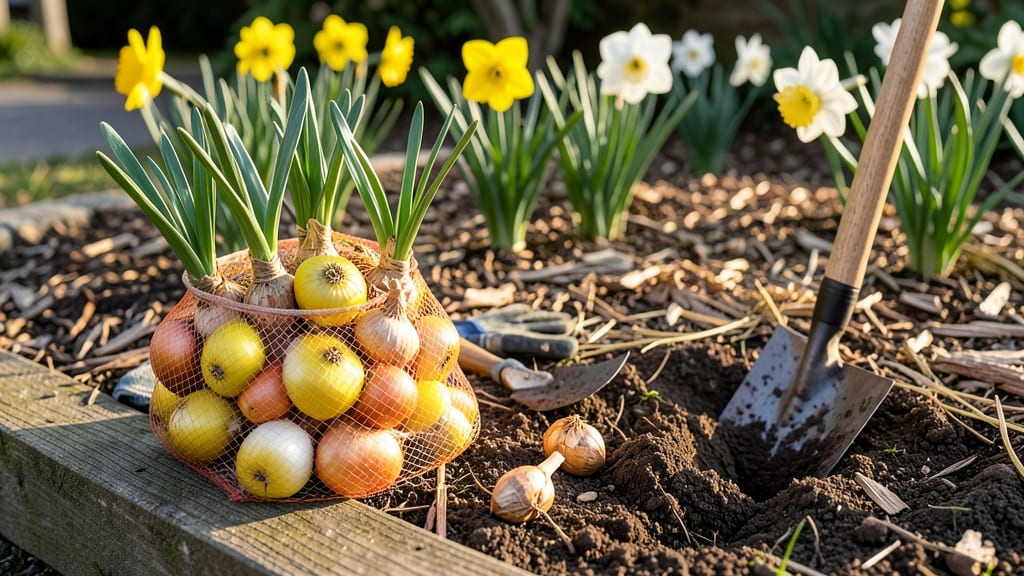
Timing is everything when it comes to planting daffodils in North Carolina—get it wrong, and you might end up with weak blooms or worse, premature sprouting before winter even arrives.
The key to success lies in understanding your local chill-hour needs and planting window, which can vary dramatically from the mountains to the coast.
For most of North Carolina's USDA zones 6b-8a, the sweet spot falls between October and November, when soil temperatures drop but before the ground freezes solid. This gives those 🌼 daffodil bulbs just enough time to establish roots while still benefiting from winter's natural dormancy period.
Why does this matter? Because planting too early can trigger bolting—those unsightly early shoots that waste energy and reduce next year's blooms. Conversely, waiting too long means bulbs won't root properly before winter sets in.
I'll show you exactly how to time it right for your specific microclimate, whether you're in the Piedmont or along the coast.
Let's dive into the most important factors you need to consider—so you can enjoy those cheerful spring blooms without the guesswork. You'll learn how to read your local frost dates, prepare your soil properly, and choose the right daffodil varieties for your zone.
North Carolina chill-hour zones: when to plant daffodils for reliable blooms
North Carolina's varied climate—from the mountains' cooler Zone 6b to the coastal Zone 8a—creates unique challenges for daffodil planting. These hardy bulbs need chill hours (300–600) to bloom reliably, but planting too early or late can trigger premature bolting (spring blooming).
The key? Plant when soil temps drop to 60°F and stay below 50°F at night.
In NC, this typically means October through December, but your exact window depends on your USDA Zone. For example, Zone 7 (Piedmont) gardeners should aim for mid-October to November, while Zone 8 (coastal) can plant as late as December.
The goal is to give bulbs 6–8 weeks of root growth before winter dormancy.
Daffodils also vary in chill-hour needs. Hardy varieties like 'Ice Follies' need 300–400 chill hours, while tender varieties like 'Paperwhite' require 500–600 chill hours. Planting in October ensures most NC zones meet these needs, but December planting risks insufficient chill hours in Zone 8.
🌱
Daffodil Chill-Hour & Planting Guide for NC
| Zone | Chill Hours Needed | Best Planting Month | Soil Temp Goal | Bolt Risk |
|---|---|---|---|---|
| 6b (Mountains) | 300–400 | October | 50–60°F | Low |
| 7 (Piedmont) | 400–500 | Mid-October–November | 50–60°F | Moderate |
| 8a (Coastal) | 500–600 | December | 55–65°F | High |
*Bolt risk increases if planted too early (September) or too late (January).
To check your local chill hours, use a home weather station or NC State Extension’s climate maps. For example, Asheville (Zone 7a) averages 500 chill hours, while Wilmington (Zone 8a) gets only 400. Choose hardy varieties for warmer zones to avoid bolting.
Another critical factor is soil temperature. Use a soil thermometer to confirm temps are below 60°F before planting. In Zone 7, this usually happens by mid-October, while Zone 8 may wait until late November.
Planting too early (e.g., September) can trigger premature sprouting and weak bulbs.
For container gardening, plant daffodils in October–November regardless of zone, as pots warm faster. Use well-draining mix and place containers in a shady spot until roots establish. In Zone 8, consider chill treatments (e.g., refrigerating bulbs for 8–10 weeks) to mimic winter.
Pro tip: Mark your calendar for your region’s average first frost. In NC, this ranges from November 15 (mountains) to December 1 (coast). Plant 6–8 weeks before frost to ensure roots grow before dormancy.
For example, Zone 7 gardeners should plant by October 15, while Zone 8 can wait until November 15.
Finally, mulch after planting with 2–3 inches of straw or leaves to insulate bulbs and maintain consistent soil temps. This is especially important in Zone 8, where mild winters can disrupt dormancy. Remove mulch in late winter to allow soil to warm for spring growth.
By aligning your planting with chill-hour needs and soil temps, you’ll avoid bolting and enjoy vibrant spring blooms for years. Next, we’ll cover a month-by-month planting timeline with soil prep tips for NC gardens.
🌼
North Carolina chill-hour zones: when to plant daffodils for reliable blooms
North Carolina's diverse climate—from the cool mountain regions to the milder coastal plains—means daffodil chill-hour needs vary dramatically. Most of the state falls within USDA zones 6b-8a, but even within these zones, microclimates create 1,000-1,500 chill hours of difference.
This variation determines whether your 🌼 daffodils will bloom reliably or bolt prematurely.
For hardy daffodil varieties (like 'Ice Follies' or 'Tête-à-Tête'), 1,000-1,500 chill hours are ideal, making them perfect for North Carolina's Zone 7a (mountains) and Zone 8a (coastal). Tender varieties (such as 'Paperwhite') need fewer chill hours (500-800), but they're riskier in colder zones.
The sweet spot for planting is when soil temps drop to 60°F or below—typically October through December.
Here’s how to match your planting window to your chill-hour zone:
| Zone | Chill Hours | Best Planting Window | Daffodil Variety |
|---|---|---|---|
| Zone 6b (Mountains) | 1,500+ | Late October - Early November | Hardy (e.g., 'Thunderbolt', 'Carlton') |
| Zone 7a (Piedmont) | 1,000-1,500 | Mid-October - Mid-November | Medium-hardy (e.g., 'Jack Snipe', 'Dutch Master') |
| Zone 8a (Coastal) | 800-1,200 | November - Early December | Tender (e.g., 'Paperwhite', 'Grand Soleil') |
Planting in October works best for Zone 7a gardens, where soil stays workable longer. In Zone 8a, wait until November to avoid early bolting. For coastal NC, December planting is safer—just ensure bulbs are in the ground 6-8 weeks before frost to allow root establishment.
Pro tip: Use a soil thermometer to confirm temps are below 60°F before planting. This prevents premature sprouting, which weakens bulbs and reduces next year’s blooms. In warmer microclimates (like Raleigh or Wilmington), mulch heavily after planting to simulate winter chill.
Once you’ve nailed the timing, focus on soil prep: Amend clay soil with compost to improve drainage, and avoid fresh manure, which can cause bolting. The goal is to mimic nature—cool roots + winter dormancy = stronger spring blooms. 🌱