
Plants
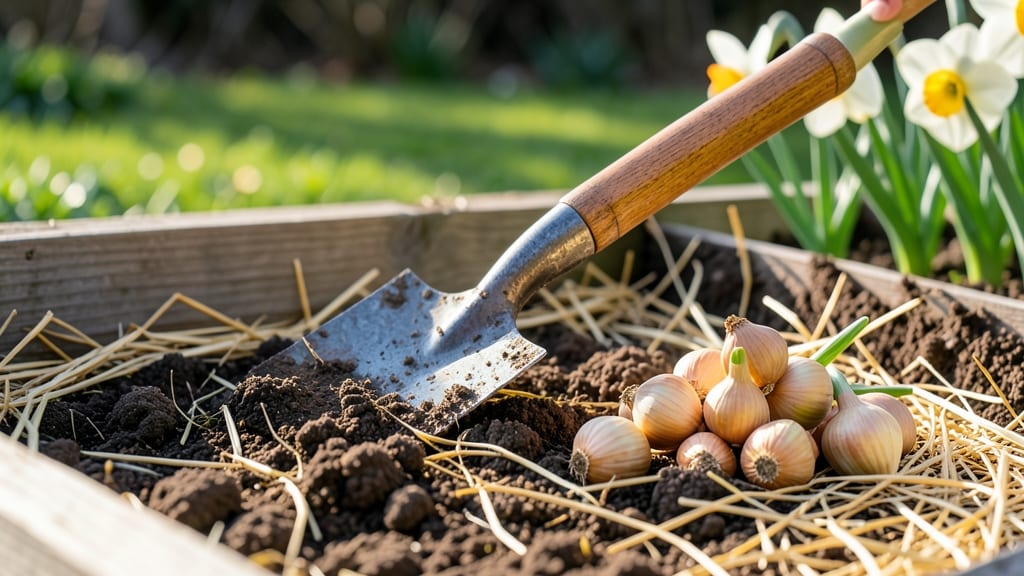
Northern California daffodil planting zones: coastal vs. bay area vs. Sacramento Valley timelines
Northern California’s microclimates create a puzzle for daffodil lovers. The coastal fog belt (like San Francisco) stays cooler longer, while the Sacramento Valley warms up faster—meaning your planting window shifts dramatically across just 100 miles.
To avoid frost damage or missed blooms, I’ll break down the exact months for each zone, plus critical last-chance dates.
Daffodil bulbs need 6-8 weeks to establish roots before winter dormancy. In USDA Zones 7b-9b (covering most of Northern California), this means planting between mid-October and December. But timing varies: Coastal gardeners should plant later (November), while valley gardeners can start earlier (October). Let’s dive into the specifics.
Here’s how to match your location to the perfect planting window:
| Zone | Ideal Planting Window | Last-Chance Date | Soil Temp Threshold | Notes |
|---|---|---|---|---|
| Coastal (e.g., San Francisco, Marin) | Late October – November | December 15 | 50–60°F | Fog delays warming; plant after first frost. |
| Bay Area (e.g., Oakland, Berkeley) | Mid-October – November | December 1 | 50–60°F | Transition zone; err on the later side. |
| Sacramento Valley (e.g., Sacramento, Davis) | October – Early November | November 15 | 55–65°F | Warmer soils; plant earlier to avoid heat stress. |
| Mountain Foothills (e.g., Lake Tahoe, Sierra) | November – Early December | December 20 | 45–55°F | Cooler nights; plant closer to winter. |
Pro tip: Use a soil thermometer to confirm temps. Daffodil bulbs thrive when soil stays above 50°F—cooler soils slow root growth, while warmer soils (above 65°F) can stress bulbs before dormancy.
In the Sacramento Valley, for example, October’s warmer soils mean you can plant 2–3 weeks earlier than coastal gardeners.
Missed the window? Don’t panic. Bulbs planted in January (before first frost) can still survive, though blooms may be delayed. The key is ensuring bulbs have 4–6 weeks of root growth before ground freezes.
In Marin County, for instance, January plantings are risky—frost can hit by mid-November, leaving bulbs vulnerable.
For container gardening, adjust timing by 1–2 weeks later—pots cool faster. Place containers in protected spots (like against a south-facing wall) to extend the season. Mulch with 3–4 inches of straw after planting to insulate bulbs and retain moisture during winter rains.
Remember: Early plantings in warm zones (like Sacramento) risk premature sprouting, while late plantings in cool zones (like San Francisco) may not establish roots before frost. The sweet spot is planting when your local chronicling predicts consistent 50°F soil temps and no hard frosts for 6+ weeks.
🌱
5 Signs your Northern California soil is Actually Ready for Daffodil Bulbs (And 3 Common Mistakes)
Daffodils thrive when planted in cool, well-draining soil with temperatures between 50–60°F. In Northern California, this window varies by microclimate—coastal areas stay cooler longer, while inland valleys warm faster. Here’s how to test your soil’s readiness before digging in those bulbs.
First, check the soil temperature at a depth of 4–6 inches. Use a soil thermometer (or your finger—if it feels cold but workable, it’s ready). Coastal zones like San Francisco or Marin County may wait until late October, while Sacramento Valley gardeners can start as early as mid-September.
Next, assess moisture levels. Daffodils hate soggy soil, so avoid planting after heavy rains. Press your finger into the soil—if it’s moist but not waterlogged, it’s ideal. Coastal fog zones often stay damp longer, so plant slightly later to prevent bulb rot.
Here’s the critical