
Plants
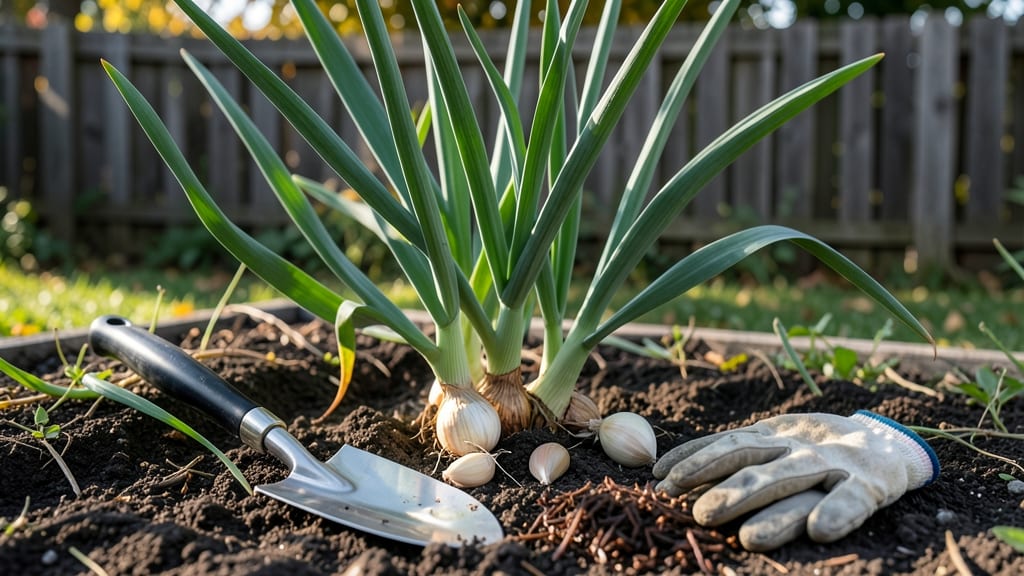
If you’ve ever wondered when to plant garlic in California, the answer isn’t one-size-fits-all—because this state’s climate is as diverse as its landscapes. From the chilly coastal fog of San Francisco to the toasty inland valleys of Sacramento, timing your 🧄 harvest depends entirely on where you live.
Most gardeners in USDA Zones 9-10 (like much of coastal California) know the secret: fall planting is the golden ticket. But inland areas with milder winters? You might still have a window in early winter.
The key is getting those cloves in the ground when soil temps dip to 50-60°F, ensuring strong roots before winter sets in.
Here’s the game-changer: regional adjustments can shift your planting window by months. Coastal gardeners might start as early as October, while desert growers could wait until January. We’ll break down the best months for your exact location—so you can grow bold, flavorful bulbs without the guesswork.
Ready to master your garlic timeline? Let’s dive into the exact planting schedule for your corner of California, plus pro tips to avoid common mistakes that ruin harvests. Your kitchen’s about to thank you.
California garlic planting calendar by region: coastal vs. valley vs. desert
Timing your garlic planting in California depends entirely on where you live—coastal areas like San Francisco have milder winters, while inland Central Valley zones (like Sacramento) can dip below 50°F.
Desert regions like Palm Springs offer a second planting window for summer harvests. The key? Plant when soil temps hover between 50-60°F and avoid frost exposure.
Most California gardeners plant garlic in fall (October-December) for a summer harvest, but coastal areas can extend this window into January-February. Inland valleys should plant by November to avoid winter frost damage. Desert gardeners can even try spring planting (March-April) for summer harvests, though yields may be smaller.
Here’s your region-specific planting calendar, including ideal months, soil prep tips, and frost considerations:
| Region | Ideal Planting Months | Soil Temp Goal (°F) | Frost Risk | Harvest Window |
|---|---|---|---|---|
| Northern Coast (San Francisco) | October–January | 55–60°F | Low (rare frost) | July–August |
| Central Valley (Sacramento) | October–November | 50–55°F | Moderate (light frost Dec–Jan) | June–July |
| Desert (Palm Springs) | March–April (spring) or October (fall) | 60–65°F (spring) / 55–60°F (fall) | None | June–July (spring) / August–September (fall) |
🌱 Pro Tip: Use a soil thermometer to confirm temps before planting—garlic roots need consistent coolth to establish.
For coastal gardeners, the extended window means you can plant garlic as late as February and still harvest by August. However, avoid planting after January in inland valleys—frost can damage emerging shoots.
Desert gardeners should prioritize fall planting (October) for larger bulbs, as spring-planted garlic often struggles with summer heat.
One common mistake? Assuming all California regions share the same timeline. For example, Rocambole garlic, a hardneck variety popular in Northern California, thrives in cooler coastal soils but may bolt (go to seed) in Central Valley heat.
Always check your USDA zone (9-10) and local microclimate before selecting varieties.
Soil preparation is just as critical as timing. Work in 2–3 inches of compost or well-rotted manure to improve drainage, especially in clay-heavy Central Valley soils.
Aim for a pH of 6.0–7.0—garlic hates acidic or alkaline extremes. Test your soil in September to give yourself time to amend before planting.
If you’re in a warmer microclimate (like Los Angeles or San Diego), consider softneck varieties like Silverskin, which tolerate heat better than hardnecks. These also store longer, making them ideal for year-round harvests if planted in stages.
For cooler coastal areas, hardneck varieties like Artichoke or Purple Stripe produce larger bulbs and flavorful scapes.
Remember: garlic needs 6+ hours of sun daily, but in summer-heavy desert regions, provide afternoon shade to prevent bolting. Mulch with straw or wood chips to retain moisture and suppress weeds—critical in drought-prone areas.
Water deeply once a week, aiming for 1–1.5 inches per week, and avoid wetting the foliage to prevent fungal diseases like white rot.
For a foolproof harvest, mark your planting date and count back 240 days (the average maturity time for garlic). Adjust for your region—coastal varieties may take 300 days, while desert-grown garlic can mature in as few as 180 days if planted in spring.
When lower leaves turn brown and crisp but upper leaves stay green, it’s time to harvest—gently dig with a fork to avoid damaging bulbs.
How to adjust planting for late harvests: extending your garlic season in California
California’s mild winters let you play with garlic planting timings—especially if you want late harvests for summer cooking. Most gardeners plant in fall, but winter planting (January-February) works too, especially in coastal areas where frost is rare.
The key? Adjusting for bulb maturity timelines and choosing the right garlic type (hardneck vs. softneck).
For a summer harvest, plant softneck varieties like Silverskin or Artichoke in January-February. These mature slower (240-300 days) and thrive in warmer microclimates like San Diego or Riverside. Hardnecks like Rocambole mature faster (180-240 days) but bolt in heat—so plant them earlier for spring harvests.
🌱
- 📅 January-February Planting: Ideal for late harvests (June-August). Choose softneck garlic for heat tolerance.
- 🌡️ Soil Temp Check: Wait until ground temps drop to 60°F (use a soil thermometer). Cold soil speeds up sprouting.
- 🌿 Overwintering Tip: Mulch 4-6 inches deep with straw to protect cloves from light frosts (common in inland valleys).
- ⏳ Maturity Timeline: Softnecks need 270-300 days; hardnecks 180-240 days. Adjust planting date based on your last frost risk.
- ☀️ Summer Heat Hack: If planting in Desert regions, use shade cloth (30-50%) to prevent bolting.
Pro tip: Test your garlic’s maturity by planting a small batch in January and another in October. Compare the bulb sizes at harvest—this helps you fine-tune future plantings. In coastal areas, you might even squeeze in two harvests (spring and summer) by staggering plantings every 6 weeks.
Watch for bolting (premature flowering) in hardnecks if planted too late. If you see flower stalks, harvest the cloves early (they’ll still be edible, just smaller). For softnecks, bolting is less critical—they focus on bulb development even in heat.
💡