
Plants
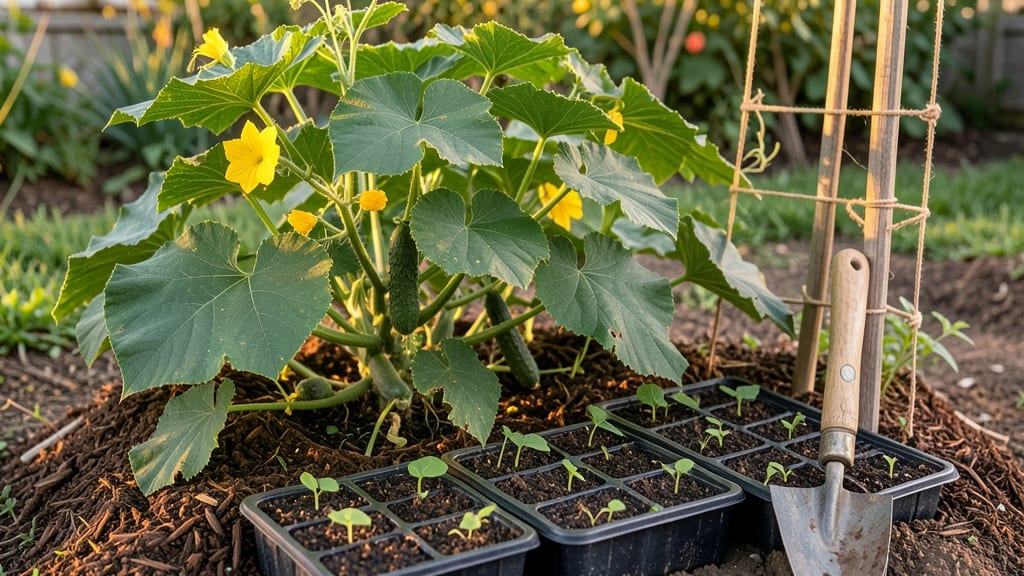
Timing your 🥒 cucumber planting in Australia can make or break your harvest—get it wrong, and you’ll end up with bitter, stunted fruits or worse, no cucumbers at all.
The good news? With Australia’s diverse climates, there’s a perfect window for every region, from the steamy tropics of Queensland to the cooler pockets of Victoria.
I’ve grown cucumbers across three different Australian zones, and the difference in success comes down to one thing: soil temperature. Too early, and cold soil stalls germination; too late, and the heat sends your plants bolting before you even get a taste.
Let me show you exactly when to plant for crisp, sweet cucumbers all season.
Whether you’re a city gardener with pots on a balcony or a rural grower with rows in the ground, the right timing is your secret weapon. We’ll cover regional heat zones, frost risks, and even how container growing changes the game.
By the end, you’ll know not just when to plant, but how to set your cucumbers up for success.
Ready to skip the guesswork? Let’s dive into the bolt-free planting schedule that’ll have you harvesting cucumbers like a pro—no matter where you live in Australia.
Australia’s cucumber planting zones by climate region
Australia’s diverse climate means cucumber planting times can vary wildly—from year-round growing in tropical Queensland to short summer windows in Tasmania. The key is understanding your heat zone and avoiding frost risks or extreme heat that triggers bolting.
Let’s break down the best months to plant based on Australia’s 8 climate regions.
Cucumbers thrive when soil temperatures reach 15-20°C (59-68°F). In cooler regions, wait until spring frost danger passes, while tropical areas may see two harvests per year. Always check your local Bureau of Meteorology frost dates to be safe.
Here’s how to match your location to the perfect planting window:
| Region | Heat Zone | Best Planting Months | Soil Temp (°C) | Frost Risk |
|---|---|---|---|---|
| Northern Queensland (Cairns, Darwin) | Tropical (Zone 11) | Year-round (peak: Mar-May, Sep-Nov) | 22-30°C | None |
| Brisbane, Gold Coast | Subtropical (Zone 10) | Aug-Oct, Feb-Apr | 18-25°C | Light (May-Jul) |
| Sydney, Melbourne (coastal) | Temperate (Zone 8-9) | Sep-Nov, Feb-Mar | 15-20°C | Moderate (May-Sep) |
| Adelaide, Perth | Cool Temperate (Zone 7-8) | Oct-Nov, Jan-Feb | 12-18°C | High (May-Oct) |
| Canberra, Hobart | Cool Continental (Zone 6-7) | Nov-Dec, Jan | 10-15°C | Very High (Apr-Oct) |
🌱 Pro Tip: Use row covers in cooler zones to extend seasons by 2-3 weeks.
In tropical Queensland, cucumbers grow best during the cooler dry season (March-May and September-November) to avoid heat stress. Meanwhile, temperate zones like Sydney should plant in spring (September-November) and early autumn (February-March) for two harvests.
For cool temperate regions (e.g., Canberra), focus on late spring to early summer (November-December) when soil warms above 10°C (50°F). Always test soil temperature with a soil thermometer—cucumbers won’t germinate below 15°C (59°F).
Container growing lets you plant 2-3 weeks earlier in cooler zones since pots warm faster. Fill containers with lightweight potting mix and place them in sunniest spots to accelerate soil warming.
Succession planting works in subtropical and tropical zones: Sow seeds every 2-3 weeks from August to April for a continuous harvest. Just avoid planting when daytime temps exceed 35°C (95°F).
If you’re in a frost-prone area, use black plastic mulch to raise soil temperatures by 3-5°C and protect young plants. This trick lets you plant 1-2 weeks earlier in spring.
🌿 Remember: Cucumbers hate cold feet—always wait for consistent warm soil before sowing, even if air temps seem mild. Patience now means sweet, crisp fruits later!
How to avoid cucumber bolting in hot Australian summers
Australian summers can turn your cucumber plants into bitter, bolted disappointments if you're not careful. Bolting—when cucumbers flower and fruit prematurely—happens when plants experience sudden heat stress or drought.
In regions like Queensland and Northern NSW, where temperatures often exceed 35°C (95°F), bolting is a common issue that ruins harvests.
Recognizing bolting early is key. Look for yellowing leaves, rapid stem elongation, and small, bitter-tasting fruits appearing too soon. Once bolting starts, your cucumbers may never recover their sweet, crisp quality.
The good news? With the right shade strategies, watering habits, and soil prep, you can keep your plants productive all summer long.
Cucumbers bolt when soil temperatures exceed 30°C (86°F) or when plants experience sudden temperature swings. In Australia's inland areas, this happens frequently during December-February. Use shade cloth (30-50%) to reduce leaf temps by 5-10°C.
Start by choosing the right shade solutions. A 30% shade cloth works well in subtropical zones like Brisbane, while 50% coverage is better for inland areas such as Broken Hill or Alice Springs. Install shade cloth before temperatures hit 28°C (82°F)—usually by November in most regions.
Your watering routine makes a huge difference too. Cucumbers need deep, consistent moisture, especially during fruit development. Water early in the morning to reduce evaporation and avoid wetting leaves (which encourages fungal diseases).
In hotter climates, aim for 2-3cm of water per week, delivered through drip irrigation or soaker hoses to keep roots cool.
Don't forget about mulching—it's one of the simplest ways to regulate soil temperature. Apply 5-7cm of organic mulch (like straw or lucerne) around your plants to keep soil temps 5-8°C cooler than exposed ground.
This also helps maintain even moisture levels, reducing the risk of bolting triggers like drought stress.
For container growers in urban areas, bolting prevention requires extra attention. Use larger pots (30+ liters) with fast-draining mixes and move containers to shadier spots during peak afternoon heat. Elevate pots on brick stands to improve airflow and reduce root zone heating.
With these strategies, you'll keep your cucumbers producing sweet, crisp fruits all summer—no bitter surprises! The key is proactive heat management, not reactive fixes. Start implementing these tips now, and your cucumber harvest will thank you.