
Plants
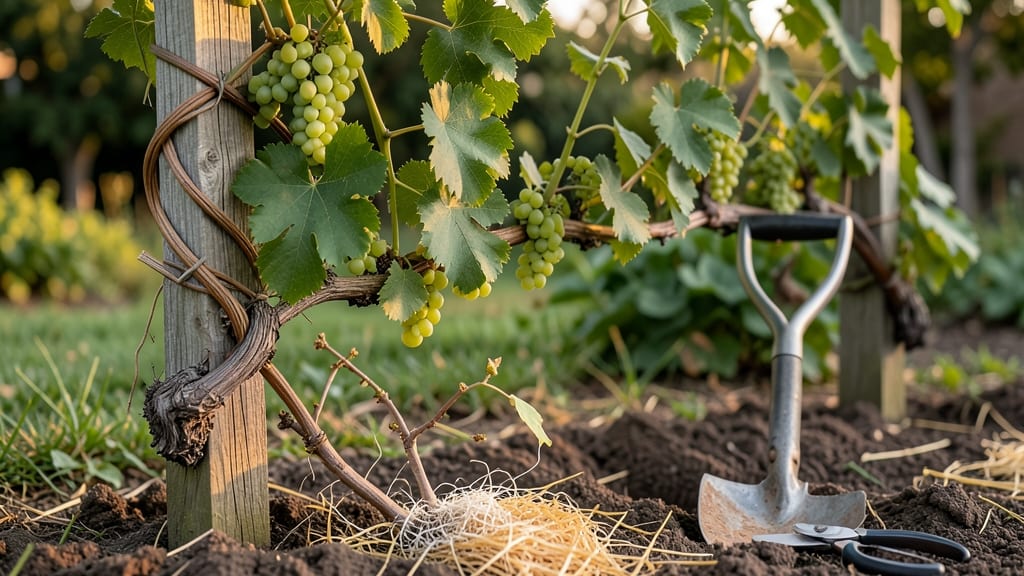
Planning to plant grapes in California? Timing your planting just right could mean the difference between thriving vines and wasted effort. The state's diverse microclimates—from coastal fog to inland heat—create unique windows for planting that align with chill-hour needs and frost risks.
I’ve spent years working with California vineyards, and the most important factor isn’t just the calendar—it’s understanding your specific zone’s frost-free start date. Whether you’re in the cooler coastal regions or the warmer Central Valley, getting this right ensures your grapevines establish strong roots before summer’s heat kicks in.
In this guide, I’ll break down the ideal planting months for your area, including how to prep soil, choose between bare-root or potted vines, and even container-growing tips. You’ll discover exactly when to plant for maximum success—no guesswork involved.
Ready to turn your grape-growing dreams into a reality? Let’s dive into the game-changer timing strategies that work for California’s top wine regions—and your backyard too.
California’s best grape planting months by chill-hour Zone
California’s diverse climate means grapes thrive differently depending on your region’s chill hours. These hours—colder temperatures needed for dormancy—determine when to plant. Warm coastal areas (like Santa Barbara) need 0-300 chill hours, while inland valleys (like Napa) require 700+ chill hours for cold-hardy varieties.
Planting too early in high-chill zones risks frost damage, while late planting in warm zones can stress vines before summer heat sets in. The sweet spot is after the last frost but before soil temperatures hit 60°F—typically February to April for most regions.
Here’s how to match your local chill hours to the best planting window:
| Chill-Hour Zone | Best Planting Window | Soil Prep Timing | Frost Risk |
|---|---|---|---|
| 0-300 Chill Hours | March–April | Prepare soil by February | Low (coastal) |
| 300-700 Chill Hours | February–March | Prepare soil by January | Moderate (valleys) |
| 700+ Chill Hours | January–February | Prepare soil by December | High (mountains) |
For coastal regions, like San Diego or Santa Barbara, March to April is ideal because frost risk is minimal and soil warms quickly. In inland valleys (e.g., Central Valley), plant in February to avoid late-spring frosts that can kill young vines.
In high-chill zones (e.g., Sierra foothills), January planting gives vines time to establish roots before summer heat. Always check your local frost dates—the USDA Plant Hardiness Zone Map is your best tool for precision.
Soil preparation is just as critical as timing. Amend clay soils with compost to improve drainage, and test pH levels (ideal: 6.0–7.0). Mulch heavily after planting to retain moisture and regulate soil temperature.
If you’re planting bare-root vines, do it as soon as soil is workable (usually 2–4 weeks before your ideal window). For potted vines, wait until soil temps hit 60°F to minimize transplant shock.
Pro tip: Container-grown vines can be planted 2–3 weeks later than bare-root, since their roots are already established. Just ensure containers have drainage holes and use well-draining potting mix.
Remember, grapes are perennial, so first-year growth focuses on root and cane development—not fruit. Prune lightly in winter to encourage a strong structure for future harvests.
🌱
How to calculate your local frost-free start date for grapes
Finding your local frost-free start date is the secret to planting grapes successfully in California. Unlike other crops, grapes need a warm soil window—usually after the last frost—to establish roots before summer’s heat arrives.
I’ve seen too many gardeners rush planting and end up with weak vines struggling in 100°F+ temperatures.
Start by checking the USDA Plant Hardiness Zone Map for your area. California ranges from Zone 7 (cooler coastal areas) to Zone 11 (desert regions). For grapes, focus on Zones 8-10, where most commercial vineyards thrive.
But don’t stop there—your microclimate matters. A valley might be Zone 9, while a nearby hillside could be Zone 8 due to cooler nights.
Next, use historical frost data from your local National Weather Service office or California Climate Tracker. Look for the average last frost date over the past 10 years. Add 2-4 weeks to this date for your planting window—this gives your vines time to root before summer’s heat peaks.
For example, if your last frost is April 15, aim for planting between May 1 and May 15.
Step-by-Step Frost-Free Planting Guide
- Step 1: Determine your USDA Zone (8-10 for grapes).
- Step 2: Find your local last frost date (use 10-year averages).
- Step 3: Add 3-4 weeks for soil warming (use a soil thermometer).
- Step 4: Plant bare-root vines in early spring or potted vines in late spring.
- Step 5: Monitor nighttime temps—avoid planting if frost is forecasted.
Pro tip: Use a soil thermometer to confirm soil temps are above 60°F before planting. Cold soil slows root growth, and grapes need warmth to establish quickly. In coastal areas, soil warms slower—plant 4-6 weeks later than inland regions.
For example, San Francisco’s last frost might be March 15, but soil won’t be ready until mid-April.
Don’t forget to account for microclimates. A south-facing slope warms faster than a north-facing yard, so adjust your timing accordingly. If you’re in a high-desert area like the Central Valley, you can plant earlier (March-April) because frost risks are lower.
But in cooler coastal zones, wait until May or June to avoid late frosts.
Once you’ve nailed your frost-free window, mark your calendar and prepare your soil. Well-draining, slightly acidic soil (pH 6.0-6.5) is critical for grapevines. Amend with compost and avoid planting in heavy clay—grapes hate soggy roots.
With the right timing and prep, your vines will be thriving in no time! 🌱