
Plants
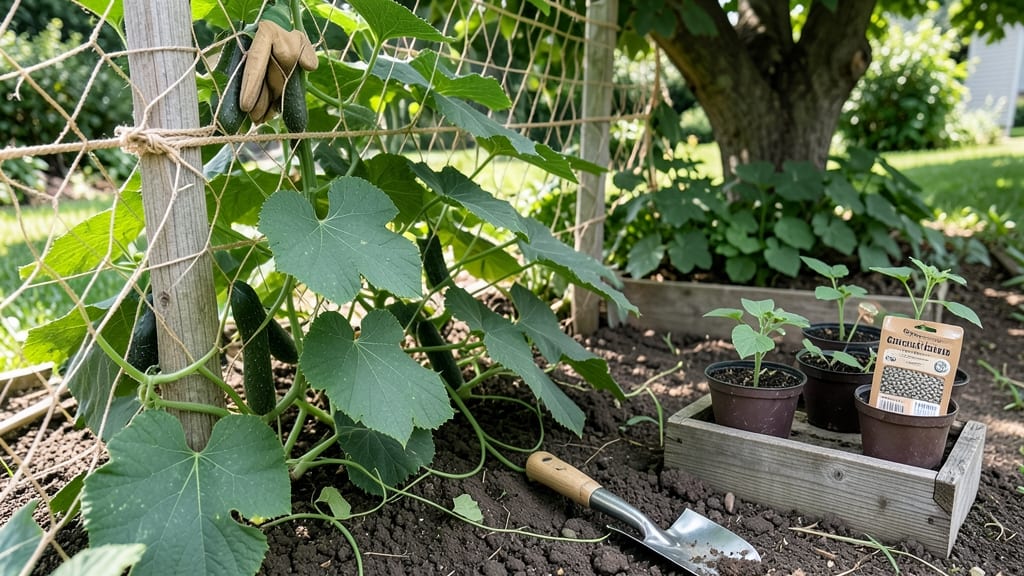
Timing your cucumber planting in New Hampshire isn’t just about the calendar—it’s about dodging frost and avoiding the dreaded "bolt" that turns your plants into bitter, flower-filled failures. With our 5a-6b climate, getting it right means the difference between a July-to-September harvest and a disappointing flop.
Most gardeners in New Hampshire wait until mid-May to early June after the last frost, but there’s more to it than just dates. Soil temperature matters just as much—wait until it hits 60°F or your seeds will sit there, stubborn and cold.
I’ll show you exactly how to track local frost patterns and use them to your advantage.
Once you’ve got the timing down, the real trick is extending that harvest window. Whether you’re growing straight-eight varieties or trellising your 🥒 plants to beat the wind, I’ve got the strategies to maximize your yield in NH’s short growing season. Let’s turn those planting guesses into a foolproof system.
Ready to stop second-guessing and start growing? I’ll walk you through the exact steps—from soil prep to succession planting—to ensure your cucumbers thrive from July through September. No more wasted seeds or bitter surprises, just a garden full of crisp, homegrown 🥒 goodness.
New Hampshire cucumber planting dates by last frost average
New Hampshire’s USDA Zones 4a-6b demand precise timing for cucumbers, or you’ll risk frost damage or the dreaded bolt (premature flowering).
Based on 2010–2023 NH frost records, your optimal planting window is May 10–25 for direct sowing, but starts can go in as early as April 15–May 1 under protection.
Why? Cucumbers hate cold soil—they need soil temps above 60°F to germinate. In NH, average last frost dates range from May 10 (southern NH) to May 25 (northern NH), but microclimates (like valleys) can delay frost by 1–2 weeks.
Always check NOAA’s NH frost maps for your exact location.
Here’s the golden rule: Plant cucumbers 2–3 weeks after your last frost when soil is consistently 60°F+. Use a soil thermometer—if it’s cooler, wait. Rushing leads to stunted growth or rot.
🌱
| Planting Method | NH Planting Window | Soil Temp Requirement | Key Risk |
|---|---|---|---|
| Direct Sowing | May 10–25 (after last frost) | 60°F+ (minimum) | Frost damage, slow germination |
| Transplants (starts) | April 15–May 1 (under row covers) | 55°F+ (tolerates cooler soil) | Transplant shock, bolt risk |
| Late Varieties (e.g., 'Straight Eight') | June 1–15 (for fall harvest) | 60°F+ | Shortened harvest season |
📅 Pro Tip: Use black plastic mulch to warm soil by 10–15°F, letting you plant 1–2 weeks earlier.
Your local frost history is your best guide. For example, Concord’s average last frost is May 15, while Berlin’s is May 22. To find your exact date, check NOAA’s Local Climate Data or use the Old Farmer’s Almanac frost calculator.
Enter your zip code, and it’ll show your 10-year frost average—plant cucumbers 3 weeks after that date.
For zero bolt risk, aim for May 20–June 1 in most of NH. This gives cucumbers 120–150 frost-free days to mature—critical in our short growing season.
If you’re in Zone 4a (northern NH), stick to fast-maturing varieties like 'Northern Pickling' (50 days) or 'Sweet Success' (55 days).
🌡️ Soil temperature is non-negotiable. Test it with a soil thermometer at 4 inches deep. If it’s below 60°F, wait—even if the air feels warm.
Cold soil = poor germination and weak vines. Pro gardeners in NH often use seedling heat mats for starts in early April to jumpstart growth.
Don’t forget succession planting! In NH, you can squeeze in two cucumber harvests: one in early June and another in early July. Plant every 2 weeks until July 1 to keep cucumbers coming. Just ensure each batch gets full sun and consistent water—no shortcuts!
💧 Watering tip: Keep soil moist but not soggy during germination. Once sprouted, aim for 1–2 inches of water per week, delivered in the morning to prevent powdery mildew.
How to extend cucumber season in NH’s short growing Zone
New Hampshire’s 120–150-day growing season can feel like a race against time for cucumbers—but with the right strategies, you can stretch your harvest from July to early September. The key? Cold-hardy varieties, protective tools, and smart planting techniques that defy NH’s early frosts.
Start by selecting NH-adapted cucumber varieties like 'Northern Pickling' or 'Straight Eight', bred to tolerate cooler soils and shorter seasons. These varieties mature in just 50–55 days, giving you a head start before fall’s chill sets in.
Next, use black plastic mulch to warm soil faster—this can shave 2–3 weeks off your planting window. Lay it down 2 weeks before sowing to raise soil temps to 60°F+, the ideal threshold for germination.
🌱 Proven NH Season-Extension Tactics
- Row Covers: Use floating row covers to protect seedlings from late frosts (May 1–15). Remove when flowers appear to allow pollination.
- Succession Planting: Sow new seeds every 2 weeks from May 15–June 15 for staggered harvests. Late varieties like 'Marketmore 76' thrive in July plantings.
- Trellising: Train vines on 6-foot trellises to improve airflow, reducing disease risk in NH’s humid summers. Dwarf varieties like 'Bush Champion' work well in containers.
- Cold Frames: Extend fall harvests by 3–4 weeks using low tunnels or cold frames. Cover plants when night temps drop below 50°F.
Don’t overlook soil preparation—NH’s clay-heavy soils drain poorly, leading to root rot. Amend beds with compost and perlite to improve drainage, and add 1 inch of mulch to retain moisture and suppress weeds.
For container gardening, choose 5-gallon pots with drainage holes and plant 1–2 vines per container. Place pots on heat-absorbing surfaces like black plastic or gravel to mimic mulched soil warmth.
Monitor NOAA frost forecasts and adjust your timeline accordingly. If your area has a history of early September frosts, prioritize fast-maturing varieties and harvest aggressively by mid-August to beat the cold.