
Plants
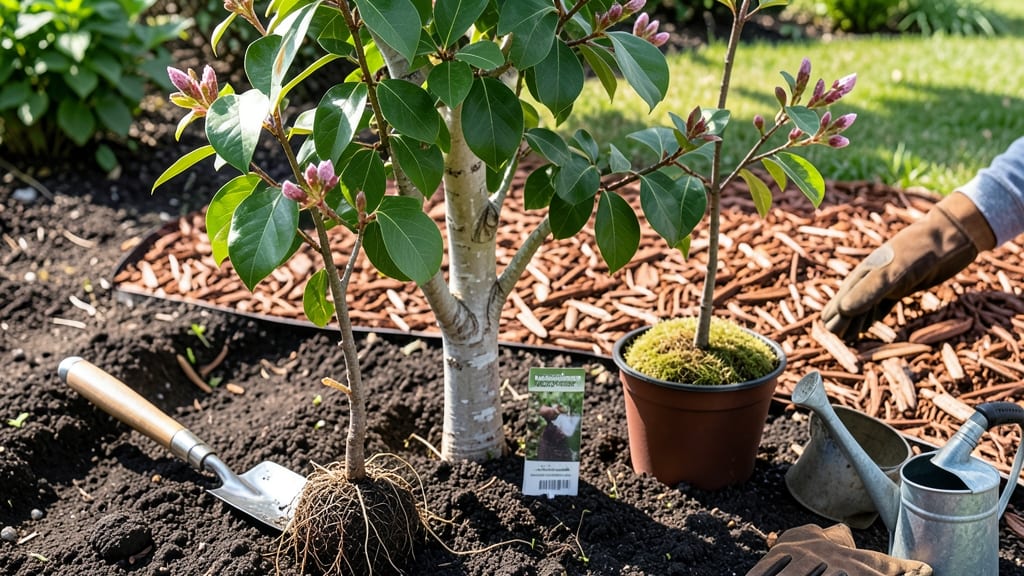
Planting your 🌸 crape myrtle in Texas at the wrong time can turn your dream shrub into a sad, wilted mess—but get the timing right, and you’ll unlock vibrant blooms and effortless growth.
The key is understanding how Texas’ heat zones dictate the perfect window, whether you’re in North Texas or down in the 8a-10b zones where frost is a distant memory.
Most gardeners swear by late winter to early spring, but that’s not a one-size-fits-all answer. In North Texas, you’ll want to wait until after the last frost date (usually mid-February), while South Texas gardeners can plant as early as January.
The goal? Soil temperatures that stay above 60°F—because crape myrtles hate cold feet.
Here’s the game-changer: container planting gives you flexibility, letting you adjust timing based on weather cues like consistent warmth or steady rainfall.
But even bare-root planting has its sweet spot—March or April—when the risk of frost fades and the heat ramps up, giving your 🌸 crape myrtle the best shot at thriving.
Ready to skip the guesswork? I’ll break down exactly how to match your county’s heat zone with the ideal planting window, plus soil prep tips to set your crape myrtle up for a stress-free start. Let’s make this your easiest (and most beautiful) planting season yet.
Texas heat zones for crape myrtle planting: best months by county
Texas’ diverse heat zones mean the best time to plant crape myrtle varies dramatically from the Panhandle to South Texas. North Texas (USDA zones 7b-8a) has later frost dates, while South Texas (zones 9a-10b) enjoys year-round warmth.
Aligning your planting with these zones ensures zero transplant shock and vibrant blooms.
Crape myrtles thrive when planted after the last frost date—typically mid-February in North Texas and as early as January in South Texas. However, soil temperature matters more than calendar dates. Aim for 60°F+ soil temps to kickstart root growth.
Spring planting (March-April) is ideal for most Texas counties, but fall planting in October-November works in South Texas zones 9-10, where winters are mild. In North Texas (zones 7-8), fall planting risks early frost damage before roots establish.
Here’s how Texas’ 11 heat zones break down for crape myrtle planting:
| Zone | Counties | Last Frost | Best Planting Window | Soil Temp Goal |
|---|---|---|---|---|
| 7b-8a | Panhandle, North Texas (Lubbock, Amarillo) | Feb 15-March 1 | March 15-April 15 | 60°F+ |
| 8b-9a | Dallas-Fort Worth, Waco, San Antonio | Feb 1-March 1 | February 20-April 15 | 60°F+ |
| 9b-10a | Austin, Houston, Corpus Christi | Jan 15-Feb 15 | January 30-April 30 | 65°F+ |
| 10b | Deep South Texas (Brownsville, McAllen) | Dec 15-Jan 15 | January-February or October-November | 70°F+ |
🌡️ Pro Tip: Use a soil thermometer to confirm temps—crape myrtles won’t thrive in cold soil.
In North Texas (zones 7-8), March is critical—planting before March 15 risks late frost damage, while waiting until April may delay first-year blooms. Dallas and Fort Worth gardeners often plant in late February if soil temps exceed 60°F.
For South Texas (zones 9-10), January-February is prime, but fall planting in October-November works if you’re in zone 10b. The key is avoiding summer heat stress—crape myrtles planted in May-June often struggle to establish before Texas’ 100°F+ summers hit.
Urban heat islands (like Austin or Houston) can push microclimates 5-10°F warmer than rural areas. If your yard feels hotter than surrounding zones, plant 1-2 weeks earlier to give roots time to adapt before peak summer.
Container planting extends your window slightly—you can plant crape myrtles in pots as early as February in North Texas and move them outdoors when soil warms. Just ensure containers have drainage holes to prevent root rot in Texas’ heavy clay soils.
Watch for localized heat spikes—some West Texas counties (like Midland or Odessa) can hit 90°F soil temps by April. If your area’s soil feels too hot, delay planting until late spring or use shade cloth for young plants.
Finally, avoid planting during Texas
Signs your Texas county is ready for crape myrtle planting (and how to prepare soil)
Texas’ unpredictable weather can turn your crape myrtle planting into a gamble—but these 5 key signs will tell you when your county is finally ready. First, check if soil temperatures have climbed above 60°F for at least 3 consecutive days.
In North Texas, this usually happens by mid-March, while South Texas gardeners can start as early as late February.
Next, monitor your local rainfall patterns. Crape myrtles thrive with 1-2 inches of rain weekly, but if your area’s been dry, plan to water deeply after planting.
Use a soil thermometer—it’s the most accurate way to confirm readiness, especially in USDA zones 8a-10b where frost is rare but heat arrives early.
🌱 Key Takeaway: Your Texas county is planting-ready when: ✅ Soil temps >60°F (use a thermometer!) ✅ Last frost date has passed (check your county’s average) ✅ Humidity stabilizes (avoid planting during sudden drops) ✅ Rainfall or irrigation is reliable (1-2 inches/week) ✅ Daytime highs consistently exceed 70°F