
Plants
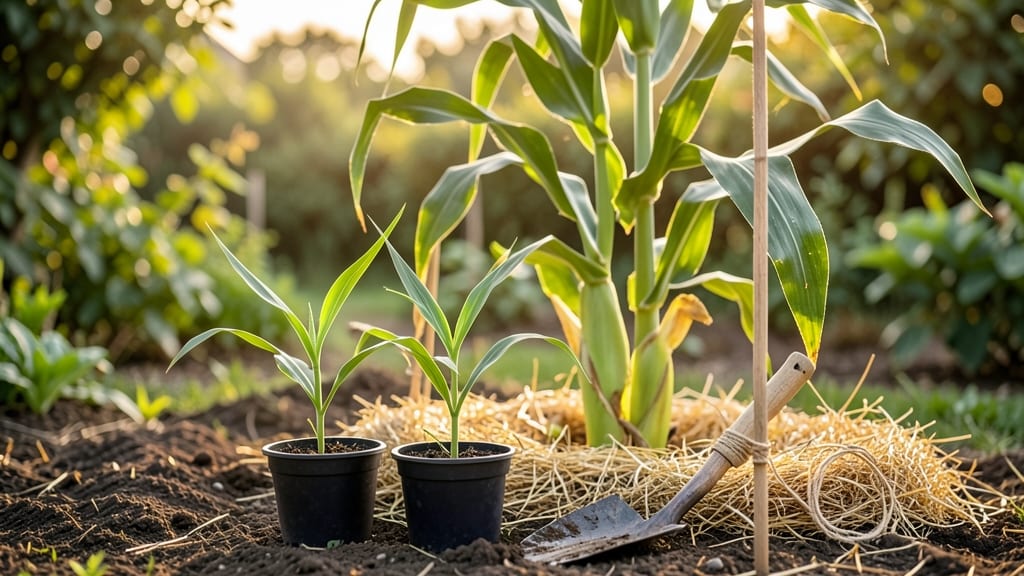
If you’ve ever tried growing 🌽 corn in Zone 9b and struggled with when to plant corn in zone 9b only to watch it bolt in the heat or produce tough, starchy ears, you’re not alone.
The key to success isn’t just choosing the right variety—it’s planting at the perfect time when soil temperatures and daylight align just right for your Southern California desert garden.
Unlike cooler zones, Zone 9b’s long, scorching summers mean corn must be planted early—between February and March—to beat the heat. Miss this window, and you’ll end up with bitter, underdeveloped ears or plants that struggle to mature before the temperatures soar past 90°F.
But with the right timing and heat-resistant varieties, you can harvest sweet, plump corn by May or June.
I’ve tested the best strategies for Zone 9b gardens, from coastal microclimates to inland deserts, and I’ll show you exactly how to time your planting for maximum yield.
Whether you’re a first-time gardener or a seasoned grower, these tips will help you avoid common pitfalls and grow corn that tastes like summer should.
Ready to skip the guesswork? Let’s dive into the exact months, soil tricks, and heat-resistant varieties that work in Zone 9b—so you can enjoy homegrown corn without the frustration.
Best planting months for Zone 9b corn: avoiding heat stress & bolting
Zone 9b’s climate—think Phoenix, Palm Springs, or coastal Southern California—means no frost and year-round heat. But corn thrives in cool-to-moderate temperatures, so timing is everything. Plant too early, and seedlings bolt (go to seed) in the heat.
Plant too late, and you’ll miss the harvest window before summer’s peak intensity. The sweet spot? February through early April, when soil temps hover between 60°F and 75°F.
Unlike cooler zones, Zone 9b gardeners can’t rely on frost dates—there aren’t any! Instead, focus on soil temperature and day length. Corn needs 60°F+ soil to germinate, but once it’s up, it struggles with consistent 90°F+ days.
That’s why late winter to early spring is ideal: you dodge the worst summer heat while still giving plants 80–100 days to mature before temperatures spike.
Here’s the 30-day planting schedule for Zone 9b’s microclimates: - Coastal areas (e.g., San Diego, Santa Barbara): Start seeds indoors in late January for February transplants.
Softer winters mean you can push it to early March outdoors. - Inland deserts (e.g., Phoenix, Palm Springs): Wait until mid-February to sow seeds directly, as nights stay cooler. Avoid planting after April 15—summer’s relentless sun will stress plants.
Pro tip: Use a soil thermometer to confirm temps. Corn seeds won’t sprout below 50°F, but 60°F+ is ideal for germination. If your soil runs hotter, try shade cloth over seedlings until they’re 6 inches tall.
Zone 9b’s long growing season might tempt you to try fall planting, but corn’s cool-season needs make this risky. Day lengths shorten in late summer, and nights cool—but by October, heat stress and ear rot become major threats. Stick to spring for reliable results.
Microclimates matter! Even within Zone 9b, elevation changes everything. High-desert areas (like Joshua Tree) can drop 20°F+ colder than coastal spots. Test your soil’s nighttime lows: if temps dip below 55°F consistently, you’ve got a few extra weeks to plant.
Succession planting is your secret weapon. Instead of one big March sowing, stagger plantings every 2 weeks until mid-April. This ensures a continuous harvest before summer’s heat sets in. Just pick fast-maturing varieties (see next section!) for this strategy.
Watch for heat stress signs like yellowing leaves or dropped tassels. If your corn starts bolting prematurely (sending up tall stalks without ears), it’s a sign you planted too early. Move to partial shade immediately and increase watering to 1–2 inches per week.
Remember: Zone 9b’s harvest window is tight. Aim to have corn tasseling (pollinating) by late April so ears fill out before June’s 100°F+ days. With the right timing, you’ll beat the heat and enjoy juicy, sweet corn all summer.
Zone 9b’s short cool season means every day counts. Start your corn seeds indoors in late January for a head start, or opt for fast-maturing varieties (like ‘Early Sunglow’) to squeeze in a second planting by mid-May.
Just be prepared to harvest by July before the real heat sets in.
One final tip:
Best planting months for Zone 9b corn: avoiding heat stress & bolting
In Zone 9b, the best time to plant corn is between mid-February and early March, when soil temperatures hover around 60-65°F. This window gives your corn enough time to mature before summer’s 100°F+ heat hits, which can cause heat stress or bolting (premature flowering).
Planting too late—like in April or May—risks stunted growth or ears that never fully develop.
Zone 9b’s microclimates matter! Coastal areas (like San Diego) can plant 1-2 weeks earlier thanks to milder temperatures, while inland deserts (like Phoenix) should wait until late February to avoid overnight chills. Always check your local soil temperature—corn seeds need at least 60°F to germinate reliably.
Pro tip: Use a soil thermometer to confirm readiness. If temps dip below 55°F, wait a week or use black plastic mulch to warm the soil faster. Corn planted in March typically harvests by May or June, just as summer heat ramps up—perfect timing for sweet, tender ears!
Succession planting works in Zone 9b! For a continuous harvest, sow a second batch in late March (if your area cools slightly). Choose fast-maturing varieties (under 80 days) to avoid summer heat. Just be ready to harvest by mid-July before temps become lethal.
Watch for heat stress signs: curled leaves, yellowing, or ears that dry out before maturing. If this happens, try shade cloth (30-50%) for seedlings or mulch to retain moisture. With the right timing, Zone 9b gardens can yield 2-3 ears per plant—worth the effort for fresh, buttery corn!