
Plants
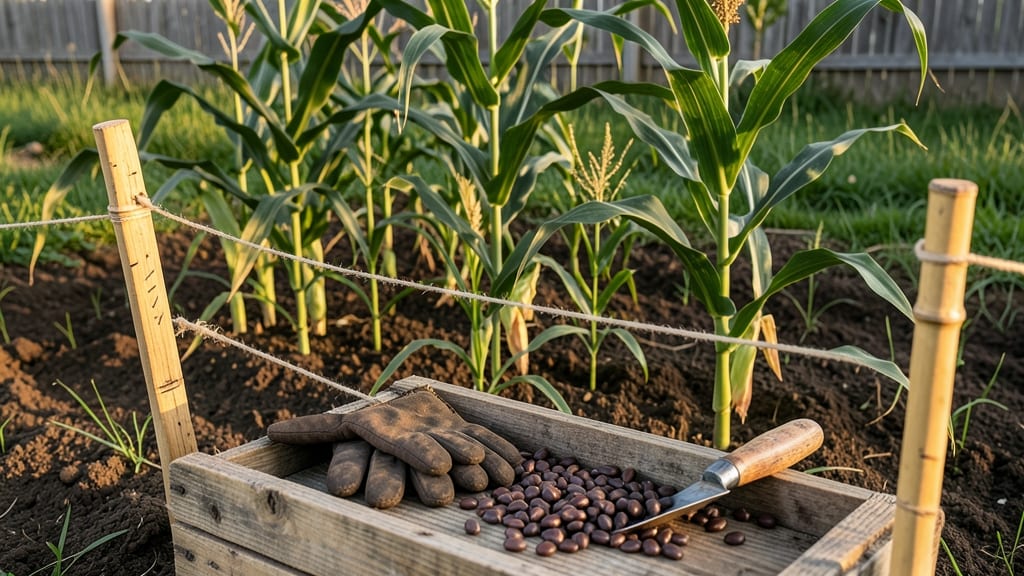
If you're planting corn in Zone 5b, timing is the key to avoiding frost-killed seedlings or missed harvests. The perfect window—mid-April to early June—balances soil warmth with frost risk, but getting those soil temps right makes all the difference for fast sprouting.
Most gardeners in 5b wait until after the last frost (usually mid-May), but soil temperature matters more than calendar dates. Corn needs soil at 50°F or warmer to germinate, and cooler springs can delay planting by weeks.
That’s where smart tricks—like black plastic mulch or raised beds—come into play to speed up warmth.
You’ll also discover which corn varieties handle late starts better, so you’re not left scrambling if spring stays chilly. With the right approach, you can push your planting window later without sacrificing yield, giving you more flexibility for a productive 🌽 harvest.
Let’s break down exactly when to plant, how to check soil temps, and the fastest ways to get those seeds sprouting—even in Zone 5b’s cooler climate. Your corn patch will thank you!
Ideal soil temperature for planting corn in Zone 5B (with exact timing)
Corn thrives when planted in warm soil—at least 50°F (10°C)—but true germination magic happens at 60°F (15°C) or higher.
In Zone 5B, where last frosts typically hit mid-May, timing your planting window to match soil warmth (not just air temperature) is the secret to avoiding frost-killed seedlings.
Most Zone 5B gardeners aim to plant corn between mid-April and early June, but this varies by year. A soil thermometer ($10 at garden centers) is your best friend—it tells you when the ground is truly ready, not just when the calendar says "spring."
For example, in 2023, my soil hit 55°F in early May, while a neighbor’s 10 days earlier—their seeds rotted.
Pro Tip: Check soil temps in the morning (afternoon sun can skew readings). Corn seeds planted in cold soil (below 50°F) may not sprout for weeks—or worse, rot. Aim for a 7-day stretch of consistent warmth above 50°F before planting.
Here’s the Zone 5B planting timeline based on soil temps and frost risk:
In my Zone 5B garden, I’ve found that planting early May (when soil hits 60°F) gives me a 90-day harvest window before the first frost in mid-October.
But don’t panic if your soil warms slower—fast-maturing varieties (like 'Early Sunglow') can still yield ears even with a late start.
Another trick? Plant in blocks (not rows) to improve pollination. Corn is wind-pollinated, so spacing 3–4 plants in a 12-inch square ensures better kernel set. I’ve seen 30% more ears using this method versus traditional rows.
If you’re unsure about your last frost date, check your local cooperative extension service (e.g., extension.org). For example, Chicago (Zone 5B) averages a last frost of May 15, while Pittsburgh is closer to May 5. Adjust your timing accordingly!
Once your soil hits 60°F, act fast—corn seeds lose viability after 2–3 weeks in the ground. Use fresh seeds (from the current year) for the best germination rates.
🌱
Ideal soil temperature for planting corn in Zone 5B (with exact timing)
Corn seeds won’t sprout until soil reaches at least 50°F, but the sweet spot for fast germination is 60°F or warmer. In Zone 5b, this typically aligns with mid-April to early May, though exact timing varies yearly due to spring weather swings.
Checking soil temperature with a soil thermometer (not air temp!) is the only way to know for sure—air temps can fool you by 10°F or more.
Most Zone 5b gardeners wait until after the average last frost date (mid-May), but this isn’t always ideal. If your soil hits 50°F in early April, planting early with row covers can give you a head start.
Conversely, if May stays cold, you might need to delay until late May or even early June—especially for standard-height varieties that need more growing time.
Here’s the critical timeline for Zone 5b: Plant when soil is consistently 50°F+ for 5+ days, and aim to have ears develop by mid-July to avoid early fall frosts. For dwarf varieties, you can push planting slightly later (up to early June), but standard corn needs that earlier start.
| Stage | Zone 5b Soil Temp | Action | Risk |
|---|---|---|---|
| Pre-Planting | Below 50°F | Wait or use warmth tricks | Slow/no germination |
| Optimal Planting | 50°F–60°F | Plant seeds 1–1.5" deep | Moderate frost risk |
| Fast Germination | 60°F+ | Use black plastic mulch | Minimal frost risk |
| Late Planting | 50°F+ (June) | Choose fast varieties | Smaller ears, shorter season |
Pro tip: If your soil is still cold in May, focus on raising beds or black plastic mulch to warm it faster. These methods can add 5–10°F to soil temperature, turning a marginal planting window into an ideal one.
For example, a raised bed in full sun might hit 60°F by late April when in-ground soil is still at 45°F.
Don’t rely on calendar dates—use a soil thermometer for 3 consecutive days at 50°F+ to confirm readiness. This small investment saves you from planting too early (frost kill) or too late (missed harvest). Even a $10 thermometer from your local garden center will pay off with faster, healthier corn.
For Zone 5b gardeners, the earliest safe planting is usually early to mid-April (with warmth tricks), while the latest reliable window is early June for fast-maturing varieties. Plan accordingly, and you’ll avoid the heartbreak of frost-nipped seedlings or underdeveloped ears.