
Plants
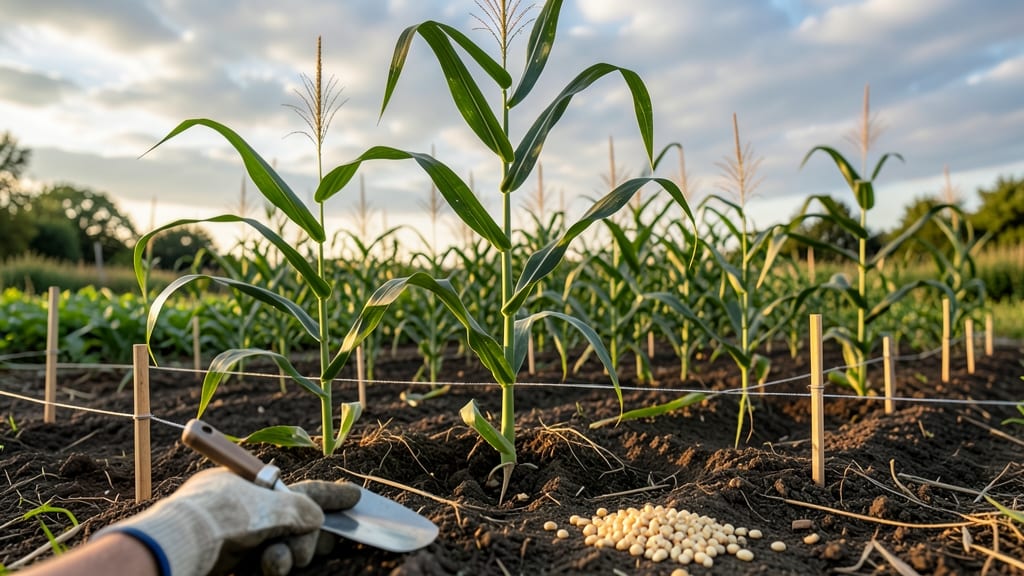
Planting corn in Missouri isn’t just about the calendar—it’s about catching the perfect soil temperature window between 50°F and 60°F to ensure fast germination and strong early growth.
With USDA zones 5b-6b bringing unpredictable spring weather, timing your 🌽 planting between April 15 and May 15 can mean the difference between a thriving crop and lost yield.
Missouri’s climate throws a curveball with frost risks lingering until mid-April in some areas, while southern regions may warm up faster. That’s why relying on soil thermometers—not just the date—is the game-changer for gardeners.
Whether you’re in St. Louis or rural farmland, knowing when the ground is ready to support those delicate corn seeds is critical.
In this guide, I’ll break down exactly how to time your planting for fast germination, including soil prep tips tailored to Missouri’s clay-heavy soils and regional variations.
You’ll learn how to adjust for early-spring vs. late-spring planting, avoid common mistakes, and even explore succession planting strategies to maximize your harvest from July through September.
Ready to turn your Missouri garden into a cornfield success story? Let’s dive into the critical factors that will help your 🌽 thrive—no guesswork required.
Missouri corn planting dates by soil temperature (not calendar months)
Missouri gardeners know timing is everything for corn—planting too early risks frost damage, while waiting too long cuts yield potential. The key isn't just checking the calendar but monitoring soil temperatures, which should reach at least 50°F for germination and 60°F+ for optimal growth.
In Missouri's USDA Zones 5b-6b, this typically translates to late April through mid-May, but microclimates vary dramatically between St. Louis, Kansas City, and rural areas.
For example, northern Missouri's cooler springs may delay planting until early May, while southern regions can start as early as mid-April. I always use a soil thermometer to confirm readiness—corn seeds won't sprout reliably below 50°F, and slow germination invites pests and disease.
Missouri's clay-heavy soils also retain cold longer, so don't rush planting just because your neighbor started in April.
Here's the critical data you need to time your planting perfectly:
| Region | Ideal Planting Window | Soil Temp Trigger | Last Frost Date |
|---|---|---|---|
| Northern MO (Zone 5b) | May 1-15 | 60°F+ consistent | April 20-30 |
| St. Louis Area (Zone 6a) | April 20-May 5 | 55°F+ minimum | April 10-20 |
| Kansas City (Zone 5b-6a) | April 25-May 10 | 58°F+ minimum | April 15-25 |
| Southern MO (Zone 6b-7a) | April 10-25 | 50°F+ minimum | March 25-April 10 |
Missouri's frost-free period averages 165 days, which is perfect for corn's 60-120 day maturity range. I always aim to plant early-maturing varieties (like 'Silver Queen' or 'Ambrosia') in northern areas to ensure harvest before fall frosts.
For southern Missouri, you can push to late May plantings for second crops, though yields will be smaller.
Pro tip: Check Missouri's frost risk maps from the National Weather Service—some years, late April frosts can push planting back by weeks. I monitor these maps starting in March to plan my soil prep accordingly.
Raised beds warm up faster than in-ground soil, giving you a 1-2 week head start if you're dealing with cold, heavy clay.
Don't rely on calendar dates alone—soil temperature is your true guide. Use a soil thermometer (available for under $20) to check daily, especially in Missouri's unpredictable springs. The ideal planting window shifts yearly based on weather patterns, so flexibility is key.
For example, in 2023, St. Louis gardeners had to wait until May 10 due to unusually cool soils, while 2022 saw planting as early as April 15.
Missouri's clay soils also play a role—they warm slowly and stay cold longer than sandy soils. If you're working with heavy clay, consider black plastic mulch to warm the soil 2-3 weeks faster and create a microclimate for earlier planting.
I've seen this method push planting back by nearly a month in cool springs.
For succession planting, aim for 2-week intervals between batches to extend your harvest. In Missouri, this means planting a second crop by late May in southern regions and early June in the north. Just ensure each batch has at least 90 days until your area's first frost to mature properly.
Remember: Corn needs warmth to germinate, and Missouri's springs can be deceptive. A 50°F soil might feel warm to touch, but seeds need consistent 60°F+ for reliable sprouting. Don't be fooled by daytime temperatures—always check the soil temperature at planting depth (1-2 inches) in the early morning.
5 Critical factors that change your Missouri corn planting timeline
Your Missouri corn planting schedule isn’t set in stone—it shifts based on 5 key factors that vary by location and growing conditions. Ignoring these can mean slower germination, stunted growth, or even failed crops.
Let’s break down how each factor alters your ideal planting window and what you can do to adapt.
First, corn variety plays a huge role. Early-maturity varieties like 'Early Sunglow' (60-70 days to harvest) can handle late-April plantings, while late-maturing types (90+ days) need to go in by mid-April.
Check your seed packet for days to maturity—this determines how much time you have before Missouri’s first frost in October.
Next, elevation matters. Higher elevations in northern Missouri (like St. Louis County) may have 2-3 weeks later planting windows than southern areas (like Southeast Missouri). Use your local USDA frost map to adjust—planting too early in cooler microclimates risks frost damage to young seedlings.
Soil drainage is another game-changer. Missouri’s clay-heavy soils can trap moisture, delaying planting until the ground warms and dries enough. Test your soil’s drainage rate by digging a hole—if water pools after 6 hours, wait for warmer, drier conditions before planting.
Don’t overlook last-frost dates, which can vary by 10+ days across Missouri. While the average last frost is April 15, rural areas often see frost until mid-May. Always plant 2 weeks after your local last frost date to give seedlings a fighting chance.
Organic vs. conventional soil prep also shifts timing. Organic gardens may need earlier planting (late March) to allow time for compost to warm the soil, while conventional soils with added nitrogen fertilizers can support late-April plantings without stressing the crop.
Pro tip: Use a soil thermometer to confirm readiness—corn seeds need 50°F minimum for germination, but 60°F+ ensures faster growth. Combine these factors with your local microclimate, and you’ll nail the perfect planting window every time.