
Plants
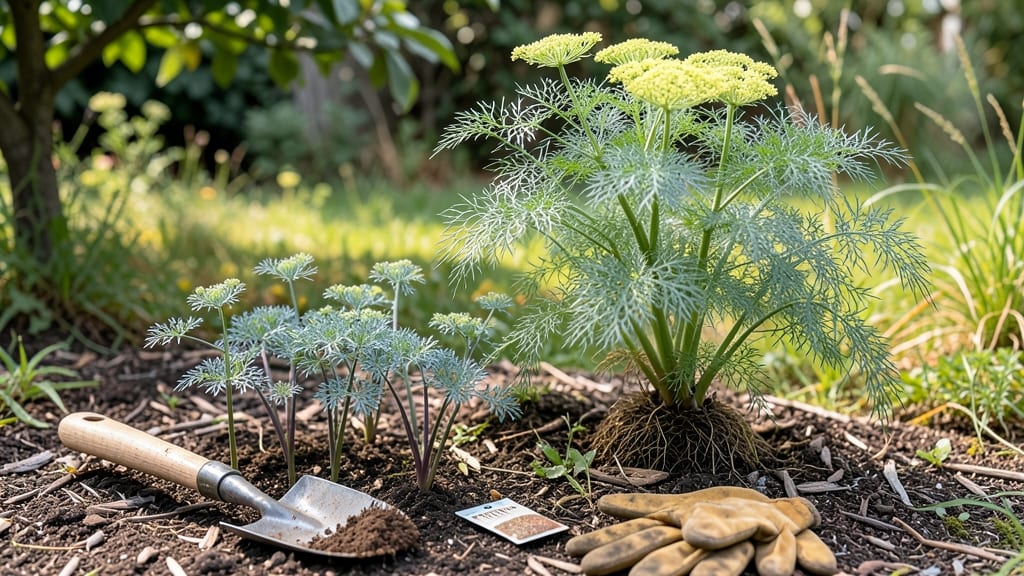
If you've ever planted dill 🌱 in Southern California only to watch it bolt into flower before you even get fresh leaves, you're not alone.
The key to success isn't just knowing when to plant—it's understanding how coastal Santa Barbara's ocean breezes create a completely different growing season than inland Palm Springs' scorching summers.
Most gardeners assume spring is the only time to plant dill, but that's where they go wrong. In our region, the perfect window actually spans from early fall through winter, giving you a head start before summer's heat arrives.
Let me show you exactly when to plant based on your specific microclimate—coastal or inland—and how to keep your dill thriving all season long.
What you'll discover is that coastal areas can plant as early as October, while inland zones should wait until November to avoid the worst heat. I'll also share my top tricks for extending your harvest through summer, including shade solutions and companion plants that protect your dill from bolting.
Ready to grow lush, flavorful dill consistently?
The secret lies in working with Southern California's unique climate—not against it. Whether you're a beginner or seasoned gardener, these insights will help you avoid common mistakes and enjoy fresh dill from your garden for months. Let's get started with the planting schedule that actually works for our region.
Optimal dill planting calendar for Southern California’s coastal vs inland regions
Southern California’s diverse microclimates create a unique challenge for dill growers. Coastal areas like Santa Barbara enjoy milder winters with frost-free growing seasons, while inland zones like Palm Springs face intense summer heat. Understanding these differences is key to timing your dill planting for maximum success.
In coastal regions, dill thrives when planted in late winter to early spring (February through April). The soil warms gradually, reducing the risk of bolting from heat stress. Inland areas, however, should aim for fall planting (September to November) to avoid the brutal summer sun.
This timing ensures your dill matures before temperatures soar above 90°F.
For both regions, soil temperature plays a critical role. Dill seeds germinate best in soil that’s at least 60°F. Coastal areas often hit this mark by mid-February, while inland zones may need to wait until late March to avoid germination delays.
Use a soil thermometer to confirm readiness—this small tool can save you from planting too early or too late.
Here’s how the ideal planting windows break down by region, including key frost dates and heat thresholds:
| Region | Best Planting Window | Soil Temp for Germination | Frost Risk | Heat Threshold |
|---|---|---|---|---|
| Coastal (Santa Barbara, San Diego) | February–April | 60–70°F | Low (rare frost) | >85°F (bolting risk) |
| Inland (Palm Springs, Riverside) | September–November | 60–75°F | None | >90°F (high stress) |
| Transitional (Los Angeles, Orange County) | February–March OR September | 60–70°F | Minimal | >88°F (moderate risk) |
If you’re in a transitional zone like Los Angeles or Orange County, you can actually plant dill twice a year: once in early spring and again in late summer.
This strategy leverages the region’s moderate climate to extend your harvest season. Just be prepared to provide light shade during peak summer months to prevent bolting.
Another pro tip: Direct sowing is best for dill, as transplants struggle to establish roots. Scatter seeds ¼-inch deep in well-draining soil and keep them consistently moist until germination (typically 7–14 days).
In coastal areas, you might see sprouts as early as February, while inland plantings may take longer due to cooler fall nights.
For coastal gardeners, the key is to plant early enough to avoid summer heat but late enough to escape winter rains. Aim for mid-March as your cutoff—any later, and your dill may bolt before producing those prized feather leaves.
Inland growers should prioritize fall planting to ensure harvests occur before temperatures climb above 90°F, which can stunt growth or trigger premature flowering.
One common misconception is that dill can handle any old spot in the garden. While it’s true that dill is relatively low-maintenance, it demands full sun (6–8 hours daily) and well-draining soil.
In coastal areas with high humidity, poor drainage can lead to root rot, while inland gardens may suffer from compacted soil if not amended with compost. Always test your soil’s drainage before planting—stick a trowel in the ground and fill the hole with water.
If it drains in 1 hour, you’re good to go.
Finally, remember that dill is a biennial in most of Southern California, meaning it can self-seed and return the following year if conditions are right. If you’re planting in coastal zones, you might even see volunteer dill popping up in spring without any effort on your part.
Embrace this natural cycle by allowing some plants to go to seed—it’s a free way to extend your harvest for years to come!
🌱
How to extend your dill harvest season in Southern California’s climate
Southern California’s mild winters and long growing season make it possible to harvest fresh dill year-round with the right strategies. Unlike northern climates, we don’t have to wait for spring—we can plant dill in fall, winter, and even late summer for continuous harvests.
The key is understanding how to beat heat stress and prevent bolting in both coastal and inland areas.
For coastal regions like Santa Barbara, where winters are cool but frost-free, you can plant dill as early as September and enjoy harvests through spring’s mild temperatures.
Inland areas like Palm Springs face intense summer heat, so planting dill in late summer (August) gives it time to establish before temperatures drop in fall. Both approaches require shade solutions and succession planting to maximize yields.
Here’s how to make it work in your garden:
- 📅 Succession Plant every 3-4 weeks from September to March for coastal areas, or August to October inland. This ensures a continuous supply of fresh dill.
- ☀️ Use shade cloth (30-50%) during peak summer months to protect plants from bolting caused by heat stress. Coastal gardens need this in late spring, while inland areas require it year-round.
- 🌿 Companion plant dill with cabbage, cucumbers, or tomatoes to deter pests like aphids and spider mites. Avoid planting near carrots or onions, which can stunt dill growth.
- 💧 Water deeply in the morning to keep soil consistently moist but not waterlogged. Coastal gardens may need less frequent watering due to higher humidity, while inland areas require daily watering in summer.
- ✂️ Harvest regularly by cutting outer stems first to encourage bushier growth. This prevents bolting and extends the harvest window by 4-6 weeks compared to a single harvest.
One of my favorite tricks is using container gardening for dill in inland areas. Pots allow you to move plants to shaded spots during the hottest afternoons (12 PM–4 PM) and bring them back to full sun in the mornings and evenings.
This mimics the coastal microclimate and gives dill the 6-8 hours of sun it needs without overheating.
For coastal gardeners, focus on fall and winter planting to avoid the humidity-related fungal risks of spring. Inland gardeners should prioritize late summer planting and use mulch to retain moisture.
Both strategies rely on soil preparation—amend your beds with compost and aged manure before planting to ensure well-draining, nutrient-rich soil.
With these methods, you can enjoy fresh dill for pickling, soups, or garnishes from early fall through late spring, no matter where you garden in Southern California. The secret? Adapt to your microclimate and stay proactive with shade, water, and companion plants.