
Plants
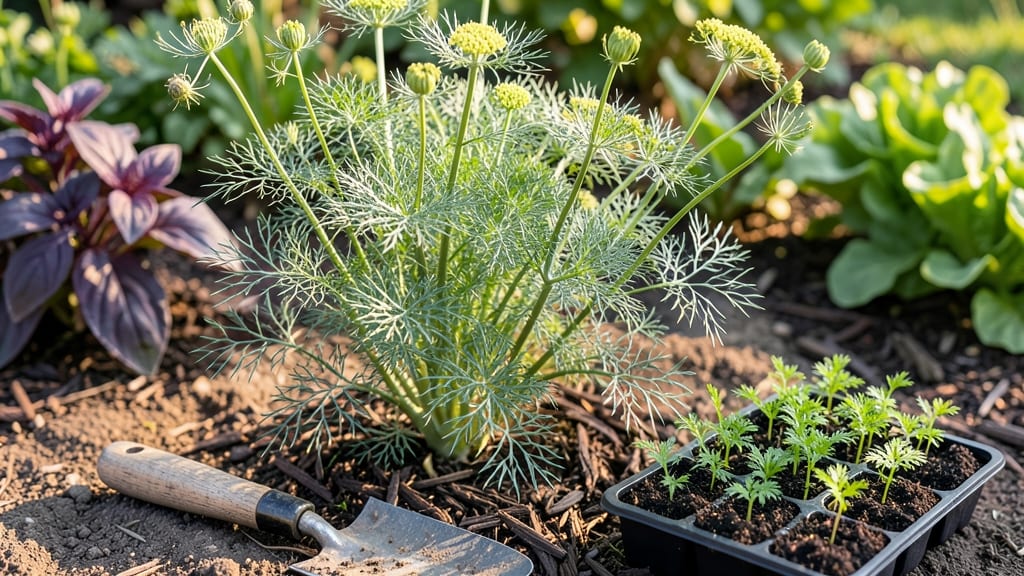
Knowing when to plant dill in Zone 9 is the secret to avoiding bitter, bolted plants and enjoying fresh 🌿 harvests all season.
Unlike cooler climates, Zone 9's mild winters and intense summers demand precise timing—plant too early, and the heat sends your dill shooting up flowers; too late, and you miss the prime harvest window.
For Zone 9 gardeners, the sweet spot is late winter to early spring, when soil temperatures hover around 50-60°F—just right for germination without triggering early bolting.
This means seed packets labeled for "cool season" crops actually work best here, but with a twist: we're cheating the system by planting earlier than most guides suggest.
I've learned the hard way that dill in Zone 9 isn't one-and-done—it's a succession planting game. The key is staggered sowings every 3-4 weeks from January through March, giving you a continuous supply of tender leaves before summer's relentless sun takes over.
Think of it as beating the heat at its own game.
What you're about to discover isn't just about dates—it's about reading your local microclimate. Coastal Zone 9 areas with cooler breezes can push planting slightly later, while inland spots might need that first batch in the ground by January.
Let's break down the exact timing that'll keep your dill happy and productive all the way through July.
Optimal planting windows for dill in Zone 9’s hot climate
Zone 9’s mild winters and long, hot summers create a unique challenge for growing dill. Unlike cooler climates, where spring planting is straightforward, Zone 9 gardeners must time their dill carefully to avoid bolting from heat stress.
The key is planting when daytime temperatures stay below 75°F—typically in late winter to early spring—before the summer heat peaks.
For most of Zone 9, the ideal planting window spans from mid-January to early March. This timing ensures seeds germinate in cooler soil while avoiding the extreme heat of late spring.
Coastal areas may extend planting slightly later due to milder microclimates, but inland regions should start earlier to beat the heat.
Here’s the breakdown: January-February is prime for direct sowing, while March works for succession planting if your first batch bolts prematurely. Avoid planting after mid-April, as daytime temperatures often exceed 85°F, triggering bolting within weeks.
Dill thrives in cool-season conditions, making fall planting another viable option in Zone 9. Sow seeds in September-October for a harvest before winter rains set in. This strategy lets you enjoy fresh dill during the cooler months while avoiding summer’s intense heat.
Microclimates play a huge role in Zone 9. Coastal gardeners can push planting into early April thanks to ocean breezes that moderate temperatures, while inland areas should aim for February at the latest.
Always check your local last frost date—Zone 9’s is typically mid-January—but remember, dill’s real enemy is heat, not frost.
Pro tip: Use a soil thermometer to monitor temperatures. Dill seeds germinate best in soil between 60°F and 75°F. If your soil heats up faster than expected, consider using shade cloth or planting in partial shade during peak afternoon sun.
🌱 Zone 9 Dill Planting Comparison
| Season | Best Months | Temperature Range | Bolting Risk | Microclimate Notes |
|---|---|---|---|---|
| Spring | Mid-Jan to Early Mar | 60°F–75°F | Low (if timed right) | Inland: Start by Feb; Coastal: Up to Apr |
| Fall | Sep–Oct | 65°F–70°F | None (cooler temps) | Best for second harvest; avoid Nov sowing |
| Summer | Avoid | Above 80°F | Very High | Use shade cloth if attempting; expect bolting |
🌡️ Pro Tip: Monitor afternoon temps—dill bolts when days exceed 85°F for 3+ days.
Succession planting is your best friend in Zone 9. Sow new seeds every 2–3 weeks from January through March to ensure a continuous harvest. For example, plant your first batch in mid-January, then follow up with February 1st and March 1st sowings.
This staggered approach maximizes yield and minimizes bolting risks.
If you’re new to dill, start with ‘Bouquet’ dill, a heat-tolerant variety that handles Zone 9’s climate better than standard types. Pair it with ‘Fernleaf’ dill for a bushier, slower-bolting option. Both varieties thrive when planted in well-draining soil enriched with compost—critical for preventing stress-induced bolting.
Remember: Dill’s flavor peaks when harvested young. By planting at the right time, you’ll enjoy fresh, aromatic leaves for 6–8 weeks before bolting becomes inevitable. With these timing strategies, you’ll turn Zone 9’s challenges into a bolt-proof dill harvest.
Optimal planting windows for dill in Zone 9’s hot climate
Zone 9’s warm winters and scorching summers create unique challenges for growing dill. Unlike cooler climates, dill thrives best in mild temperatures—ideal planting windows are short but critical. Missing them means either premature bolting or stunted growth from heat stress.
The key is timing: plant when soil temps hover between 50°F and 70°F for best germination and growth.
For most of Zone 9, the sweet spot is late winter to early spring—typically January through March. This aligns with cooler soil temperatures and avoids the brutal summer heat.
Coastal areas may extend planting slightly later due to milder microclimates, while inland regions should plant earlier to escape the 100°F+ temperatures that trigger bolting.
🌱 Pro Tip: Use a soil thermometer to confirm temps before planting. Dill seeds need consistent moisture and warmth to sprout, but once established, they’ll handle Zone 9’s heat better than most herbs.
Fall planting is only viable in coastal Zone 9 where summers are less extreme. Inland gardeners should skip fall and focus on spring planting instead. If you’re in a transitional microclimate, test soil temps weekly—dill seeds won’t germinate below 50°F or above 80°F.
For inland areas, aim to have plants established by May to avoid the peak heat.
💧 Watering Hack: Mulch heavily after planting to retain moisture. Dill’s shallow roots dry out fast in Zone 9’s sun, and consistent soil moisture prevents bolting. Use 2–3 inches of organic mulch (straw or shredded leaves) to keep roots cool.
Remember, succession planting every 2–3 weeks extends your harvest. Zone 9’s long growing season lets you plant dill in January, March, and even late August for a fall crop—just monitor temps closely.
The goal is to harvest before the first flower buds appear, or you’ll lose that fresh, tangy flavor.