
Plants
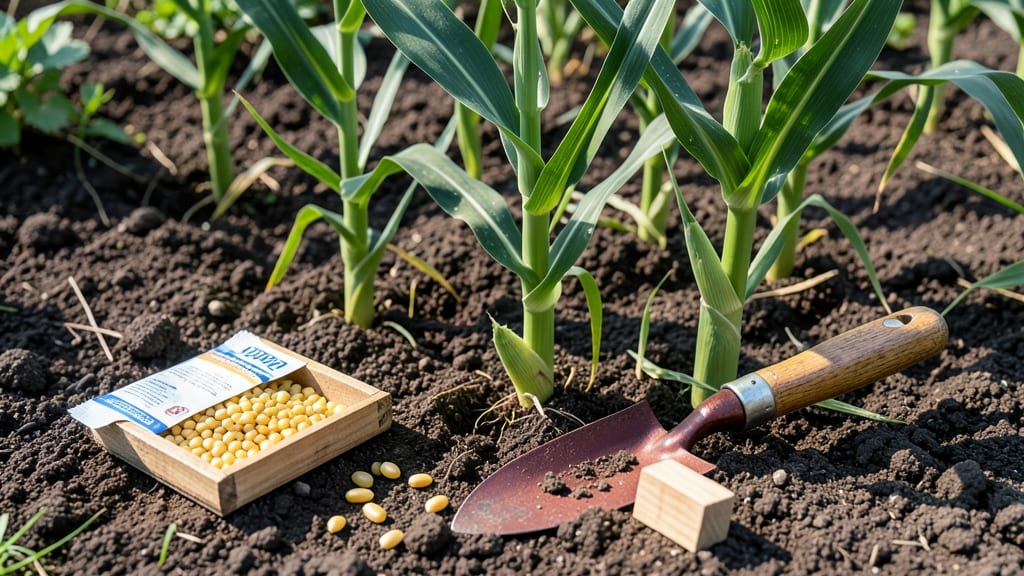
Timing is everything when it comes to growing 🌽 corn in Zone 6a—plant too early, and frost will nip those tender seedlings in the bud. But get it right, and you’ll be feasting on homegrown ears by late summer.
The key window here is mid-April to early June, right after the last frost date, but there’s more to it than just dates.
Why does this matter so much? Corn thrives on warmth, and planting too soon means struggling seedlings or stunted growth. In Zone 6a, where frost can linger until mid-April, rushing the process is a common mistake that leads to disappointment.
But with the right approach, you can maximize your harvest and avoid wasting seeds—or your time.
In this guide, I’ll break down the exact frost-free timeline you need to follow, including soil temperature tips and how to adjust for early vs. late varieties. Whether you’re a seasoned gardener or just starting, these insights will help you plant corn for a bountiful yield every time.
You’ll also discover the most critical mistakes to avoid, like planting too early or ignoring soil prep, and how to time your harvest for peak flavor. Let’s get those seeds in the ground at the perfect moment!
Optimal planting dates for corn in Zone 6A based on last frost
Corn thrives in Zone 6A when planted after the last frost date, typically around mid-April. However, soil temperature matters just as much—corn seeds need 60°F+ soil to germinate.
Waiting for both conditions ensures strong, healthy starts. Early April plantings risk frost damage, while late May sowings may mature too late for harvest before fall frost.
Your frost-free window in Zone 6A spans roughly 165 days, making spring planting critical. Corn varieties with 60-75 day maturity ranges (like 'Silver Queen') work best for early starts, while 100+ day varieties (e.g., 'Country Gentleman') need later planting. Always check your local USDA frost map for precise dates.
Here’s how to time it perfectly using soil temperature and frost dates as your guide:
| Stage | Action | Key Details |
|---|---|---|
| Soil Prep | Test soil pH (6.0-7.0) | Add compost for fertility |
| Planting Window | Mid-April to early June | After last frost, soil ≥60°F |
| Early Varieties | Plant by late April | 60-75 day maturity (e.g., 'Sweet Baby') |
| Late Varieties | Plant by mid-May | 100+ day maturity (e.g., 'Peaches and Cream') |
| Succession Planting | Every 2 weeks until June 1 | Extends harvest by 4-6 weeks |
Use a soil thermometer to confirm readiness—corn seeds won’t sprout below 50°F, and germination slows dramatically below 60°F. If your soil warms quickly, start planting late April for early varieties. For slower-warming areas, wait until early May to avoid stunted growth.
Microclimates play a role too. South-facing beds warm faster than north-facing ones, so adjust planting dates accordingly. If you’re in a cooler pocket of Zone 6A (like higher elevations), err on the side of later planting.
Always account for 10-14 days of buffer time before the first expected frost in October.
Corn needs consistent warmth to pollinate successfully. Planting too early risks frost damage to tassels (male flowers), while late plantings may not mature before first frost. Aim for harvest by early October to beat the cold. Use row covers if nights dip below 50°F during tasseling.
For maximum yield, stagger plantings every 2 weeks until early June. This ensures a continuous harvest and reduces the risk of losing an entire crop to late-season pests or drought. Example: Plant April 20, May 5, and May 20 for a spread-out harvest.
Watch for silking (when tassels appear) to gauge progress. If silks emerge but no pollen is present, your corn may not pollinate—this often happens with late plantings or cool nights. Adjust future plantings to avoid this issue. Morning sunlight and warm afternoons are ideal for corn’s growth cycle.
Pro tip: Plant corn in blocks (not rows) to improve pollination. This ensures better cross-pollination between plants, leading to more fully formed ears. Space plants 12 inches apart in blocks, with 30-inch rows between blocks for airflow and maintenance.
Finally, keep a planting journal to track your Zone 6A corn’s progress. Note soil temps, frost dates, and harvest times each year. Over time, you’ll refine your planting schedule for peak local success. Happy growing! 🌽
Optimal planting dates for corn in Zone 6A based on last frost
In Zone 6a, the last average frost date typically falls around mid-April, but this can vary by 1-2 weeks depending on your exact location.
Corn seeds won’t germinate well in cold soil, so wait until the soil temperature consistently stays above 50°F (10°C)—usually by late April to early May.
For the best results, aim to plant your corn seeds between mid-April and early June. This window ensures your plants mature before the first frost hits in mid-October. Early planting risks frost damage, while late planting may lead to stunted ears or poor pollination.
Here’s a quick reference for your planting timeline in Zone 6a:
| Stage | Action | Key Notes |
|---|---|---|
| Soil Prep | Early April | Loosen soil, add compost. Test pH (ideal: 6.0-7.0). |
| Plant Early Varieties | Mid-April to late April | Use 80-day varieties for earliest harvests. |
| Plant Mid-Season Varieties | Early May | Best for 90-100 day varieties—peak harvest. |
| Plant Late Varieties | Late May to early June | For 110-120 day varieties—extend harvest season. |
| First Frost Risk | Mid-October | Avoid planting after early June unless using fast varieties. |
If you’re unsure about your last frost date, check your local USDA Plant Hardiness Zone Map or use a frost calendar app like Old Farmer’s Almanac. Microclimates—like areas near lakes or hills—can also shift your planting window by 1-2 weeks.
Pro tip: Use biodegradable seed starters or plant directly into the soil after warming it with black plastic mulch. This helps speed up germination and gives your corn a head start in Zone 6a’s cooler springs.
Once your corn reaches 6-12 feet tall, it’ll need consistent watering and sunlight to produce those sweet, plump ears. But getting the planting timing right is the first step to success!