
Companion Plants
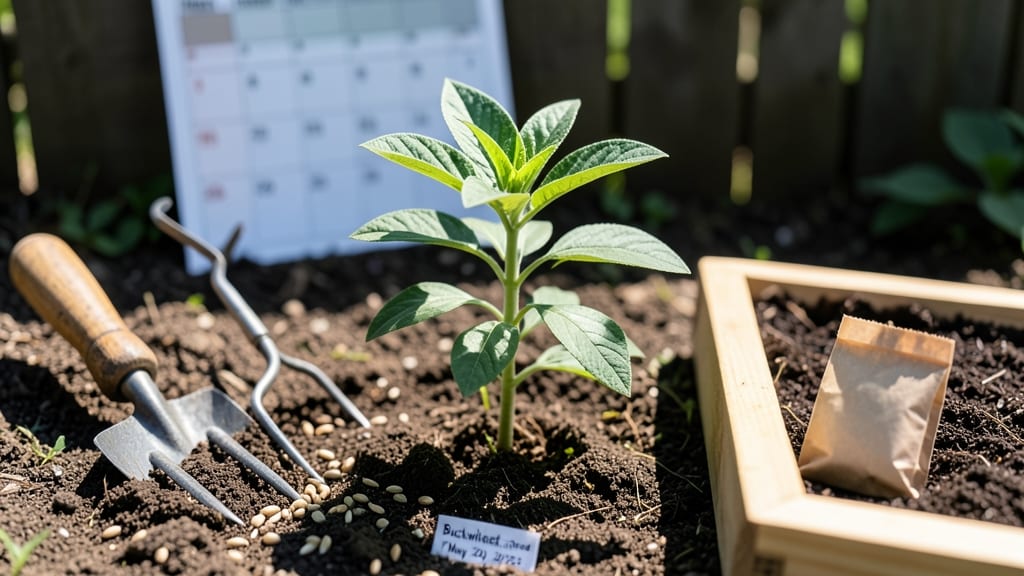
If you're wondering when to plant buckwheat in Pennsylvania, timing is the secret weapon that separates a thriving harvest from a disappointing one.
This fast-growing, nutrient-packed crop loves Pennsylvania's climate—but only when planted at the perfect moment, especially in Zones 5-7 where frost dates can shift dramatically from year to year.
Buckwheat isn't your typical spring crop; it's a summer powerhouse that needs warm soil and consistent heat to shine. Plant too early, and you'll risk stunted growth from lingering chills. Too late, and you might miss the sweet spot for maximum yield before fall frost arrives.
I've seen gardeners in central PA double their harvest just by shifting their planting window by a few weeks.
What makes buckwheat planning tricky is Pennsylvania's unpredictable weather patterns. One year might bring an early frost in September, while another keeps the heat going well into October. The key is understanding your specific microclimate—whether you're in the cooler Appalachian foothills or the warmer valleys—and adjusting your schedule accordingly.
In this guide, I'll break down the exact planting windows for each zone, share my proven strategies for handling late frosts, and reveal which buckwheat varieties perform best in Pennsylvania's short growing season. Let's get your garden ready for a bumper crop of this versatile summer staple.
Optimal Pennsylvania buckwheat planting dates by hardiness Zone (5-7)
Pennsylvania’s USDA Zones 5-7 offer perfect conditions for buckwheat (Fagopyrum esculentum), but timing your planting is critical. This fast-growing crop thrives in warm soil and can’t tolerate frost, so knowing your last spring frost date is essential.
In Zone 5, the average last frost falls around May 15, while Zone 7 sees frost-free conditions by April 15. Planting too early risks frost damage, while late planting may reduce yields before fall frost.
For maximum productivity, aim to plant buckwheat 4-6 weeks after your last frost date. This window ensures seeds germinate in 60-70°F soil, the ideal temperature for rapid growth. In Pennsylvania, this translates to late April to early May in Zone 7 and mid-to-late May in Zone 5.
Buckwheat’s 60-90 day harvest window means you can also plant a second crop in early August for a fall harvest before the first frost.
Microclimates within Pennsylvania can shift planting windows by 1-2 weeks. Mountainous regions like the Poconos (Zone 5) may need to wait until late May, while urban areas like Philadelphia (Zone 7b) can start as early as April 20.
Always check your local agricultural extension office for precise frost data—this crop is too sensitive to gamble on averages.
Buckwheat’s succession planting flexibility makes it a gardener’s best friend. By planting every 2 weeks from late April through early July, you can extend your harvest into October in most of Pennsylvania. This strategy works especially well in Zone 6-7, where fall frosts arrive later.
Just ensure your final planting completes its 60-day growth cycle before the first frost—typically October 15-30 in PA.
Soil temperature is more critical than air temperature for buckwheat. Use a soil thermometer to confirm 55°F+ before planting. In cooler zones like Zone 5, wait until soil reaches 60°F to avoid slow germination.
Warmer zones like Zone 7 can start planting as early as April 15, but always monitor for late spring frosts, which can still occur in early May.
Here’s a quick reference for Pennsylvania’s planting timeline by zone:
| Zone | Last Frost Date | Optimal Planting Window | First Succession Planting | Last Possible Planting |
|---|---|---|---|---|
| Zone 5 | Mid-to-late May | Late May - Early June | Early July | Early August |
| Zone 6 | Early May | Late April - Early May | Mid-June | Late July |
| Zone 7 | Mid-April | Late April - Early May | Early July | Early August |
For early-summer plantings, focus on May-June to ensure buckwheat matures before fall frosts. This timing aligns with Pennsylvania’s peak growing season and provides 6-8 weeks of ideal conditions.
In Zone 5, prioritize late May plantings to avoid early frost risks, while Zone 7 gardeners can experiment with April plantings if soil is warm enough.
Late-summer plantings in August are ideal for fall harvests but require careful monitoring. Buckwheat needs at least 60 days to mature, so your last planting should occur by early August in Zone 5 and mid-August in Zone 7.
Use row covers to extend the season if early frosts threaten. This strategy works best in southern PA, where fall frosts arrive later.
Pro tip: Plant buckwheat in full sun with well-draining soil to maximize yields. In Pennsylvania’s humid climate, ensure proper spacing (6-12 inches apart) to prevent fungal diseases. Mulch with straw to retain moisture and regulate soil temperature—critical for consistent germination.
🌱
Optimal Pennsylvania buckwheat planting dates by hardiness Zone (5-7)
Pennsylvania's USDA Zones 5-7 create distinct planting windows for buckwheat, with Zone 5 gardeners needing to be especially vigilant about frost dates.
The magic happens between your last spring frost and first fall frost, typically spanning June through August—but exact timing varies by 2-3 weeks depending on your microclimate.
For Zone 5 (western PA, Appalachian regions), aim to plant buckwheat seeds 2-3 weeks after your average last frost date, usually around mid-May to early June. This gives young plants time to establish roots before summer heat arrives.
In Zone 6 (central PA, Pittsburgh area), you've got more flexibility—late May to mid-June works perfectly for that first planting.
Here's where it gets interesting: Zone 7 (southern PA, near Philadelphia) gardeners can actually plant twice—once in late May and again in early August for a fall harvest.
The key is tracking your local frost dates using resources like the Penn State Ag Weather Network, which provides real-time frost predictions for your specific county.
Remember, buckwheat seeds need soil temperatures above 60°F to germinate properly. Use a soil thermometer to verify—planting too early when soil is still cool will delay germination by weeks.
I've seen gardeners in northeastern PA wait until June 10th to be safe, while those in southwestern PA can start as early as May 20th.
🌱 Pennsylvania Buckwheat Planting Comparison
| Zone | Best Planting Window | Soil Temp Requirement | Frost Risk |
|---|---|---|---|
| Zone 5 | Mid-May to early June | Above 60°F consistently | High late frost risk |
| Zone 6 | Late May to mid-June | Above 62°F | Moderate |
| Zone 7 | Late May AND early August | Above 65°F | Low (with succession planting) |
💡 Pro Tip: Use black plastic mulch to warm soil faster in cooler zones
For maximum yield, space your plantings 2-3 weeks apart throughout the summer. This succession planting strategy ensures you have fresh buckwheat ready to harvest every 60-75 days.
In my Zone 6 garden, I've had success with plantings on June 1st, June 15th, and July 1st—each batch gives me a new harvest wave.
Don't forget about fall planting in Zone 7! If you're near Philadelphia or Lancaster, you can sow seeds again in early August for a harvest before the first frost.
Just be prepared to harvest quickly—buckwheat matures fast when days get shorter. I've grown Manchurian buckwheat this way and still gotten 3-4 weeks of harvests before frost.