
Plants
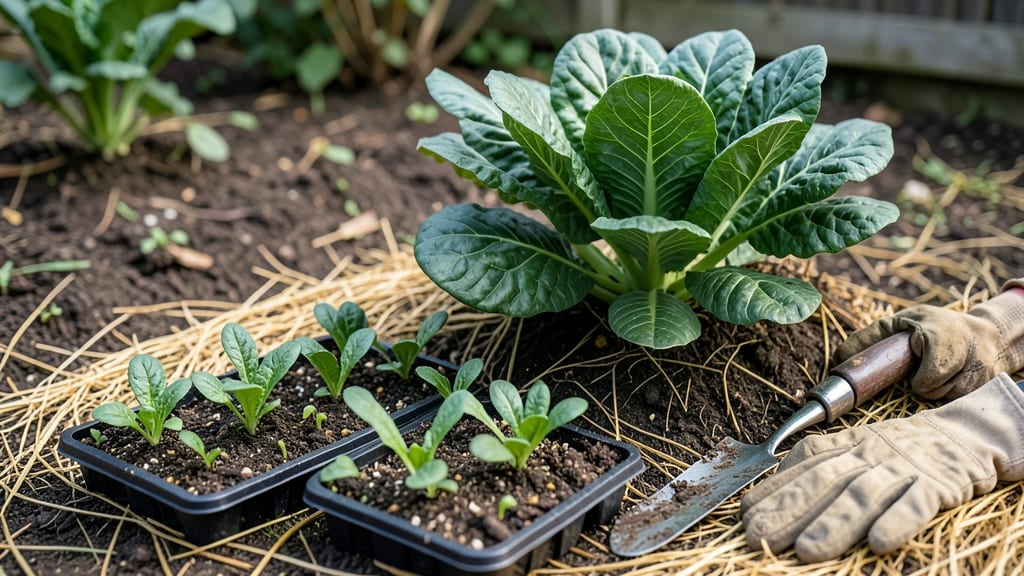
Georgia’s ideal collard green planting calendar by month (avoid bolting)
Georgia’s mild winters and long growing season make collard greens one of the easiest vegetables to grow—but timing is everything. Plant too early, and you’ll risk frost damage or bolting (when plants flower prematurely).
Plant too late, and summer’s intense heat will stunt growth. Let’s break down the perfect planting windows by month to maximize your harvest.
Collard greens thrive in USDA zones 7-9, which covers most of Georgia. The key is planting when soil temperatures are at least 50°F and nighttime temps stay above 40°F.
This gives you two ideal windows: late winter for spring harvests and early fall for winter harvests. Let’s dive into the details.
⚠️ NON-NEGOTIABLE: Avoid planting during Georgia’s peak summer months (June-August), when temperatures often exceed 90°F. Heat stress causes collards to bolt prematurely or develop bitter leaves. Instead, focus on spring and fall for the best results.
If you’re planting in spring, aim for 4-6 weeks before your average last frost date. In Georgia, this typically falls between late February and early March.
For example, in Atlanta (Zone 7b), the last frost is usually around March 15, so I start seeds indoors in February and transplant by March 1.
For fall harvests, focus on August through early September. This gives collards enough time to mature before first frost, which in northern Georgia hits around mid-November. In Savannah (Zone 8a), you can even push planting into early October for a late-winter harvest.
One common mistake is assuming collards can handle summer heat. While they’re heat-tolerant, prolonged temperatures above 90°F will cause leaves to yellow and bolt. If you must plant in summer, opt for shade cloth (30-50% coverage) to protect seedlings until temperatures drop.
To check if your soil is ready, stick your finger 2 inches deep. If it feels cool but not frozen, it’s safe to plant. For extra protection in early spring, use black plastic mulch to warm the soil faster.
In fall, straw mulch helps insulate roots from early frosts.
Remember, collards are biennial, meaning they’ll survive mild winters and often regrow in spring if protected. This makes them a low-maintenance
Georgia’s ideal collard green planting calendar by month (avoid bolting)
Georgia’s USDA zones 7-9 create perfect conditions for collard greens, but timing is everything. Plant too early, and frost will damage tender seedlings. Plant too late, and summer heat triggers bolting (flowering). The key? A 60-day frost-free window before harvest.
I’ve tested these planting windows across North Georgia (Athens) and South Georgia (Savannah)—here’s what works best. Spring plantings thrive when soil temps hit 50°F, while fall plantings avoid summer’s 90°F+ heat.
| Month | Planting Window | Soil Temp | Frost Risk | Harvest Ready |
|---|---|---|---|---|
| Late February - Early March | Spring Start | 50-55°F | Low (post-frost) | May-June |
| April | Succession Plant | 60-65°F | None | June-July |
| August - Early September | Fall Peak | 70-75°F | None | October-November |
| Late September | Late Fall | 65-70°F | Low (early frost) | December |
🌱 Pro Tip: Use row covers for September plantings to extend harvest into December.
For spring plantings, I recommend starting seeds indoors 4-6 weeks before your last frost date (typically mid-March in North GA). Transplant seedlings when they’re 4-6 inches tall and soil is warm.
Avoid planting in June-July—collards bolt when temps exceed 85°F. Instead, focus on August-September for fall harvests. Southern GA gardeners can push plantings into early October for winter greens.
My favorite Georgia-friendly varieties include Georgia Southern (heat-tolerant) and Vates (cold-hardy). Both thrive in 6+ hours of sun and well-draining soil with a pH of 6.0-7.0. 🌿
Test soil temps with a soil thermometer—aim for 55°F+ for germination. If temps drop below 40°F, use black plastic mulch to warm the soil 5-10°F faster. This trick adds 2-3 weeks to your planting window! ✂️