
Plants
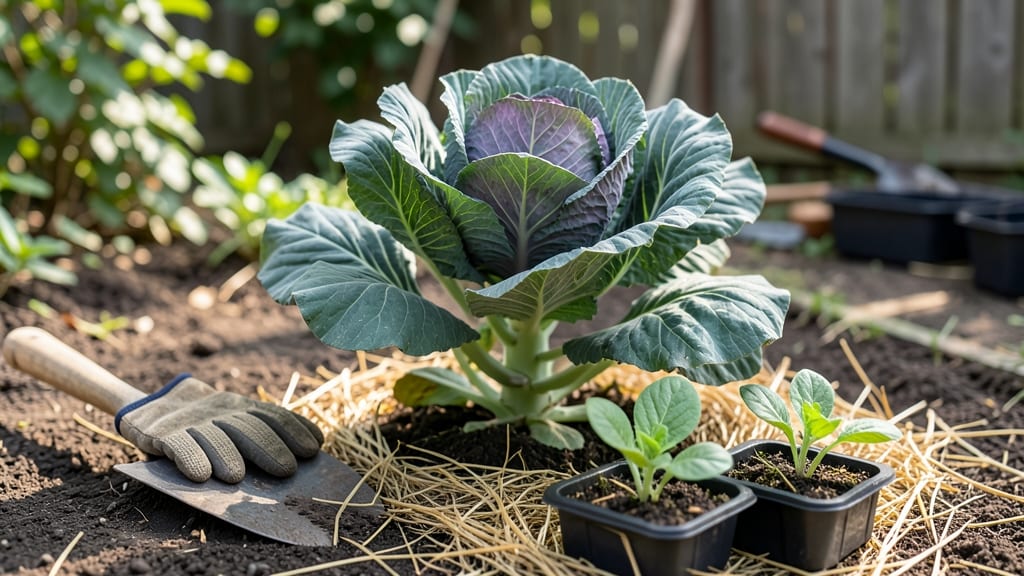
Planting cabbage in Georgia at the wrong time can turn your crisp 🥬 dreams into bitter, bolted disappointments—but getting the timing right guarantees sweet, homegrown harvests all season.
The key lies in two narrow windows: early spring (February-March) and late summer (August-September), when temperatures stay mild enough to prevent premature flowering.
Why does timing matter so much? Georgia’s heat triggers bolting—the dreaded process where cabbage sends up flowers instead of forming heads. I’ve seen firsthand how planting too early risks frost damage, while waiting too late means sweltering plants.
The solution? Strategic scheduling based on your USDA zone (7b-8b) and local frost dates.
In this guide, I’ll break down the exact planting deadlines for North, Central, and South Georgia regions, plus proven tricks to keep your cabbage cool when summer heat rolls in.
Whether you’re a first-time gardener or a seasoned grower, these insights will help you avoid common mistakes and maximize your yield.
Ready to grow cabbage that’s tender, flavorful, and ready to harvest? Let’s dive into the planting schedule that works for Georgia’s climate—so you can enjoy homegrown 🥬 from spring through fall without the stress.
Georgia cabbage planting calendar: exact spring and fall deadlines by region
Georgia’s USDA zones 7b-8b create unique challenges for growing cabbage. Plant too early, and your plants will bolt from heat stress. Wait too long, and you’ll miss the optimal harvest window. The key is understanding your regional frost dates and heat thresholds.
North Georgia’s Zone 7b has later last frost dates (around March 15) compared to South Georgia’s Zone 8b (as early as February 20). Central Georgia (Zone 8a) falls in between, with frost typically ending by March 1.
These differences mean your planting timeline should shift depending on where you live.
Here’s the exact planting schedule broken down by region to avoid bolting and maximize your harvest yield:
| Region | USDA Zone | Last Frost Date | Spring Planting Window | Fall Planting Window |
|---|---|---|---|---|
| North Georgia | 7b | March 15 | February 15 - March 15 | August 15 - September 15 |
| Central Georgia | 8a | March 1 | January 20 - February 20 | August 1 - September 10 |
| South Georgia | 8b | February 20 | January 1 - February 10 | July 20 - August 20 |
For spring cabbage, plant 4-6 weeks before your last frost date. This gives seedlings time to establish roots before warmer weather arrives. In North Georgia, that means starting seeds indoors by January 20 or direct-sowing by February 15.
South Georgia gardeners can start earlier, with direct sowing possible by January 1.
Fall cabbage requires 8-10 weeks to mature before the first frost. In North Georgia, this means planting by August 15 for a mid-October harvest.
Central Georgia’s slightly longer growing season allows for a later start (until September 10), while South Georgia’s warmer climate pushes the deadline to August 20.
Miss these windows, and you risk heat stress or premature bolting. For example, planting in April will likely result in bitter, flowering heads by June. The same goes for fall plantings after September 15—your cabbage may not mature before frost.
Pro tip: Use shade cloth or row covers to protect seedlings from late spring heat. This buys you an extra 2-3 weeks of safe growth before transplanting. Pair this with drip irrigation to maintain consistent soil moisture, which is critical for head formation.
Always check local weather forecasts for unpredictable frost dates. A late frost in April can devastate early plantings, while an early frost in October might ruin your fall crop. When in doubt, err on the side of earlier planting—cabbage tolerates cooler soil better than heat.
Now that you’ve got your planting timeline locked in, let’s talk about variety selection and heat avoidance strategies to keep your cabbage sweet and crisp all season long. 🥬
Georgia cabbage planting calendar: exact spring and fall deadlines by region
Georgia’s USDA zones 7b-8b create two ideal planting windows for cabbage: early spring (February-March) and late summer (August-September). Missing these windows risks bolting (premature flowering) or frost damage—both of which ruin your harvest.
Let’s break down the exact deadlines for North, Central, and South Georgia to ensure you plant at the perfect time.
For spring planting, aim to sow seeds 4-6 weeks before your average last frost date. In North Georgia (Zone 7b), this means starting seeds indoors in late January and transplanting by early March.
Central Georgia (Zone 8a) can plant outdoors directly in February, while South Georgia (Zone 8b) has until early March for spring crops.
Fall planting is trickier—you’ll need to sow seeds 8-10 weeks before your first frost (typically mid-November). This translates to August for North Georgia, late August for Central Georgia, and early September for South Georgia. Plant too late, and your cabbage won’t mature before winter chills set in.
🌱 Georgia Cabbage Planting Deadlines by Region
| Region | USDA Zone | Spring Planting Window | Fall Planting Window |
|---|---|---|---|
| North Georgia | 7b | Late Jan (indoors) / Early Mar (outdoors) | August |
| Central Georgia | 8a | February (outdoors) | Late August |
| South Georgia | 8b | Early March (outdoors) | Early September |
💡 Pro Tip: Use shade cloth or mulch to protect spring plants from late frosts, and opt for heat-tolerant varieties like ‘Golden Acre’ for fall.
If you’re unsure about your last frost date, check the Georgia Climate Toolkit or use local weather stations like those from the University of Georgia Extension. These resources provide real-time data to fine-tune your planting schedule.
For example, Athens (Zone 8a) typically sees its last frost around March 15, while Dalton (Zone 7b) can expect frost until April 1.
For fall harvests, prioritize quick-maturing varieties (60-70 days to maturity) to beat the first frost. ‘Early Jersey Wakefield’ is a top choice, as it matures in just 45-50 days, giving you a head start in Georgia’s shorter fall season.
Pair this with drip irrigation to maintain consistent moisture—critical for preventing bolting when temperatures dip.
Remember: Soil temperature matters too. Cabbage seeds need soil that’s at least 45°F to germinate. Use a soil thermometer to confirm before planting, especially in cooler regions like North Georgia.
With these deadlines in hand, you’ll avoid the two biggest cabbage-growing mistakes in Georgia: planting too early (frost risk) or planting too late (heat stress).