
Companion Plants
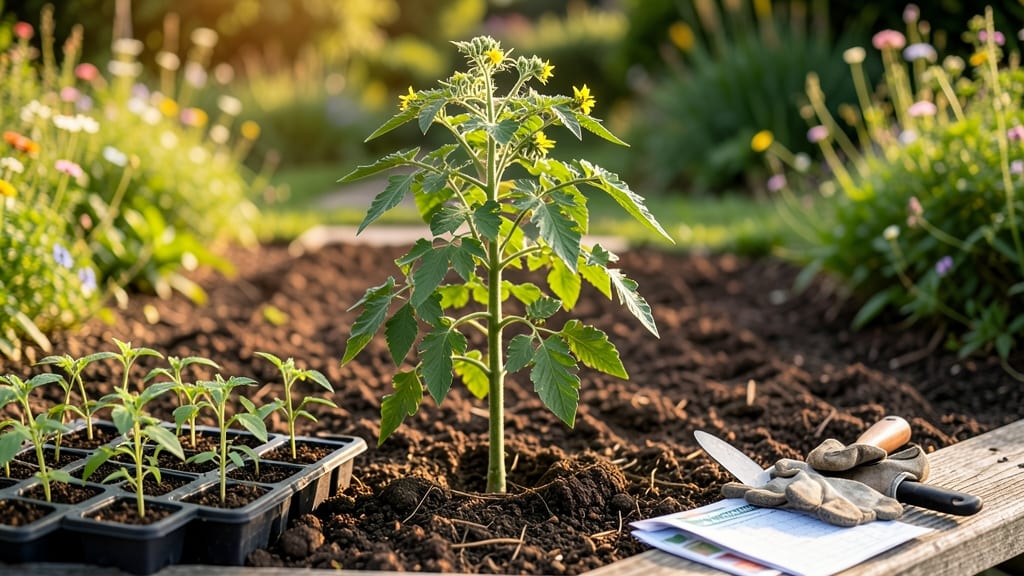
Timing when can I plant tomatoes in Ohio isn't just about the calendar—it's about beating frost, warming soil, and avoiding that dreaded bolt risk that turns your plants into leafy flops instead of fruit machines.
Ohio's USDA Zone 6a climate means your window for planting is tight, with last frost dates creeping in around April 15 but soil often playing catch-up until May 15.
Get it wrong, and you're either staring at wilted seedlings or watching your plants flower too early and never set fruit.
I've cracked the code on when to start seeds indoors versus transplanting outdoors—plus how to use black plastic mulch to give your soil a jumpstart. These tricks let you push your planting window earlier without risking frost damage.
Ready to turn your Ohio garden into a tomato powerhouse? Let's break down the exact timeline, soil temps, and pro tips to ensure your plants thrive from seed to harvest—no guesswork, just guaranteed results.
Ohio’s frost-free dates & soil temperature requirements for tomato planting
Ohio’s frost-free dates vary dramatically from northern to southern regions, making timing critical for tomato success. In USDA Zones 5-7, the average last frost ranges from April 15 in Columbus to May 1 in Cleveland, while southern Ohio (like Cincinnati) often sees frost-free conditions by April 1.
Always verify your local date using NOAA’s frost maps or your county extension office—a single late frost can devastate young tomato plants.
Tomatoes thrive when soil temperatures reach 55-65°F, but they won’t germinate below 60°F. Use a soil thermometer to check depth (2-3 inches) before planting. In cooler Ohio springs, black plastic mulch can raise soil temps by 5-10°F, accelerating growth.
For northern Ohio gardeners, row covers or cold frames can extend the season by 2-3 weeks without risking frost damage.
Here’s how Ohio’s regions differ—and how to adapt:
| Region | Avg. Last Frost | Soil Temp Goal | Planting Window | Pro Tip |
|---|---|---|---|---|
| Northern Ohio (Cleveland, Toledo) | May 1–15 | 60–65°F | May 15–June 1 | Use row covers for 2–3 weeks post-planting |
| Central Ohio (Columbus, Dayton) | April 15–30 | 55–60°F | April 30–May 15 | Plant early varieties like ‘Early Girl’ for faster harvests |
| Southern Ohio (Cincinnati, Lexington) | March 30–April 15 | 55–60°F | April 1–April 15 | Direct-sow heat-tolerant varieties like ‘Celebrity’ |
If you’re unsure about your local frost date, monitor weather forecasts for 3 consecutive nights above 32°F. For urban gardeners, microclimates near buildings or pavement can warm up 1-2 weeks earlier than rural areas. Always plant after the average last frost—rushing leads to stunted growth or frost damage.
For soil preparation, tomatoes prefer well-draining, slightly acidic soil (pH 6.2–6.8). Amend heavy clay soils with compost or peat moss to improve drainage. In Ohio’s humid climate, raise beds can prevent waterlogging and reduce disease risk.
Test your soil in early spring—Ohio State University’s Soil Test Kit is a great resource for DIY gardeners.
One common mistake? Planting too early based on air temperature rather than soil temperature. A 60°F soil with 40°F air at night can still support tomato growth, while the reverse will shock plants. Use a minimum-maximum thermometer to track both metrics for 2 weeks before planting.
Pro tip: Hardening off seedlings (acclimating them to outdoor conditions) for 7–10 days before transplanting reduces shock. Start by exposing them to 2–3 hours of sunlight daily, then gradually increase to full sun. This is especially critical in Ohio’s cool, wet springs, which can stress young plants.
For container growing, ensure pots are at least 12 inches deep and use a fast-draining potting mix. Containers warm up faster than garden beds, so you can plant 1–2 weeks earlier—just move them to a sunny, sheltered spot at night to avoid frost.
Remember: Ohio’s first frost typically arrives by October 15, but late-season varieties like ‘Brandywine’ can produce fruit until November if protected. Use row covers or cold frames to extend harvests and maximize your garden’s potential.
Step-by-step timeline: when to start seeds indoors vs. plant outdoors in Ohio
Ohio’s variable spring weather means your tomato planting timeline must account for both last frost dates and soil warming. For most of Ohio, starting seeds indoors 8-10 weeks before your last frost date (typically mid-February to early March) gives you the best head start.
If you’re transplanting seedlings outdoors, aim to have 6-8 week old plants ready by April 15—but don’t rush! Cold soil (below 55°F) stunts root growth. Use black plastic mulch to warm soil faster if needed.
Here’s my proven Ohio timeline for zero transplant shock:
Start seeds indoors
Use grow lights (14-16 hours/day) and seedling trays. Keep soil 70-75°F for germination.
Hardening off seedlings
Acclimate plants to outdoor temps over 7-10 days. Start with 2-3 hours/day in shade.
Transplant outdoors
Plant deeply (up to first true leaves) in well-draining soil with compost. Use cage or stakes for support.
Fruiting stage
Monitor for blossom end rot (calcium deficiency). Mulch with straw to retain moisture.
For urban gardeners or those with limited space, consider biodegradable pots to reduce transplant shock. These break down in soil, preserving roots during transfer.
Pro tip: If your spring runs cooler than average, delay planting until soil hits 60°F—even if it means waiting until May 15. A few extra weeks of warmth beat stunted growth every time.
🌱